NEW YORK, May 20, 2026 (WAFA) - Human Rights Watch said that the humanitarian infrastructure sustaining life in Gaza remains in peril over six months after the ceasefire agreement in October 2025.
Human Rights Watch noted that as the Board of Peace prepares to brief the United Nations Security Council on May 21 on its newly issued six-month progress report, Israeli authorities are undermining humanitarian lifelines.
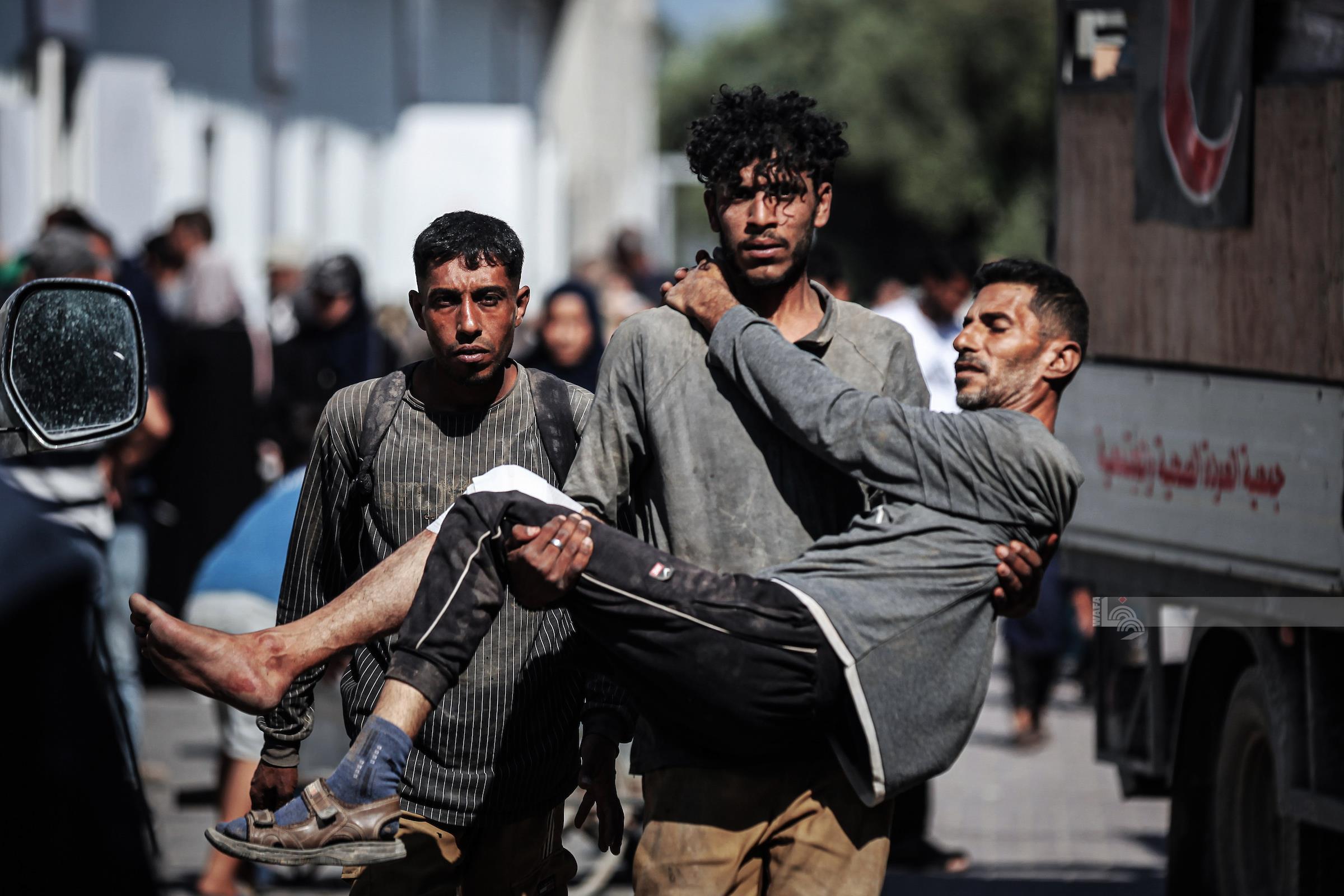
The organization pointed out that continuing Israeli attacks have killed at least 856 Palestinians and wounded 2,463 others, according to the Gaza Health Ministry.
Human Rights Watch explained that the Board of Peace, authorized under UN Security Council Resolution 2803, is tasked with assessing parties’ compliance with the Comprehensive Plan to End the Gaza Conflict. It stressed that rapidly expanding and safeguarding aid is central to the plan, alongside restoring essential civilian infrastructure. The organization added that aid volumes remain far below required levels and critical humanitarian access routes have been repeatedly obstructed, according to the UN Office for the Coordination of Humanitarian Affairs (OCHA).
“The plan was supposed to bring relief. Instead, Palestinians in Gaza are still hungry, still cannot reach medical care, and civilians are still being killed,” said Adam Coogle. “Whatever the Board of Peace tells the Security Council, that is what life looks like six months in.”
Human Rights Watch reported that as of February 5, none of Gaza’s 37 hospitals were fully operational, and only 19 were even partially functioning, according to OCHA. It added that over 43,000 people have suffered life-changing injuries, one in four of them children, and more than 50,000 need long-term rehabilitation care, the World Health Organization (WHO) estimates.
The organization stated that no rehabilitation facility is fully running. It further noted that Israeli delays in approving specialized surgical equipment are limiting complex care, and at least 46 percent of essential medicines are out of stock, according to WHO.
Human Rights Watch warned that Israeli restrictions on bringing in generators, engine oil, and spare parts are causing breakdowns across health care, sanitation, debris removal, and humanitarian work, according to OCHA.
The organization also reported that rodents and insects are spreading across displacement camps, and skin infections and other diseases are on the rise, according to OCHA. It added that UN agencies and aid groups working on water and sanitation warn that severe shortages of lubricant oil and spare parts are causing generators to fail. Human Rights Watch noted that in Khan Younis, sewage pumping stations have stopped working and untreated waste is flooding residential streets. The organization added that across Gaza, more than 200 water and sanitation facilities have been running on backup generators for over two and a half years, most now on recycled oil.
T.R.