Israel’s manufactured malnutrition crisis in Gaza had devastating impacts on pregnant women and their newborns
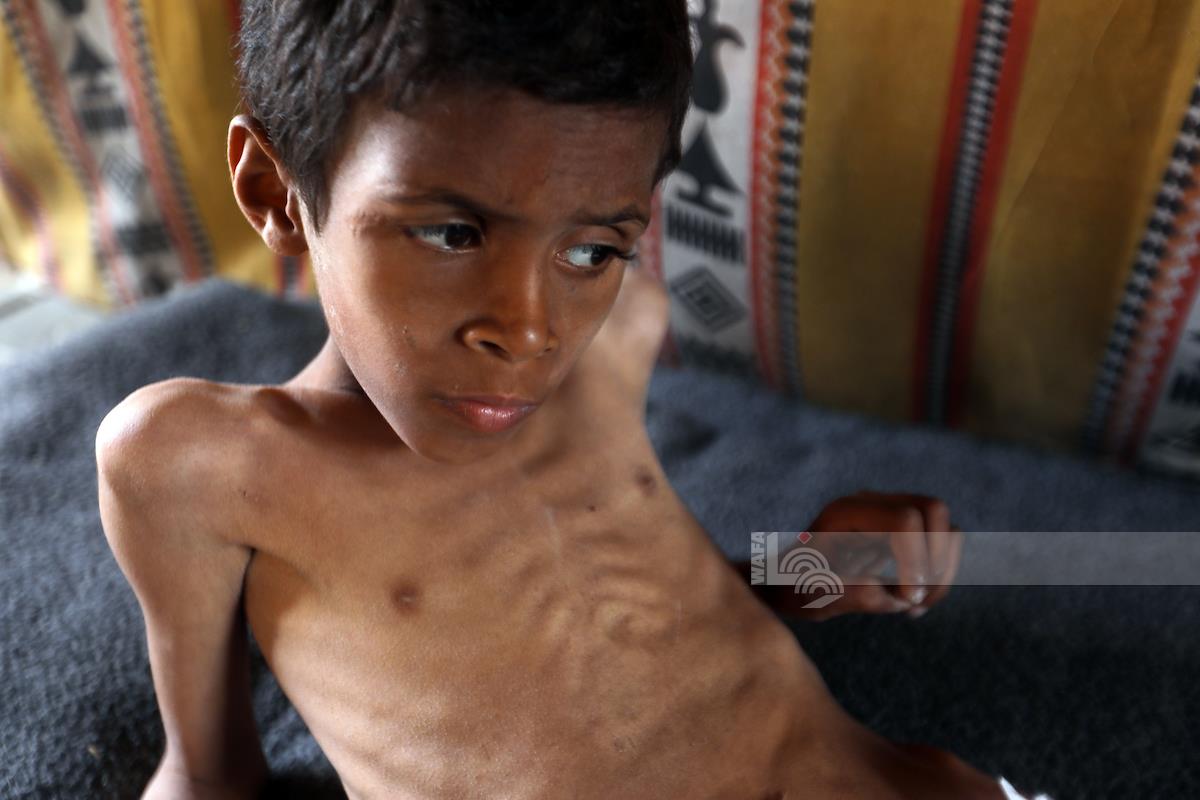
RAMALLAH, May 7, 2026 (WAFA) – Israel’s manufactured malnutrition crisis in Gaza had a devastating impact on pregnant and breastfeeding women, newborns, and infants under 6 months old during periods of intense hostilities and siege such as mid-2025, according to an analysis of medical data released today by Médecins Sans Frontières / Doctors Without Borders (MSF).
At four MSF run and supported health facilities between late 2024 and early 2026, MSF teams recorded higher levels of prematurity and mortality among infants born to mothers affected by malnutrition during their pregnancy, high levels of miscarriage, and observed sharp increases in treatment defaulting among malnourished children.
MSF links these outcomes to Israel’s blockade of essential goods and attacks on civilian infrastructure, including medical facilities. Insecurity, displacement, restrictions on aid, and limited access to food and medical care have had devastating consequences for maternal and newborn health. MSF warns that the situation remains extremely fragile despite the so-called ceasefire and urges Israeli authorities to immediately allow the unhindered entry of vital assistance and supplies.
Devastating impacts of malnutrition during pregnancy:
“The malnutrition crisis is entirely manufactured,” says Mercè Rocaspana, MSF medical referent for emergencies. "Before the war malnutrition in Gaza was almost non-existent. For 2.5 years, the systematic blockade to humanitarian aid and commercial goods on top of insecurity have severely restricted access to food and clean water. Health care facilities have been forced out of service and living conditions have profoundly deteriorated. As a result, vulnerable groups of people are placed at heightened risk of malnutrition.”
MSF analyzed data collected from 201 mothers of newborns receiving treatment in the neonatal intensive care units (NICUs) at Al Nasser and Al Helou hospitals, in Khan Younis and Gaza City, between June 2025 and January 2026. More than half of the women were affected by malnutrition* at some point during their pregnancy, and 25 percent were still malnourished during delivery.
Ninety percent of the babies born to mothers affected by malnutrition were born prematurely and 84 percent had low birth weight — a much higher incidence than in babies born to mothers with no malnutrition when giving birth. Neonatal mortality was twice as high among infants born to mothers affected by malnutrition compared with those born to mothers without malnutrition.
Displacement and insecurity prevent treatment:
Between October 2024 and December 2025 MSF teams admitted 513 infants under six months into outpatient therapeutic feeding programs at Al Mawasi and Al Attar primary health care facilities in Khan Younis. Of those admitted, 91 percent were at risk of poor growth and development. By December, 200 infants were no longer in the program — only 48 percent of those were cured, 7 percent died, 7 percent were referred to a program for older children, and a staggering 32 percent defaulted, primarily related to insecurity and displacement.
“Reduced admissions in late July and early August 2025 coincided with a period of intensified insecurity and disruptions to food distributions,” says Marina Pomares, medical coordinator for Palestine. “Most mothers requested nutrition support even when children were not yet identified with malnutrition, reflecting widespread food insecurity from Israel’s imposed blockade, which effectively prevented food from entering Gaza for months. Families adopted coping mechanisms, often prioritizing men and children over mothers when distributing limited food.”
A manufactured malnutrition crisis:
Prior to the war, there were no dedicated therapeutic feeding units. MSF teams identified the first cases of child malnutrition in January 2024. Between then and March 2026, MSF admitted 4,950 children under 15 years old — 98 percent under 5 — for acute malnutrition in ambulatory and inpatient programs. During the same period 3,482 pregnant and breastfeeding women were enrolled in ambulatory programs.
“My youngest son died at five months due to severe malnutrition,” says Mona, a 23-year-old woman treated by MSF. “I suffered malnutrition myself during pregnancy and dealt with diarrhea and weakness. I live in a partially destroyed house. My husband used to be a fisherman with a small boat, which the Israeli shelling destroyed. We have no steady income.”
The January 2025 ceasefire ended in mid-March 2025. By late May 2025, food distribution points reduced from around 400 to just four under the Gaza Humanitarian Foundation (GHF). On top of this, the blockade on commercial food trucks drastically limited access to food. “The [food distribution] points were militarized and deadly, barely functioning, or open at the same time, further restricting access to much needed food assistance,” says José Mas, head of the MSF emergency unit.
In the months following, MSF-supported facilities experienced a sharp increase in patients seeking care due to violence perpetrated at food distribution points and malnutrition linked to the deprivation of food. Many women also reported experiencing extreme stress and anxiety related to the significant risks faced by male family members attempting to secure food at GHF sites and intense aerial bombardments and resulting displacement. MSF teams observed a high number of miscarriages during this period, with high stress identified as a contributing factor.
Unprecedented levels of malnutrition declared:
Between 16 October and 30 November 2025, around three quarters of the population in Gaza were estimated to be facing high levels of acute food insecurity, according to the Integrated Food Security Phase Classification (IPC), who had declared a famine in August — the first ever in the Middle East region.
“Israel’s tactical restrictions on the entry of food, the militarization of aid corridors and distribution sites, and the targeted attacks on Gaza’s essential infrastructure have created an environment in which hunger is deliberately used as a means of control over the population,” says José Mas, MSF head of emergencies. “While the current so-called ceasefire has seen some stability in the situation, it is still extremely fragile. Our teams continue to admit new patients for malnutrition as the people of Gaza are forced to endure deliberate undignified living conditions, and lack access to assistance, income, and basic resources. MSF calls on Israeli authorities, as an occupying power, – and allied states including the US - to facilitate adequate and sustained entry of vital assistance for people living in Gaza to restore respectable levels of health, nutrition, and dignity.”
Malnutrition in pregnant and breastfeeding people and infants under 6 months old is generally classified as undernutrition, rather than moderate or severe acute malnutrition. Patients have a ‘poor nutritional status’ or are ‘nutritionally at risk’.
Y.S