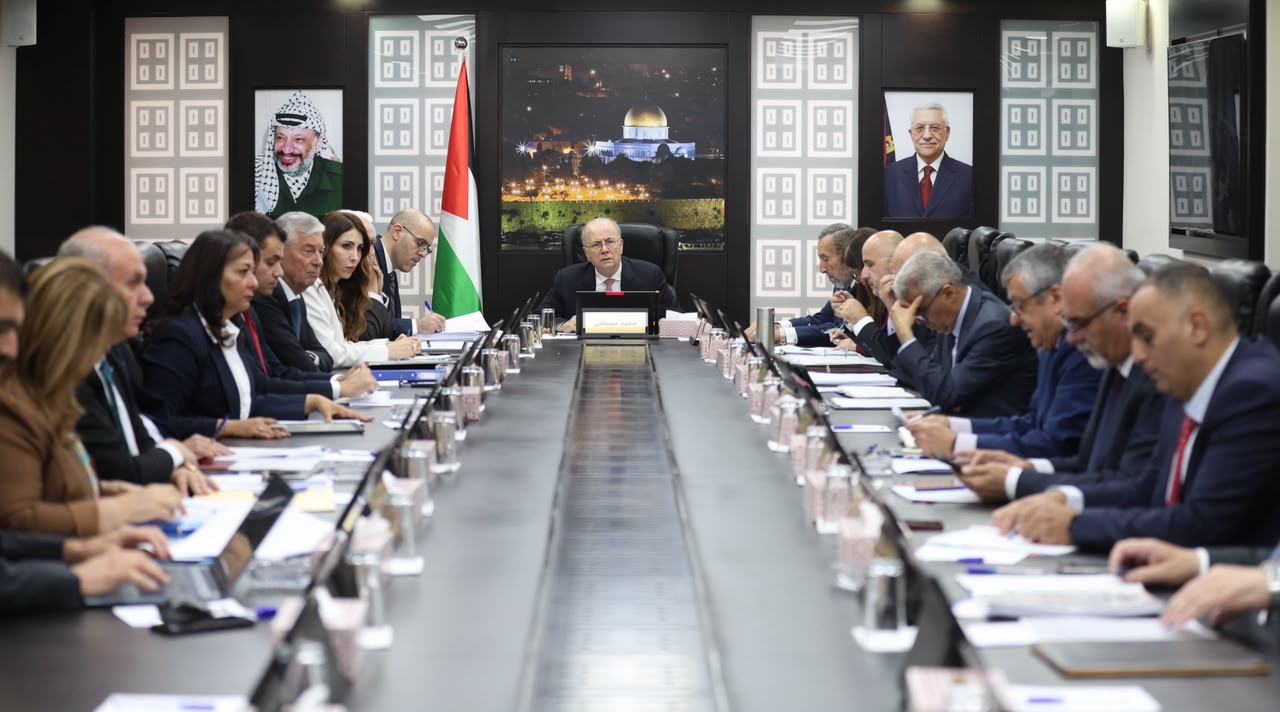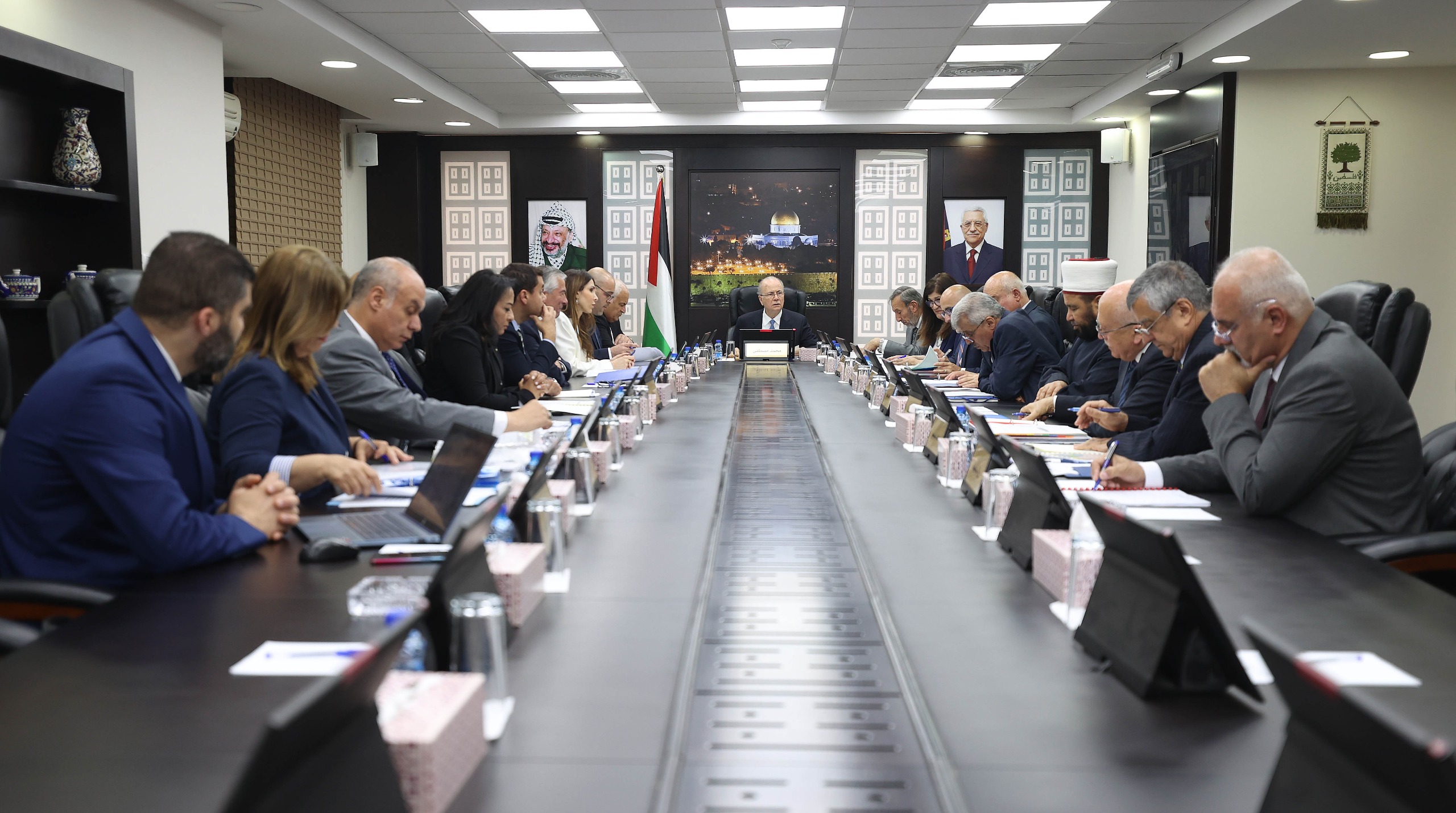
RAMALLAH, Tuesday 9, 2026 (WAFA) – The Palestinian Cabinet on Tuesday urged international actors to urgently act on Israel’s violations of the Gaza ceasefire agreement.
During its weekly session held in Ramallah, the Cabinet condemned the continued massacres committed by the Israeli occupation against displaced people in the Gaza Strip, including the attack that killed six citizens and injured dozens in Gaza City's Al-Rimal neighborhood, stressing that targeting displacement centers and civilians constitutes a war crime and a blatant violation of the ceasefire agreement brokered by major international actors.
It called on the international community and the guarantor states of the agreement to take urgent action to halt the aggression and ensure the entry of medicines and humanitarian assistance into the Gaza Strip.
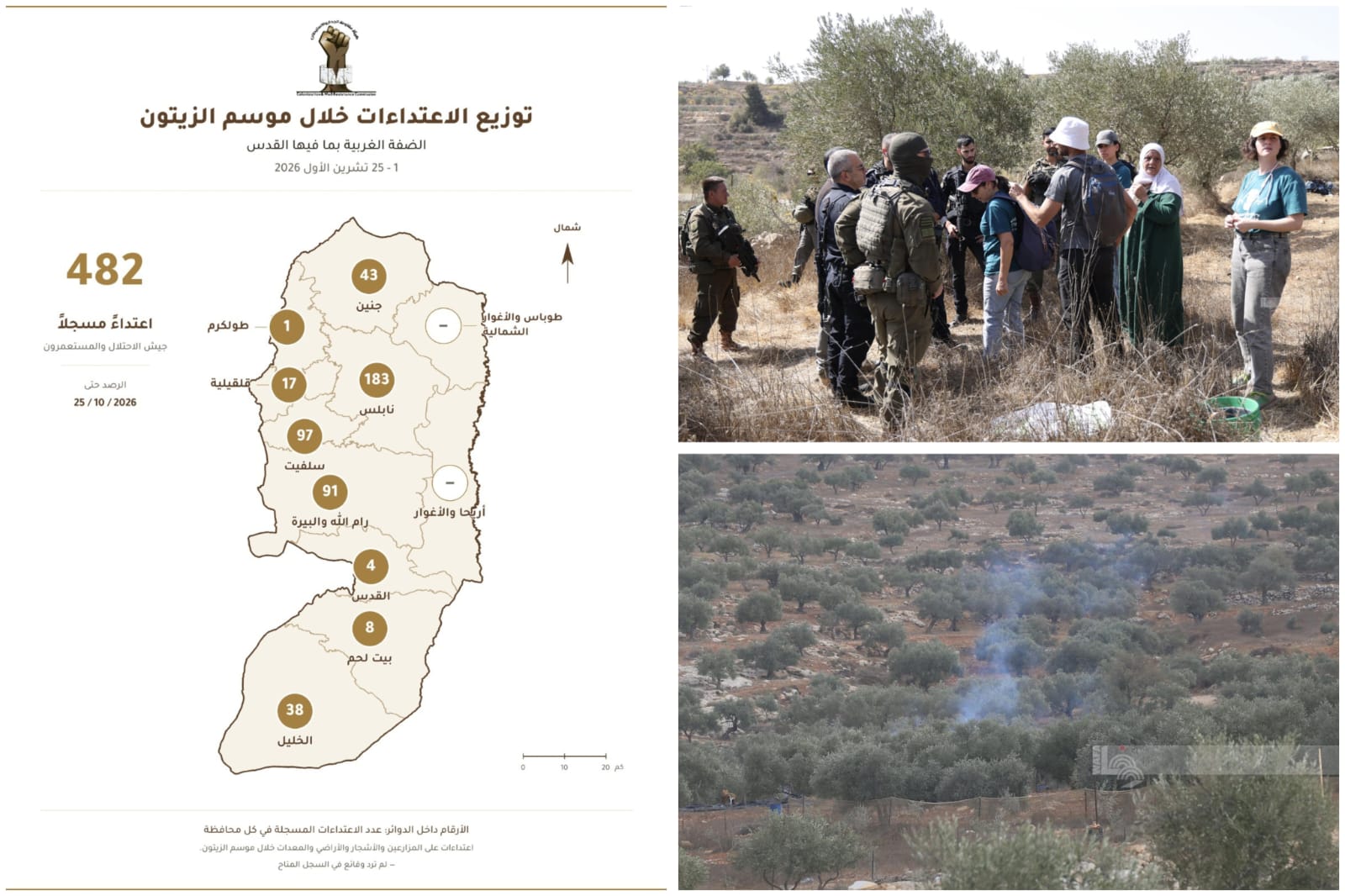
The Cabinet held the Israeli occupation government fully responsible for the escalating terrorism perpetrated by colonial settler militias. Last week alone, 82 settler terror attacks were recorded targeting 13 Palestinian villages, resulting in injuries to 31 citizens, including 11 children. These attacks included arson, property destruction, and the establishment of several new colonial settlement installations (outposts).
In addition, Israeli occupation authorities issued over 23 demolition notices targeting Palestinian structures across various governorates, while carrying out four demolition operations against eight Palestinian facilities. More than 645 dunums of Palestinian land in Jenin, Bethlehem, and Tubas were also confiscated under various pretexts.
The Cabinet called for accountability for these crimes and renewed its demand for international protection for the Palestinian people.
During the session, Prime Minister Mohammad Mustafa briefed Cabinet members on progress in implementing the Government's renewable energy transition strategy and infrastructure development projects. He highlighted preparations for launching a major solar energy project in Ramallah and Al-Bireh Governorate in cooperation with the Islamic Development Bank, with financing approaching $37 million through a combination of grants and concessional loans.
The project forms part of the Government's efforts to increase the share of renewable energy to 30 percent by 2030 and will be followed by similar projects in the northern and southern West Bank.
On another note, the Cabinet approved the recommendations of the special committee reviewing government building needs as part of ongoing efforts to reduce public expenditure. The recommendations include arrangements related to government facilities in Jerusalem and schools through rental and lease-replacement measures aimed at accommodating increasing student enrollment, improving learning environments, and addressing the difficult fiscal conditions facing the public budget.
The Cabinet also approved the replacement of outdated control systems at electricity substations in Jenin, Nablus, Ramallah, and Tarqumiya with modern units, contributing to improved fault management and enhanced electricity network efficiency.
As part of the Government's broader reform agenda to strengthen governance, safeguard public funds, and improve state asset management, the Cabinet approved a draft regulation governing the allocation and utilization of state-owned land. The regulation establishes a transparent framework for managing public land and enabling individuals and institutions to utilize it for economic and development projects in accordance with clear legal conditions and safeguards that serve the public interest.
The Cabinet further discussed in first reading a draft decree-law regulating the Unified Emergency Response Center (911), aimed at enhancing emergency response capabilities, improving coordination among relevant authorities, increasing operational efficiency, and better protecting citizens' lives.
The Cabinet also adopted the Executive Program of the Memorandum of Understanding on Islamic Cooperation between the Ministry of Endowments and Islamic Affairs of the Kingdom of Morocco and the Ministry of Awqaf and Religious Affairs of the State of Palestine for the period 2026–2028. The program includes cooperation in waqf administration systems, religious education, specialized training programs, and expanded opportunities for scholarships in Islamic and jurisprudential studies.
Finally, the Cabinet declared Tuesday, 16 June 2026, an official public holiday on the occasion of the Islamic New Year 1448 AH.
K.F.