Eighty-five solar power plants licensed with a combined capacity of 126 MW, serving approximately 40,000 households
More than 10 solar projects will start generating electricity under the "Shamsi Palestine" project
More than 800 schools and dozens of hospitals supplied with solar energy systems
Tulkarm's chronic electricity crisis resolved by adding a third 10 MW supply line
Implementation begins on the "Green Corridor" to transmit surplus electricity from solar power plants in Tubas to Nablus
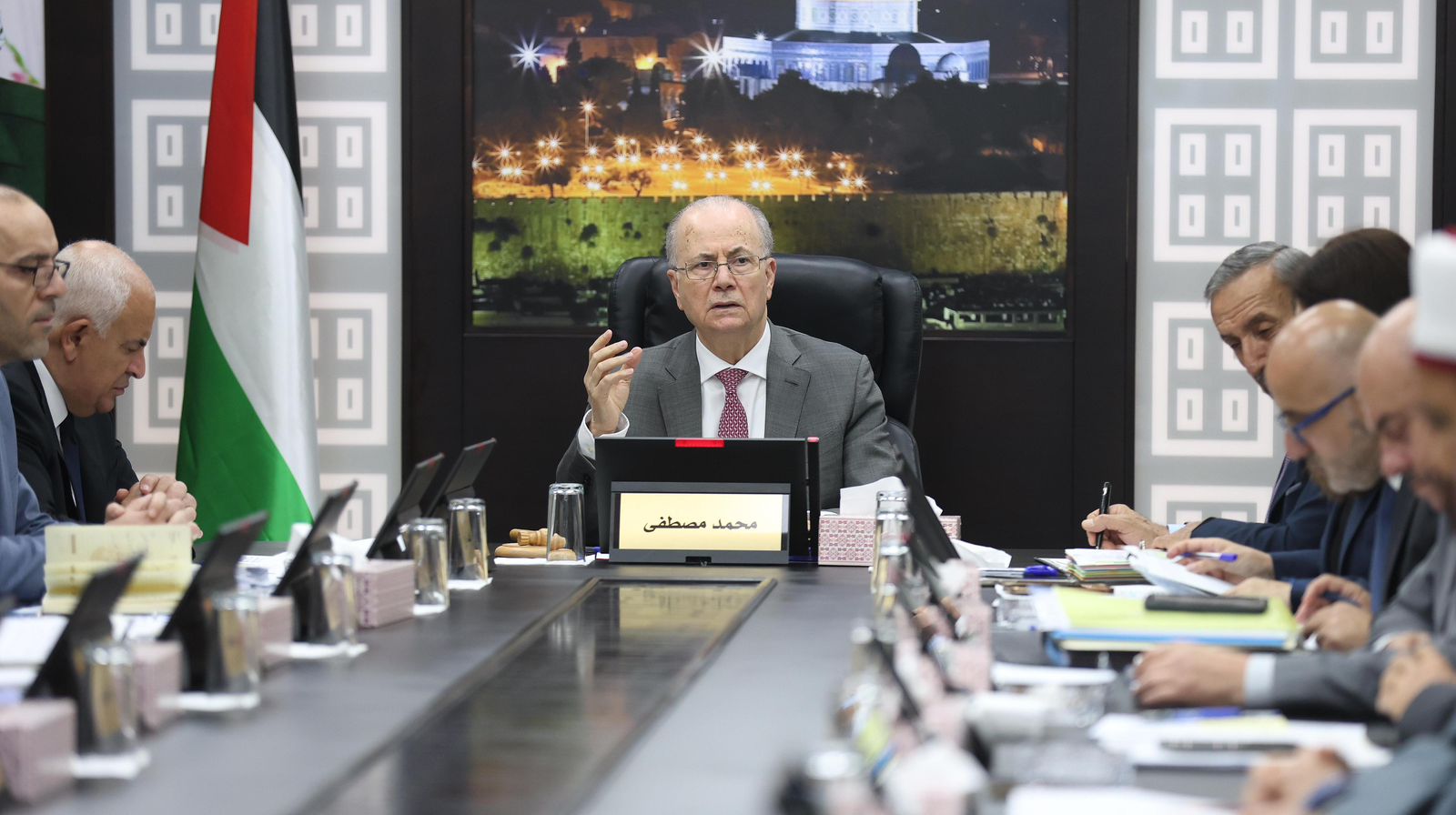
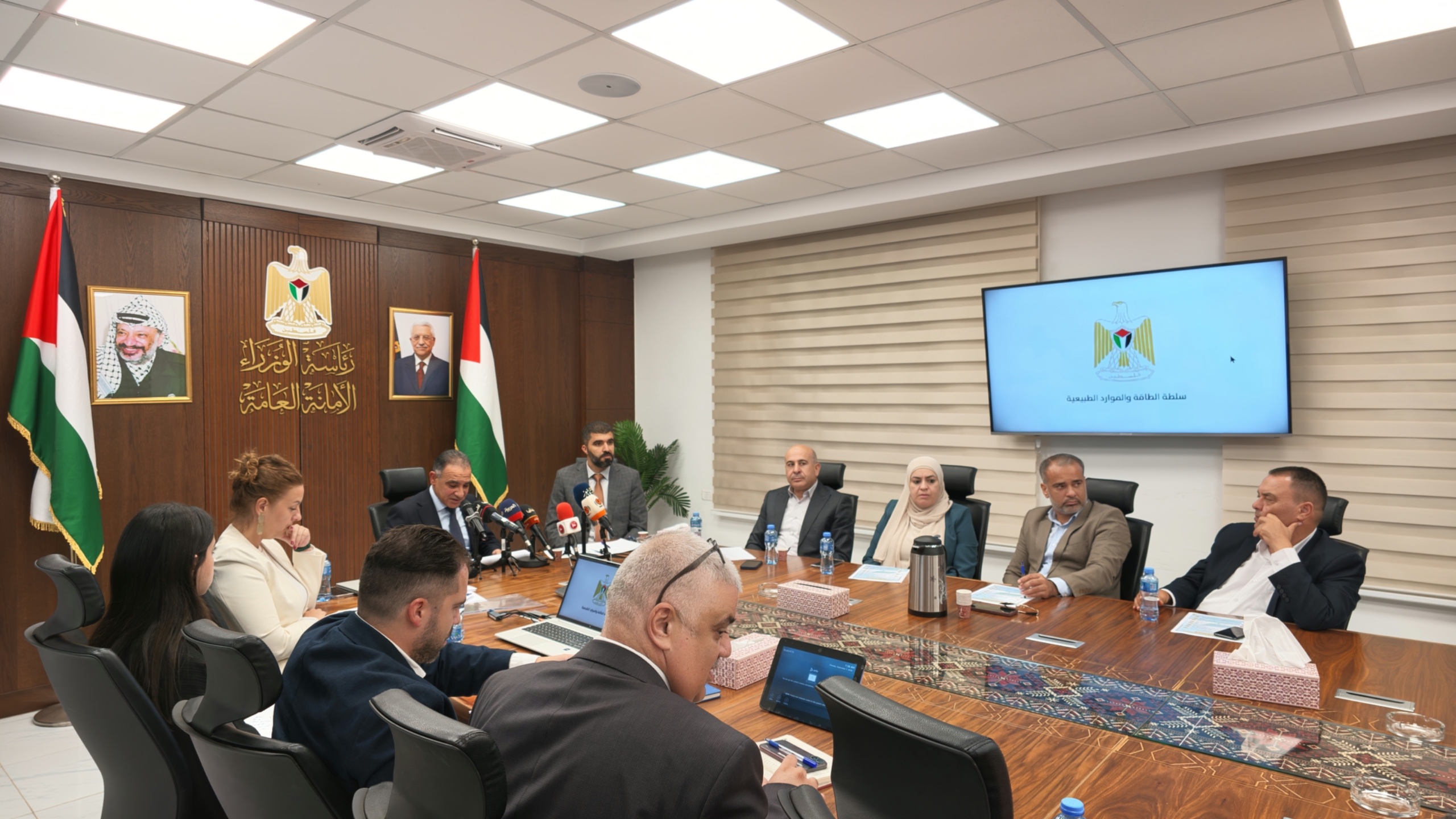
RAMALLAH, September 7, 2026 (WAFA) – Under the Energy Security Plan (2025-2027), the Palestinian Energy and Natural Resources Authority (PENRA) implemented a package of measures to boost local energy production, develop electricity infrastructure, prepare for the reconstruction of Gaza's electricity sector, and advance institutional and legislative reforms aimed at improving sector efficiency and strengthening energy security and independence.
The plan aims to increase the share of renewable energy sources to approximately 30% of the Palestinian energy mix by 2030, thereby reducing dependence on external energy sources and enhancing the sustainability and security of energy supplies.
First: Enhancing Local Energy Production
According to a report issued by the Government Communication Center based on PENRA data, 85 solar power plants with a combined capacity of 126 MW have been licensed, serving approximately 40,000 households. Most are equipped with energy storage systems.
PENRA also launched the first phase of the "Shamsi Palestine" program, enabling 10 municipalities — Al-Dhahiriya, Bani Na'im, Abda and Imreish, Bani Zaid al-Gharbiya, Qaryut, Jama'in, Kafr Zibad, Madama, Asira al-Shamaliya, and Ya'bad — to establish and own solar power plants with sufficient combined capacity to meet the needs of approximately 3,500 households. The program aims to involve 80 municipalities by 2030.
PENRA is also preparing to establish a 20 MW solar power plant in Rammun and Deir Dibwan, with 55 MWh of storage capacity, to meet the needs of approximately 6,300 households and facilities. In addition, it launched a revolving fund to support solar energy projects for households and small and medium-sized enterprises, benefiting 250 entities to date.
PENRA also launched the Large-Scale Solar Program (LSAPS), a support and payment systems program for competitive investment in solar energy, with a capacity of approximately 20 MW and energy storage systems, sufficient to serve more than 6,300 households.
In the education and health sectors, PENRA began equipping 80 additional schools with solar energy systems, supplementing the more than 800 schools already powered by clean energy. Six hospitals have also been equipped with solar energy systems, while work is underway to provide 13 government hospitals and 23 clinics with solar energy and storage systems.
PENRA also supported the Tubas District Electricity Company and Tulkarm Municipality by financing the installation of large-scale battery energy storage systems with a combined capacity of 35 MWh, sufficient to meet the needs of more than 6,000 households and facilities.
The chronic electricity crisis in Tulkarm Governorate, which had persisted since 2013, was also resolved by adding a third electricity supply line with a capacity of approximately 10 MW. This increased the governorate's available capacity to approximately 50 MW, strengthening grid stability and reducing power outages.
Second: Developing Electricity Infrastructure
To complement efforts to enhance local energy production, PENRA worked to develop electricity infrastructure in line with the expansion of renewable energy projects and to increase the grid's capacity to absorb and distribute their output.
Approximately 60% of solar energy projects were implemented during the past two years under the 19th Government. PENRA has also begun constructing an electricity transmission line between Tubas and Nablus to improve grid efficiency and distribute surplus generation from solar energy projects.
Five main substations were also designed in Atara, Jericho, Al-Za'im, Tulkarm, and Hebron, alongside the expansion and rehabilitation of medium-voltage networks in several governorates.
PENRA supplied electricity distribution companies with 146,000 smart meters to help reduce losses and regulate consumption. It is also continuing to develop the 265 MW Jenin Power Plant project, which, once implemented, will provide approximately 25% of the West Bank's electricity needs.
PENRA is also working to expand the electricity interconnection with Jordan to 160 MW and complete studies for a 400 kV interconnection. In parallel, the National Plan for Enhancing Power System Resilience was adopted, providing for the construction of new 33 kV transmission corridors and increased energy storage capacity.
Third: Readiness to Reconstruct Gaza's Electricity Sector
PENRA prepared technical plans for the prioritized reconstruction of Gaza's electricity sector. It also procured electrical equipment valued at USD 29 million in preparation for restoring power to vital facilities in the Gaza Strip as soon as the equipment can be brought in.
PENRA is also working to mobilize international financing and grants to support renewable energy projects and modernize electricity networks.
Fourth: Institutional and Legislative Reform
The 19th Government worked to settle electricity debts with five distribution companies and 162 local authorities and developed a new electricity tariff methodology based on the cost of service. It also prepared a draft unified energy law covering electricity, renewable energy, energy efficiency, and hydrocarbons.
The net-billing system for connecting solar energy projects was also updated, and a comprehensive institutional review of electricity-sector bodies was launched.
The government also adopted three principal plans within the strategic framework for 2025-2030: the National Energy Strategy (2025-2027), the Renewable Energy Plan (2025-2030), and the Energy Consumption Rationalization Plan (2025-2030).
M.N