By Muhannad Jaddou
RAMALLAH, March 30, 2026 (WAFA) – Amid the ongoing war with Iran, Jerusalem is witnessing a critical phase in which Israel is attempting to impose new facts on the ground that affect the very essence of the city’s religious and historical identity. This goes beyond temporary security concerns, aiming instead at deep and lasting changes to its political and demographic reality.
Although the intense military confrontations between regional and international powers are occurring geographically outside Palestinian territories, their political and security repercussions have directly affected the West Bank, including Jerusalem, turning the city into an open arena for reshaping its features under the cover of regional transformations.
While the world is preoccupied with monitoring these developments, Israeli authorities have exploited the “state of emergency” to accelerate the imposition of new facts on the ground. Jerusalem is now experiencing one of the most intense phases of a “silent war,” affecting its demographic presence and civilizational identity.
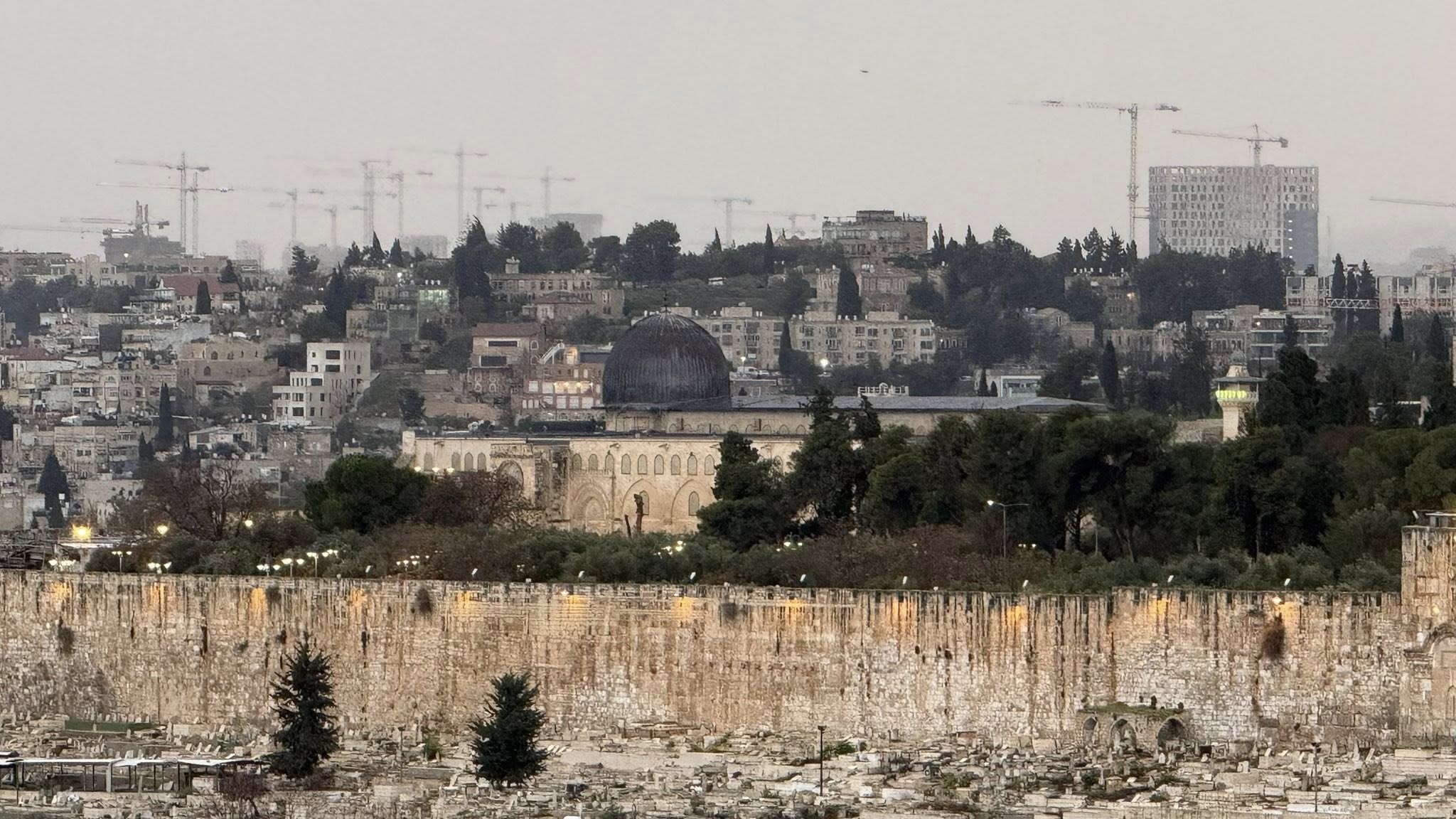
In this context, a series of unprecedented measures have emerged in the Al-Aqsa Mosque, including its continued closure to worshippers for over 30 days, the closure of the Church of the Holy Sepulchre during the Lenten period preceding Easter, and strict restrictions on Muslims and Christians entering, while settlers have received clear facilitation to continue performing their rituals inside its courtyards.
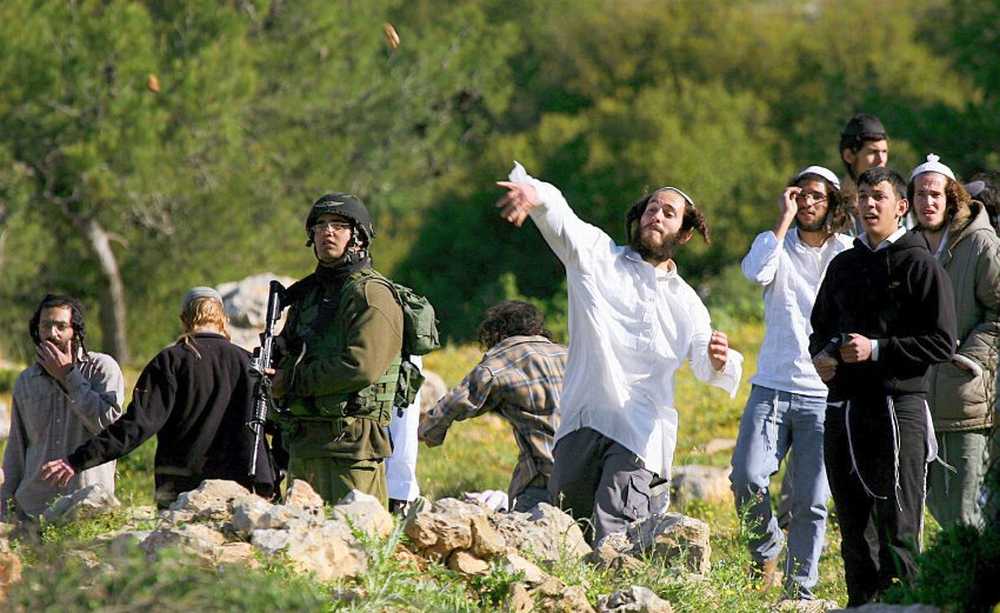
Recently, there has been a dangerous escalation, including attempts to bring animal sacrifices into Al-Aqsa Mosque, as settler groups seek to impose new religious rituals that undermine its Islamic identity. This marks a shift from mere incursions to trying to establish a parallel religious reality within the sacred precinct, effectively paving the way for changing the status quo.
These measures have not been limited to Islamic holy sites; they have extended to Christian sites. In a serious precedent, Israeli authorities prevented the Latin Patriarch of Jerusalem, Cardinal Pierbattista Pizzaballa, accompanied by the Custodian of the Holy Land, Father Francesco Patton, from entering the Church of the Holy Sepulchre to celebrate Palm Sunday according to the Western calendar.
This occurred despite prior coordination and in the absence of any public gathering, prompting widespread international condemnation as a violation of the historical and legal status of holy sites in Jerusalem.
The Palestinian Presidency described the closure of Islamic and Christian holy sites by Israeli authorities as a serious violation of the historical and legal status quo, warning against exploiting regional escalation to target religious sites in occupied Jerusalem.
The Jordanian Ministry of Foreign Affairs and Expatriates considered these measures a blatant breach of international law and international humanitarian law, a violation of the status quo, and an infringement on unrestricted access to places of worship. It called on the international community to assume its legal and moral responsibilities and to pressure Israel to stop its violations against Islamic and Christian holy sites in Jerusalem.
In the same context, Canadian Prime Minister Mark Carney stated that preventing the Patriarch of Jerusalem from entering the Church of the Holy Sepulchre constitutes a violation of the status quo of holy sites, emphasizing the need to allow followers of all religions to freely practice their rituals without fear.
French President Emmanuel Macron also viewed the prevention of Christians in the Holy Land from holding Palm Sunday Mass in the Church of the Holy Sepulchre as part of a worrying increase in violations targeting the status quo of Jerusalem’s holy sites.
Italian Prime Minister Giorgia Meloni condemned it as an “insult to believers,” referring to the prevention of the Latin Patriarch from performing the Mass. In a notable diplomatic move, Italian Foreign Minister Antonio Tajani summoned the Israeli ambassador in Rome to protest the decision and request clarification.
The General Secretariat of the Organization of Islamic Cooperation (OIC) described Israeli violations of holy sites as an encroachment on the legal and historical status quo, warning against this escalation and urging the international community to take practical measures to pressure Israeli authorities to stop these violations and preserve the status quo of Islamic and Christian holy sites.
At the same time, measures aimed at changing Jerusalem’s demographic reality are accelerating, including intensified forced evictions, expulsion of residents, and compelling them to demolish their own homes, especially in areas like Silwan and Qalandiya, where hundreds of families face imminent displacement.
These policies are accompanied by strict administrative and legislative measures, including revocation of IDs, complicated residency and family reunification conditions, as part of a policy aimed at reducing the Palestinian presence in the city and reinforcing its colonial character.
Israeli colonial expansion continues, particularly around the Old City, strengthening the colonial ring and consolidating Israeli control over its vital sectors.
Economically, strict siege measures have directly affected daily life in Jerusalem, leading to economic paralysis and market stagnation due to a decline in religious tourism and visitor activity. Around 1,400 traders in the Old City face the risk of shutting down their businesses.
The education sector has also been affected, with 51 schools under the Islamic Waqf facing restrictions on renovation and development, and being deprived of distance learning due to weak infrastructure and the occupation preventing the import of educational devices and platforms, widening the educational gap and threatening students’ future.
These accumulating developments over the years indicate a gradual trajectory: reducing the role of the Islamic Waqf, imposing strict control and siege on Al-Aqsa Mosque entrances, allowing increasing incursions by extremist Jewish groups, accompanied by Talmudic-style rituals such as “epic prostrations,” bringing Torah scrolls, and introducing plant-based offerings into the mosque courtyards, culminating in closing holy sites to Muslims and Christians during their sacred times.
These rapid developments, under the cover of regional confrontations, reflect a clear trend by Israeli authorities toward comprehensive control over the management of holy sites, undermining freedom of worship, directly affecting the historical and legal status quo in Jerusalem, and signaling a shift from partial targeting to comprehensive targeting of the Palestinian presence, exploiting the regional moment to impose irreversible changes.
The historical and legal status quo in Jerusalem is a historical legal framework regulating the management of holy sites and guaranteeing freedom of worship. At its core, it maintains the management of Al-Aqsa Mosque and other Islamic holy sites under the Islamic Waqf, ensuring Muslims' right to pray there without restrictions, and organizing non-Muslim visits without performing religious rituals inside the sanctuary. It also includes respecting Christian holy sites and guaranteeing their followers’ access and free practice of religious rites.
This framework is based on international humanitarian law, particularly regarding the protection of places of worship in occupied territories, prohibiting any changes that affect their religious character or legal status, preserving the city’s religious and historical balance, and safeguarding its diverse identity.
M.N