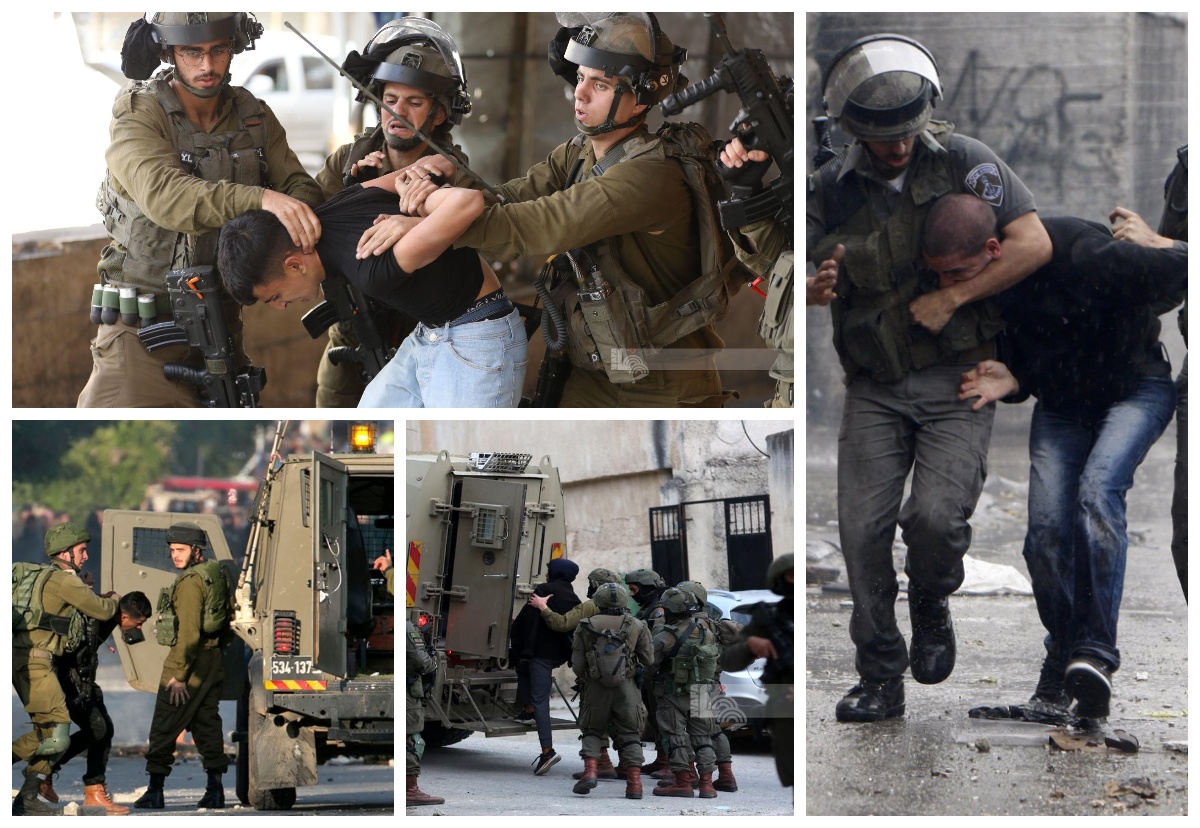
RAMALLAH, October 10, 2026 (WAFA) — Palestinian prisoner institutions called for the repeal of the law imposing the death penalty on Palestinian prisoners, the immediate and unconditional release of all male and female prisoners, and independent international investigations into crimes of torture, medical neglect and killings inside Israeli prisons and detention centers.
In a statement issued on the occasion of the World Day Against the Death Penalty, the institutions said Palestinian prisoners were enduring the most brutal phase of systematic killing and elimination in Israeli prisons and detention facilities since the beginning of the genocidal war. They noted that these facilities had become major sites for the infliction of physical and psychological torture.
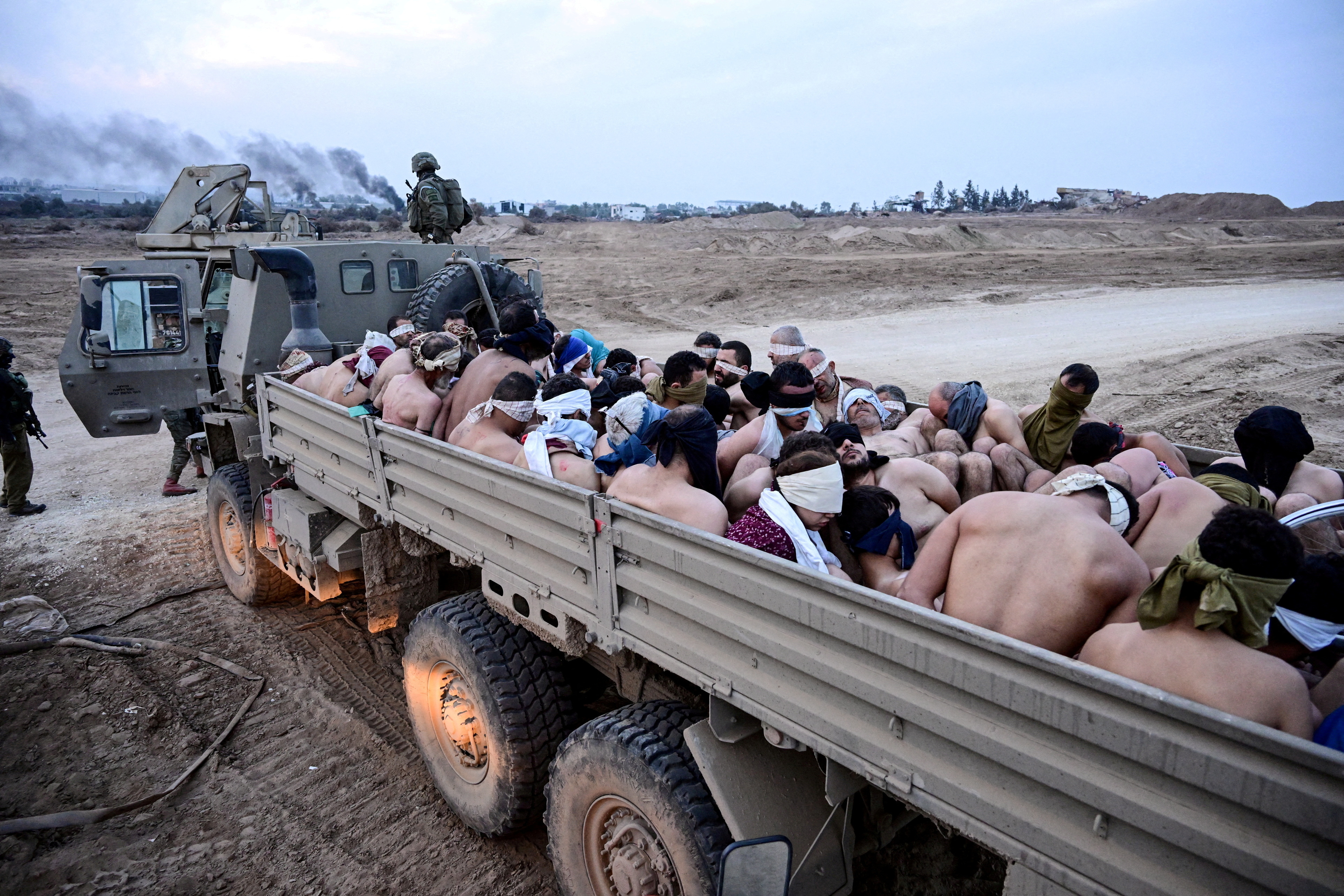
The institutions added that the death penalty within Israel’s legal system was no longer merely a matter of legislative provisions or postponed draft bills. Rather, they said, it had become part of the daily practices inflicted on prisoners through slow-killing policies and direct and indirect liquidation, accompanied by torture, systematic starvation, denial of medical treatment and healthcare, isolation from the outside world, degrading treatment and extrajudicial executions.
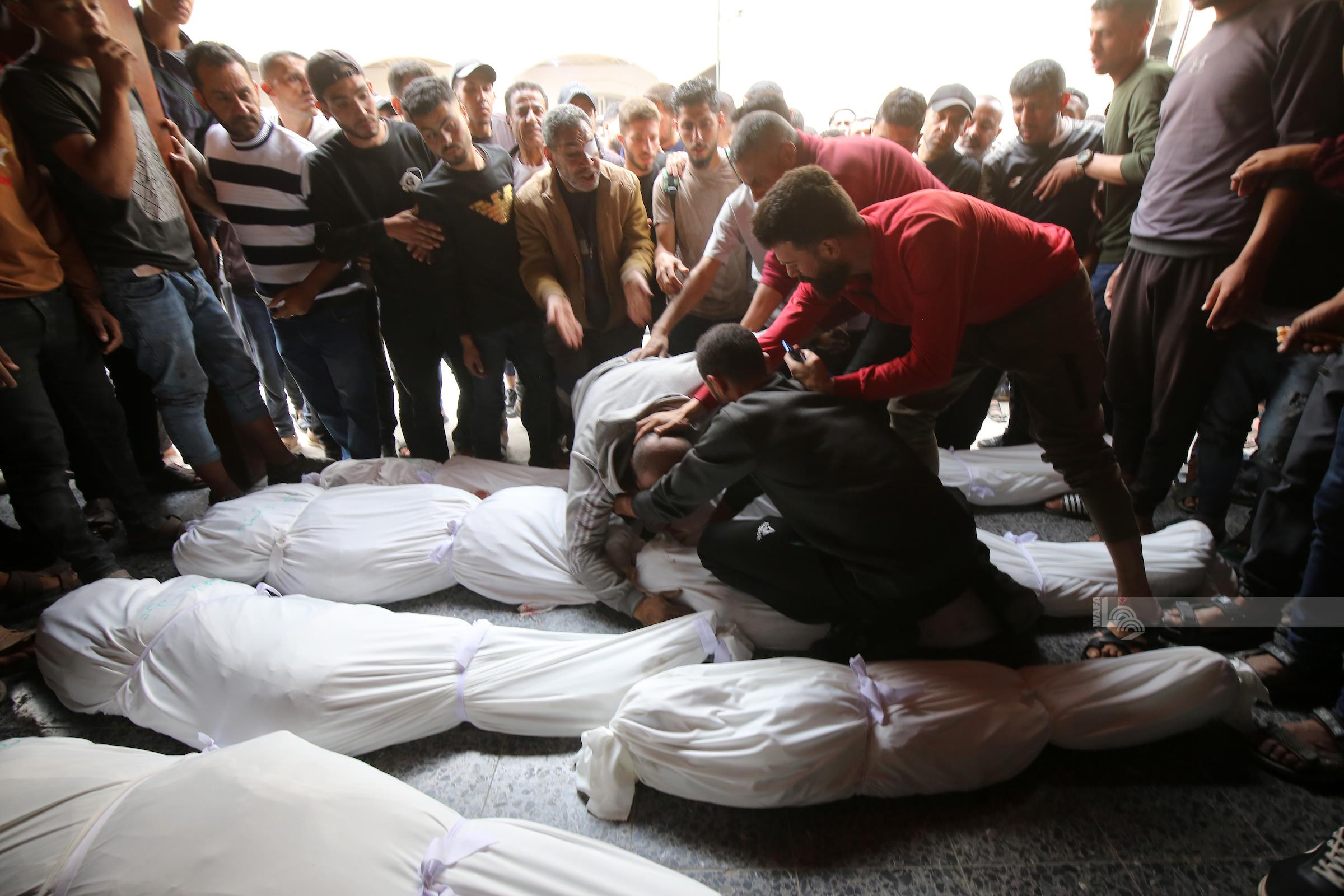
They said these conditions had led to the deaths of at least 92 identified Palestinian prisoners and detainees since October 2023, describing the period as the deadliest in the history of the Palestinian prisoners’ movement. They also cited a large number of detainees from the Gaza Strip who, they said, had been executed in the field or died under torture in prisons and military camps, without their identities being disclosed.
Regarding detainees from Gaza, and as a further escalation of this exceptional system, the Israeli Knesset approved a separate bill on May 11, 2026, in its second and third readings to prosecute those whom Israeli authorities describe as “elite prisoners.” The bill provides for indictments to be referred to a special military court, which would hear cases involving crimes under the relevant laws, including, but not limited to, genocide.
The prisoner institutions called on states, governments, parliaments and international unions to take a clear position on legislative and judicial bodies that contribute to enacting policies affecting the right to life.
They also urged a review of forms of cooperation, representation and institutional relations with these bodies, including membership in parliaments and international unions, in line with international obligations to prevent grave crimes and ensure respect for human rights.
Y.S