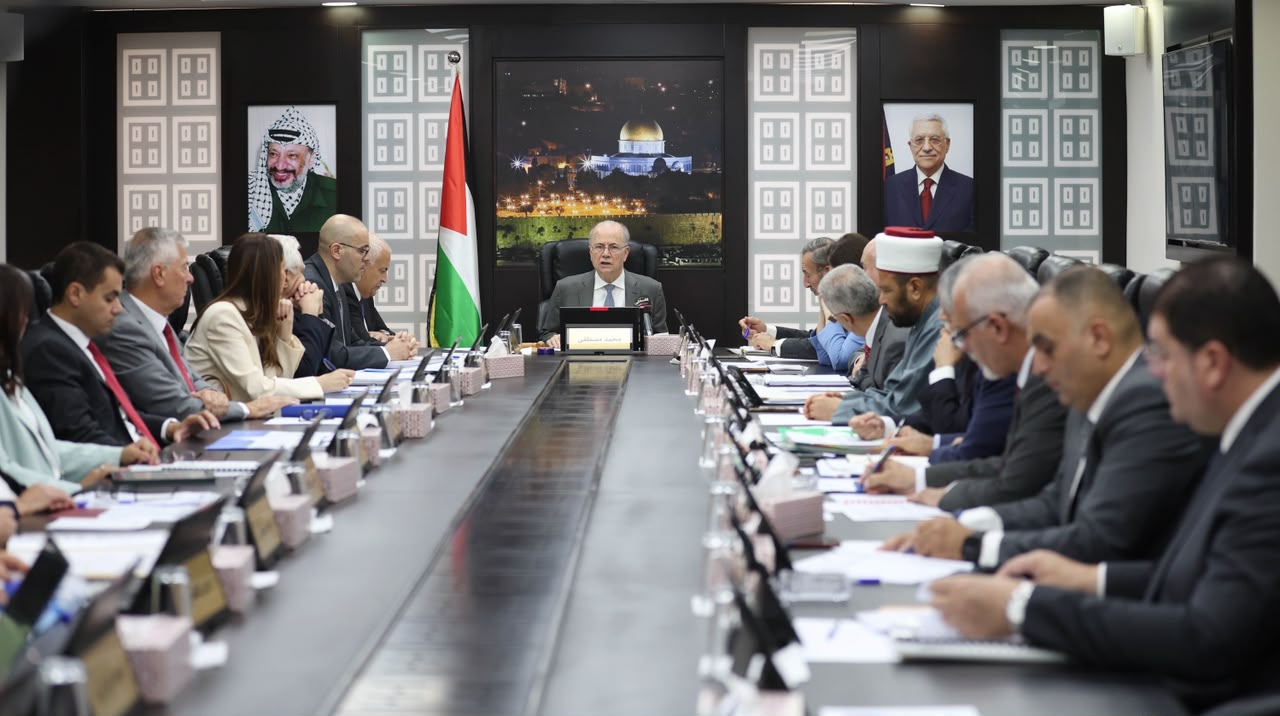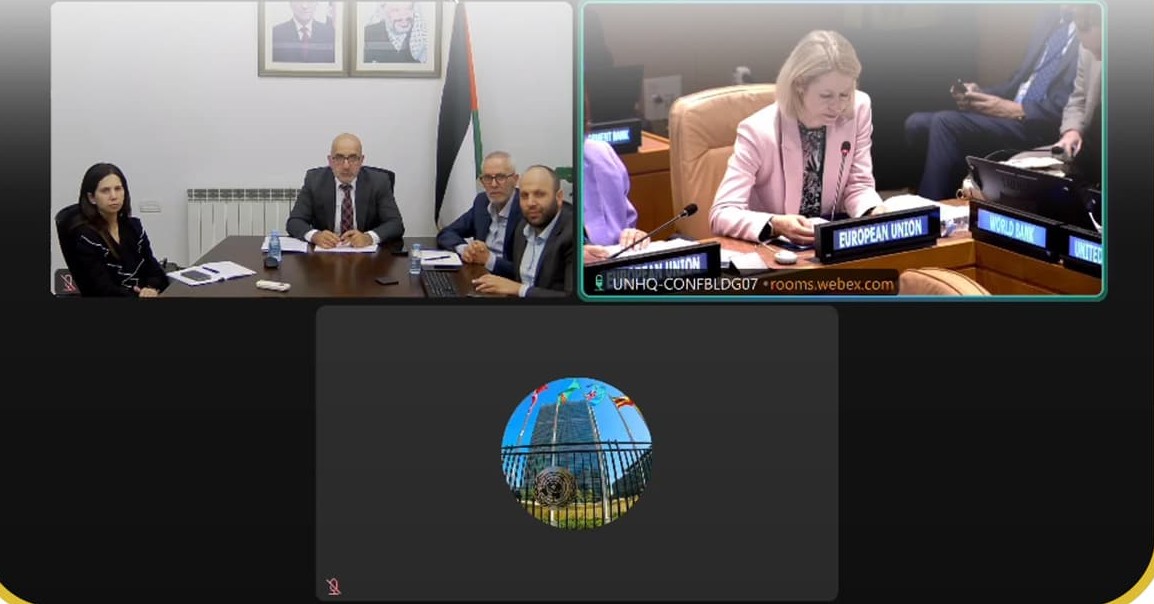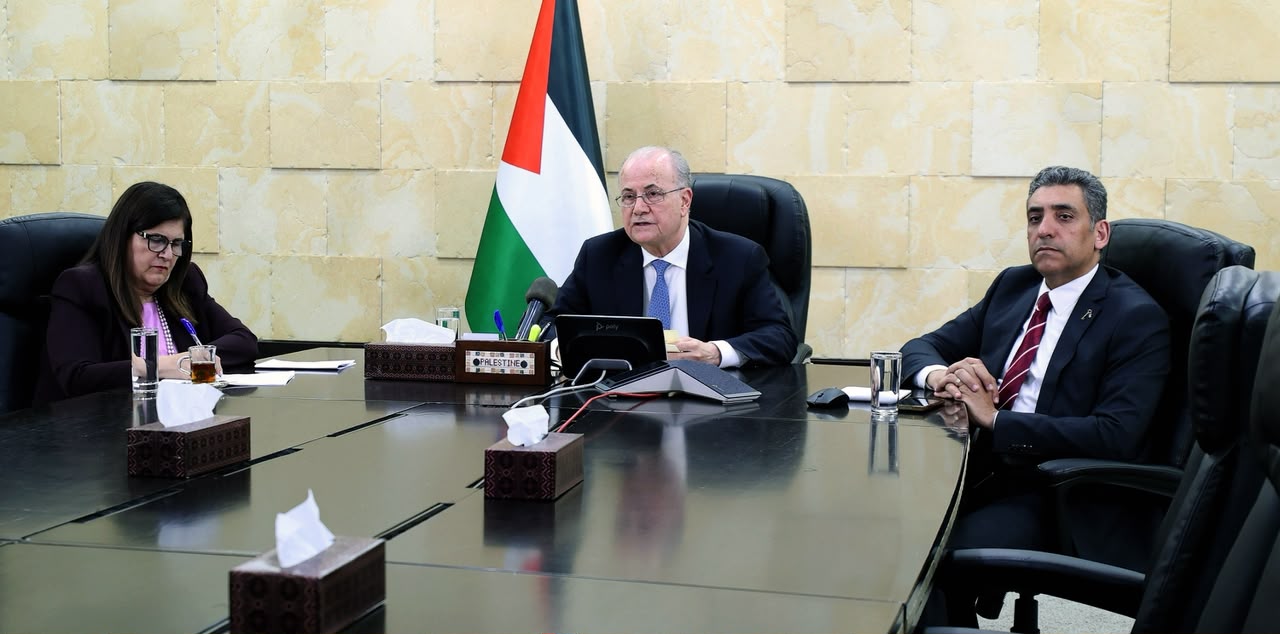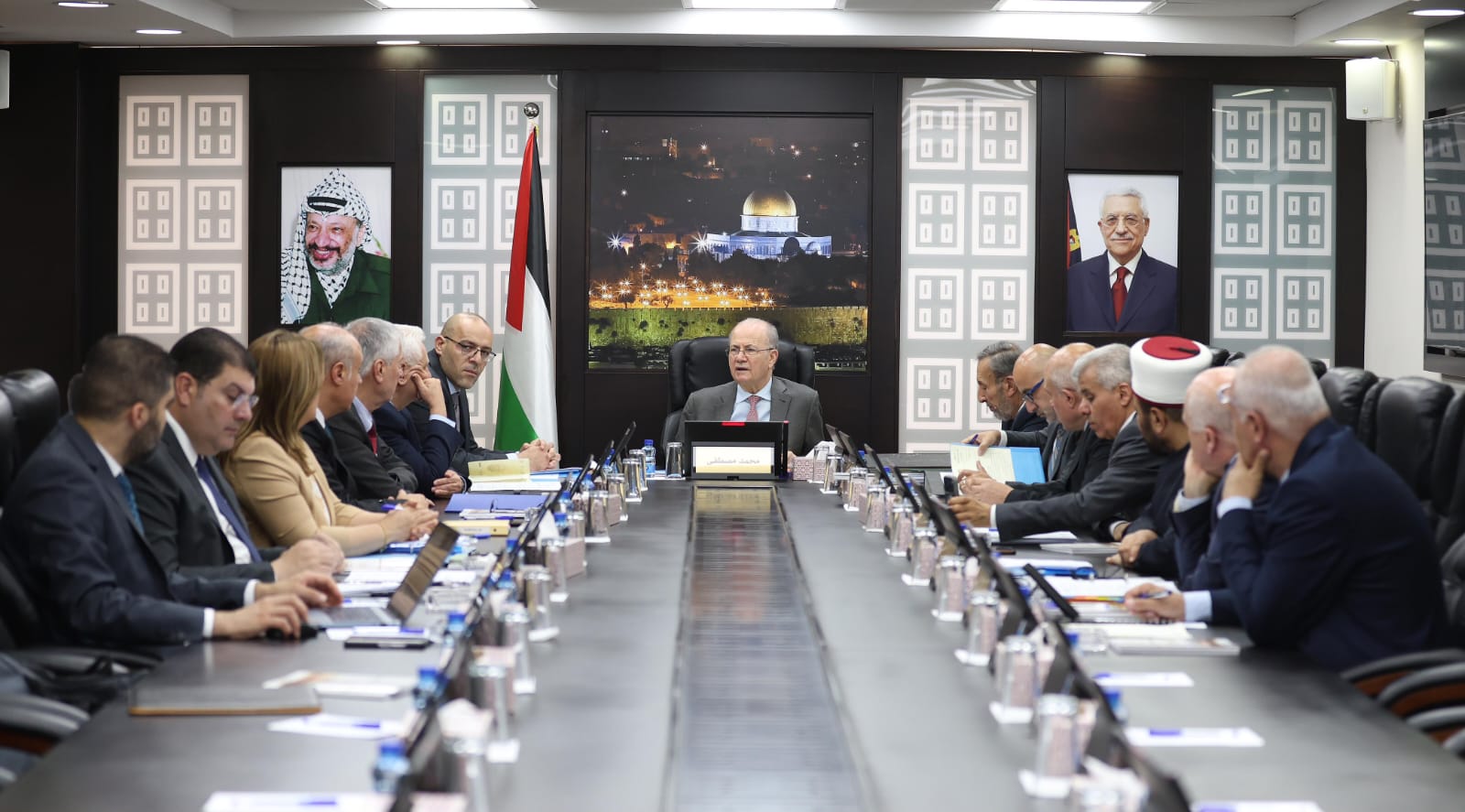
RAMALLAH, July 21, 2026 (WAFA) – Prime Minister Mohammad Mustafa opened the weekly Cabinet session on Tuesday by briefing members on the efforts made during the second meeting of the Palestine Donor Group in Brussels, as well as the extensive preparations carried out over several months, which culminated in international pledges of around $1 billion to support recovery efforts in the Gaza Strip.
The Prime Minister co-chaired the second meeting of the Palestine Donor Group with EU Commissioner for the Mediterranean, Dubravka Šuica. The meeting was attended by representatives of 65 countries and international institutions and addressed, alongside financial pledges to implement early recovery programs in the Gaza Strip, political developments, the escalation of colonist crimes, and economic conditions.
Discussions also focused on calls for the release of Palestinian customs and tax revenues (clearance funds), the reopening of Gaza crossings, the strengthening of relief and reconstruction efforts, and the reaffirmation of the central role of the United Nations Relief and Works Agency for Palestine Refugees (UNRWA).
The Cabinet also condemned the violent crimes committed by terrorist colonist groups against Palestinians across the occupied West Bank, particularly the recent armed attack on the village of Deir Jarir, north of Ramallah, which resulted in the killing of two Palestinians and the injury of others. The attack came amid an escalating wave of assaults by Israeli occupation forces and colonist groups, which carried out 447 attacks against Palestinians and their property across various governorates last week.
The Cabinet warned that the escalation of these attacks reflects a systematic policy targeting Palestinian citizens and their property, and called for urgent international action to halt these violations and hold those responsible to account.
The Cabinet further warned of the rapidly worsening humanitarian crisis in the Gaza Strip across all sectors, amid the continued surge in casualties resulting from ongoing Israeli attacks, the thousands of reported violations of the ceasefire agreement, stringent restrictions on the entry of humanitarian aid, and the continued denial of patients and injured people access to medical treatment abroad.
The Cabinet called on mediators and the international community to take immediate action to compel the occupation to halt its aggression and violations, ensure the uninterrupted and safe delivery of humanitarian aid, facilitate the transfer of patients and injured people abroad for medical treatment, protect civilians, and uphold the commitments and obligations set out in the ceasefire agreement.
The Cabinet also discussed the fuel crisis, attributing it to a combination of factors, including supply shortages, liquidity constraints resulting from Israeli measures, and excessive stockpiling by some individuals. It directed relevant authorities to take practical steps to address the crisis by increasing fuel supplies, ensuring the availability of necessary liquidity, strengthening oversight of fuel distribution, and proceeding with plans to establish a separate government company to handle fuel purchasing and storage operations, while the Petroleum Authority focuses on regulating the sector.
In a related development, Minister of Finance and Planning Estephan Salameh briefed the Cabinet on the financial situation amid the occupation’s continued full withholding of clearance revenues for more than 15 months, highlighting the Ministry’s ongoing efforts to secure the payment of public employees’ salaries, which are expected to be disbursed in the coming days. The Ministry of Finance is scheduled to issue a statement on the matter tomorrow, Wednesday.
The Cabinet further addressed the banking situation in light of a report submitted by the Palestine Monetary Authority on the status of banking relations with Israeli banks and recent threats to halt banking transactions with Palestinian banks. Given the importance of coordination among all relevant parties, the Cabinet directed the formation of a specialized committee to assess the repercussions of these threats on the Palestinian economy and submit its recommendations to the Cabinet within one week.
The Cabinet also approved the recommendations of the National Team tasked with developing a vision for land registration in Area C – which remains under full Israeli military and civil control – including exempting citizens from registration fees in specific targeted areas, including lands located inside or near colonies and adjacent to the separation wall, in order to consolidate citizens’ ownership of these lands.
T.R.