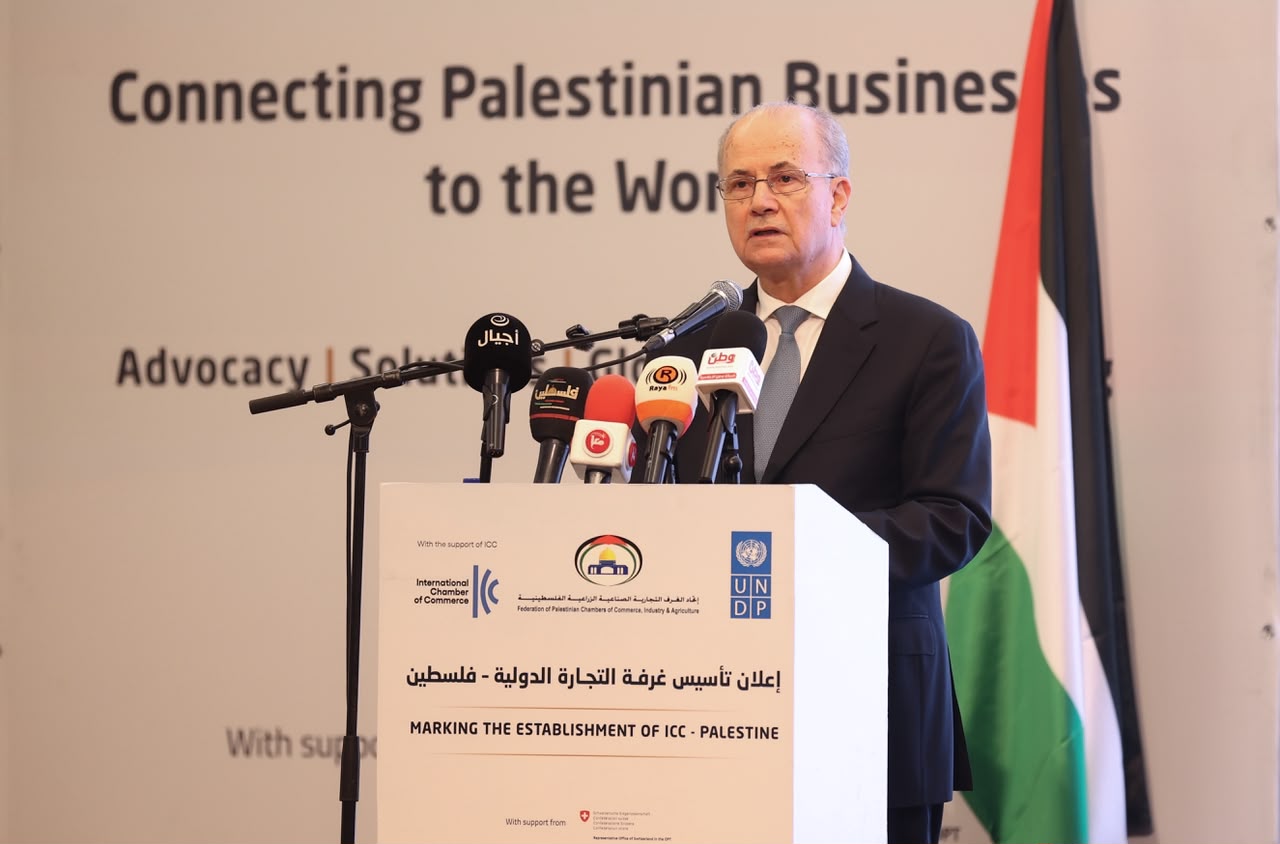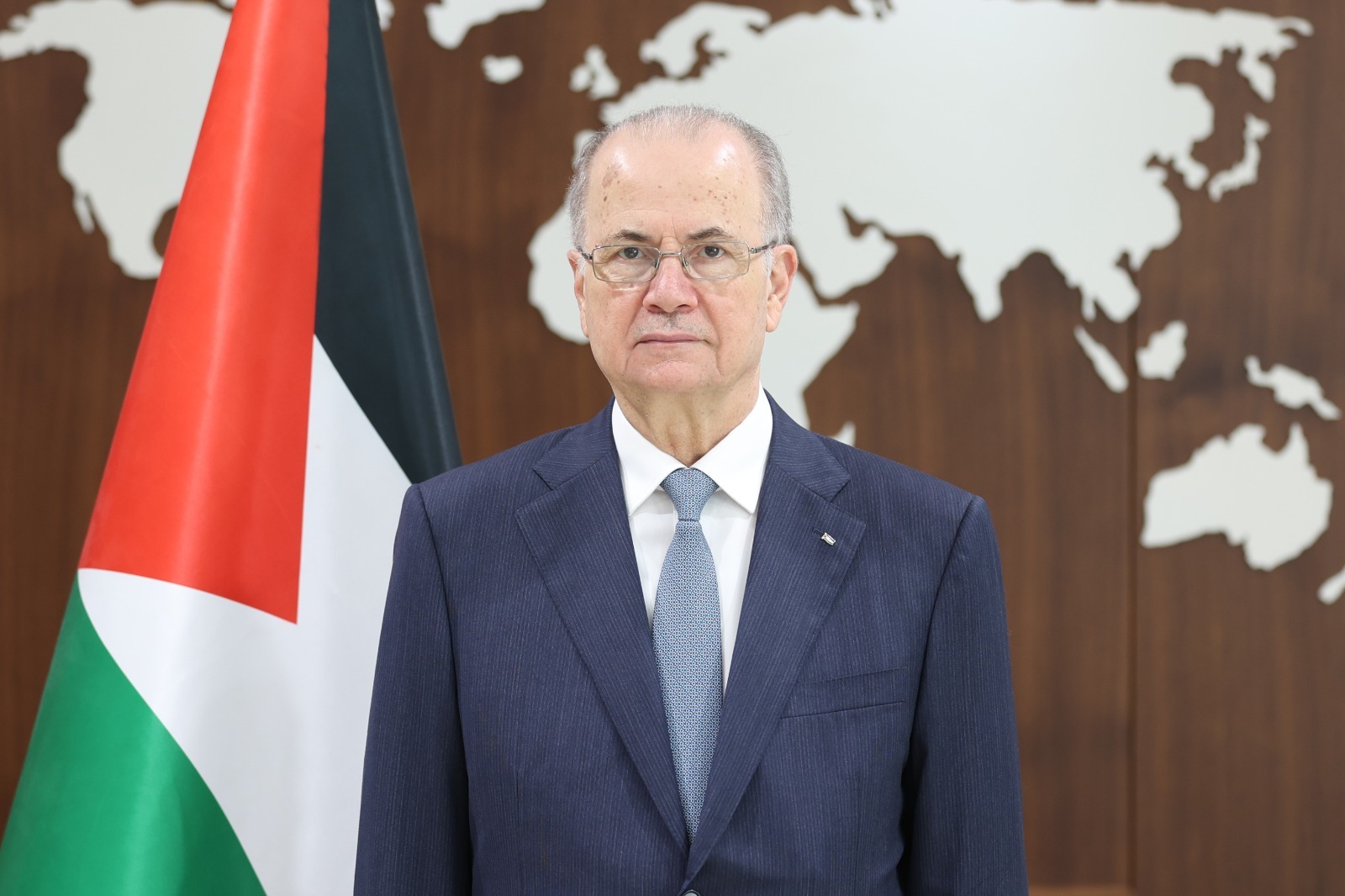
RAMALLAH, February 17, 2026 (WAFA) – Prime Minister Mohammad Mustafa affirmed the government's continued commitment to fulfilling its obligations to the people of Gaza, including paying employee salaries and providing various field interventions in health, education, water, and other sectors.
He called for increased international efforts to bolster relief and recovery operations, ultimately leading to reconstruction.
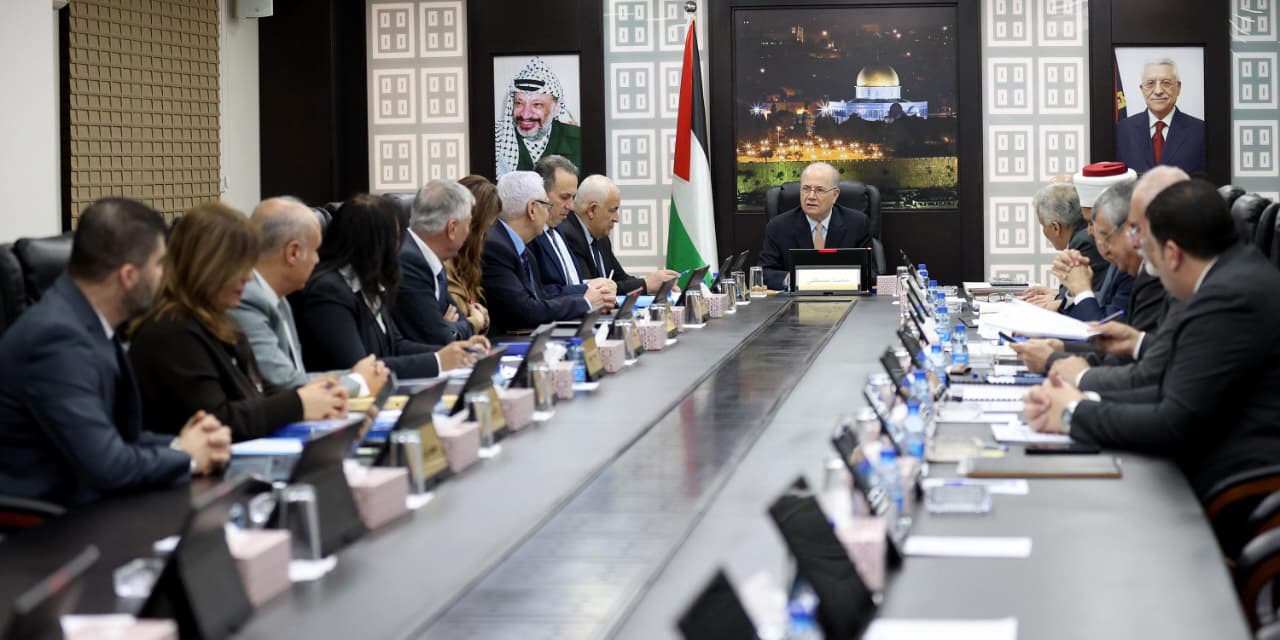
During the Cabinet’s weekly meeting, it warned of the dangers of Israel's decision regarding "land registration," deeming it a unilateral step that will fuel the conflict and undermine stability.
It further asserted that this decision constitutes a clear disregard for international obligations and agreements, and an attempt to impose a new reality on the ground by entrenching the creeping annexation of the West Bank.
The Cabinet called upon the international community, as well as Arab and Islamic states, to adopt more effective and decisive stances and measures against the occupation's policies.
"These measures should aim to halt these actions and hold Israel accountable for its violations, thereby protecting the rights of the Palestinian people and upholding international law."
The Council also condemned the escalating measures in the West Bank, particularly the confiscation of Palestinian lands and the demolition of homes in the Jerusalem Governorate, including the issuance of demolition orders for 40 homes in the town of Anata, along with the increasing raids and arrests, and the tightening of movement restrictions.
Furthermore, regarding the tragic incident in which a child was killed and his sister accidentally injured in the town of Tamoun, south of Tubas, the Cabinet expressed its deepest condolences to the family, as his passing has deeply saddened all Palestinians.
The Cabinet stressed that this tragedy necessitates a thorough and transparent investigation, upholding the rule of law, and taking all necessary measures to ensure justice and protect the lives and security of citizens.
In a different development, the Cabinet reviewed the general outlines of the exceptional budget for 2026, which is being prepared in consultation with various government institutions, the Ministry of Finance's Advisory Council, and relevant civil society organizations. The various proposals will be considered before being submitted to the Cabinet for detailed discussion soon, prior to its submission to the President.
Despite the Israeli financial blockade and difficult economic conditions, the government affirmed its commitment to implementing its strategic plans. This includes the Cabinet's approval of the recommendations of the Technical Committee for State Property Management, most notably: allocating government land in Jericho to the Ministry of Public Works and Housing for the construction of a government services complex, and allocating land to the Ministry of Health for the establishment of a health directorate in Halhul.
The Cabinet also approved the renewal of contracts for the staff of the Ibrahimi Mosque, which will contribute to strengthening their presence, steadfastness, and care for the mosque.
It directed the relevant authorities to intensify political and diplomatic efforts to confront and expose the crimes of the occupation.
The Cabinet also approved the Ministry of Health's request to launch a field training program in epidemiology to enhance the skills of medical teams in this crucial area.
Furthermore, the Cabinet approved the memorandum of understanding between the State of Palestine and the Colombian Institute for Family Care, specifically concerning the provision of urgent care and prosthetic limbs for injured children in the Gaza Strip.
The council discussed in its first reading the executive regulations for exempting vehicles for people with disabilities from customs duties and taxes in order to ensure greater social justice, while at the same time setting financial ceilings for the exemption, tightening the conditions of ownership and use, and ensuring the proper use of the exemption through regulatory controls and measures.
Y.S