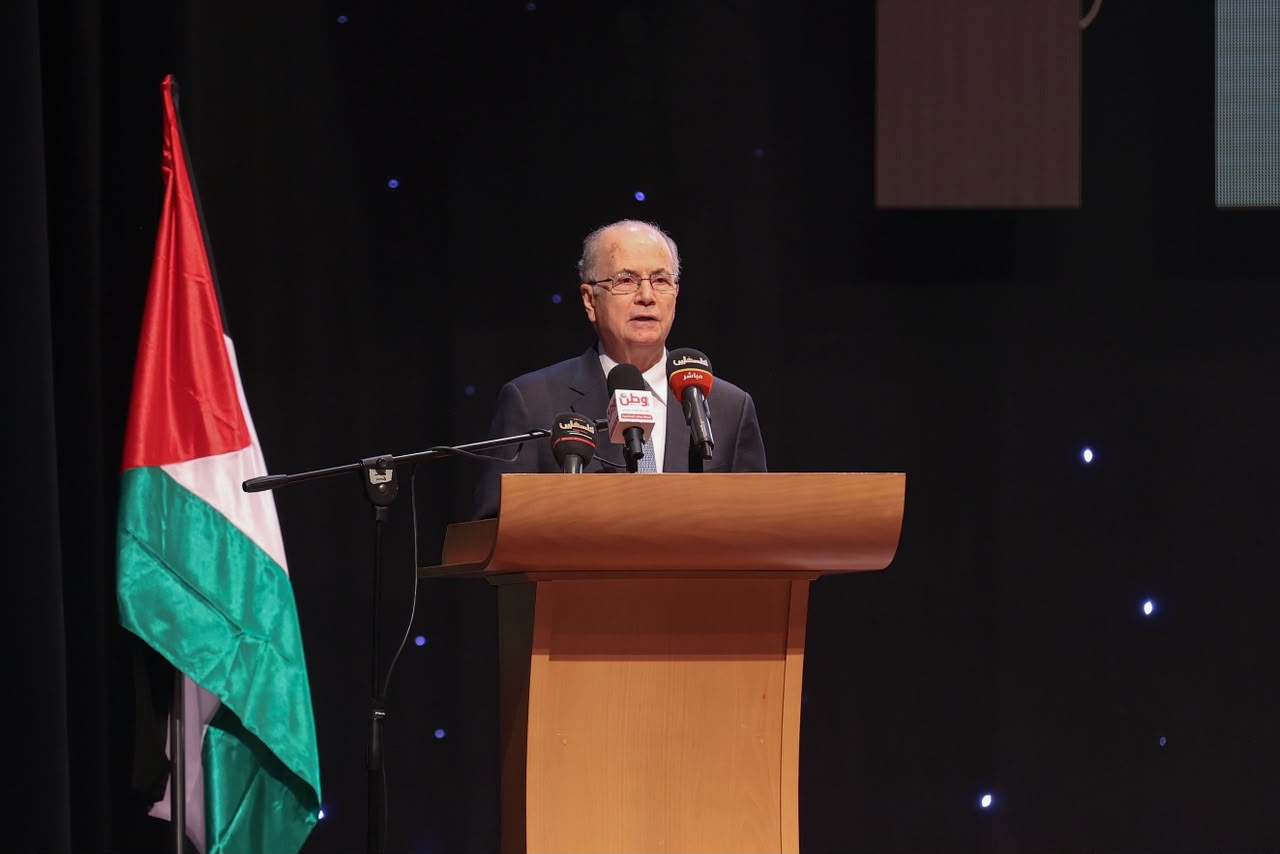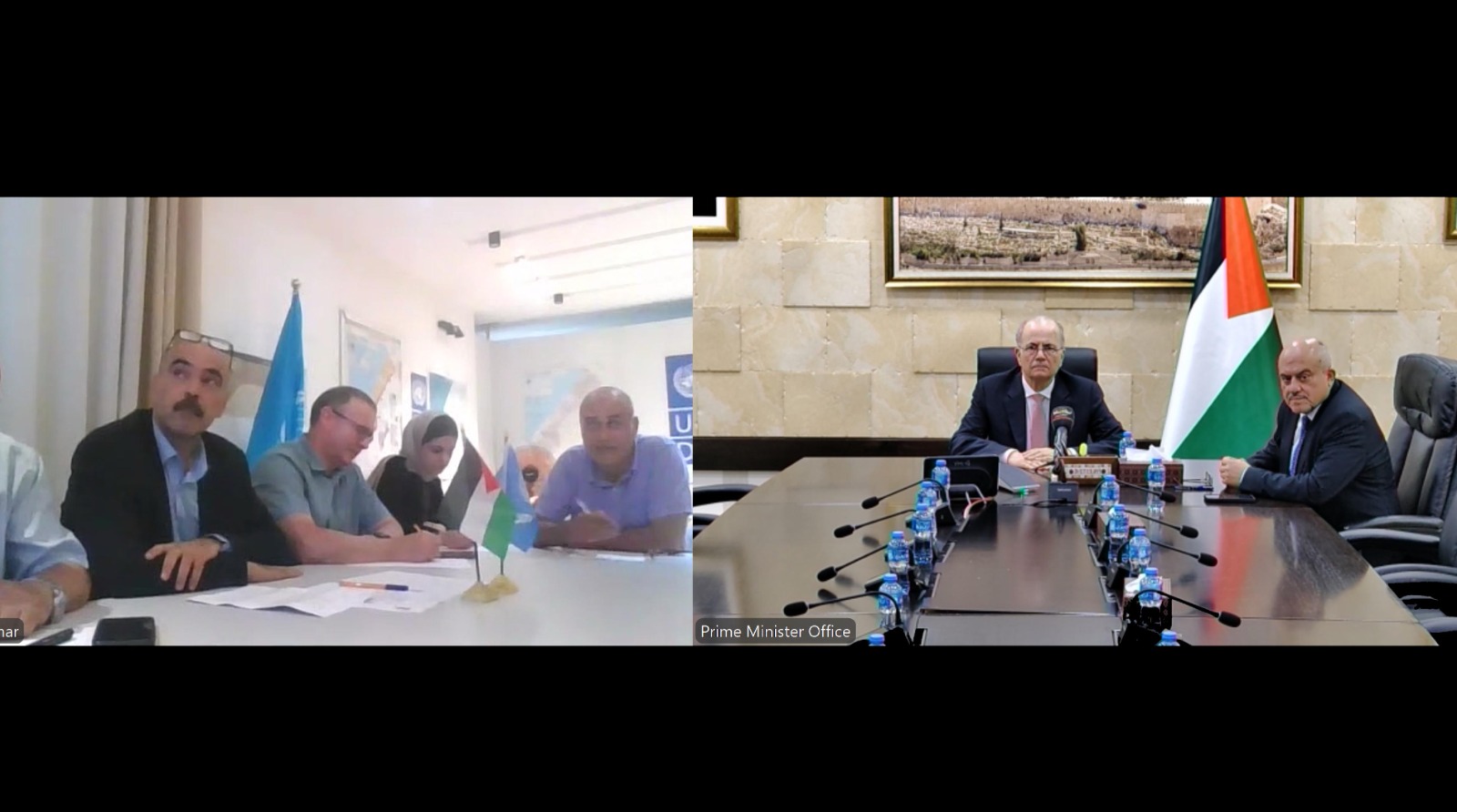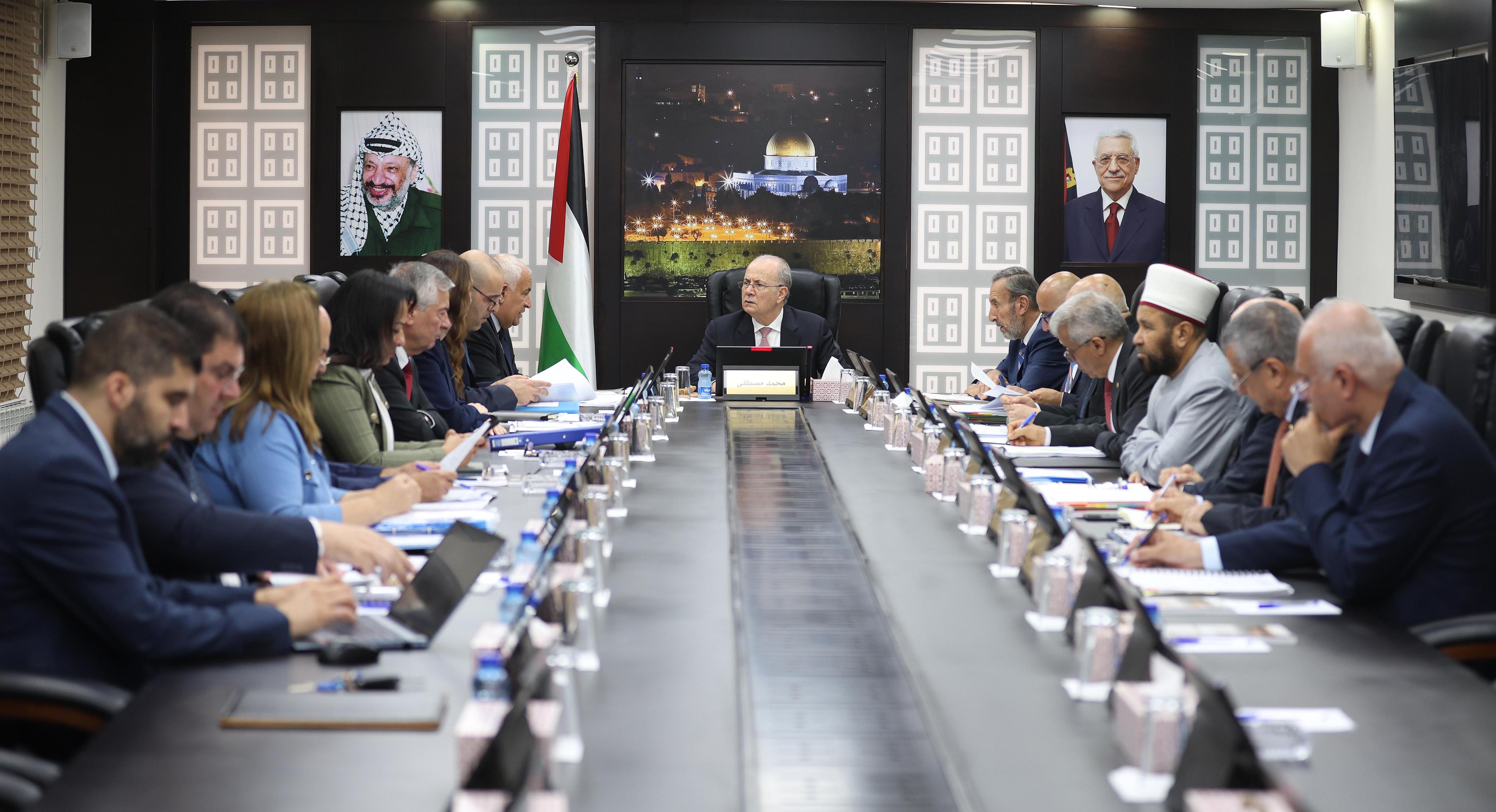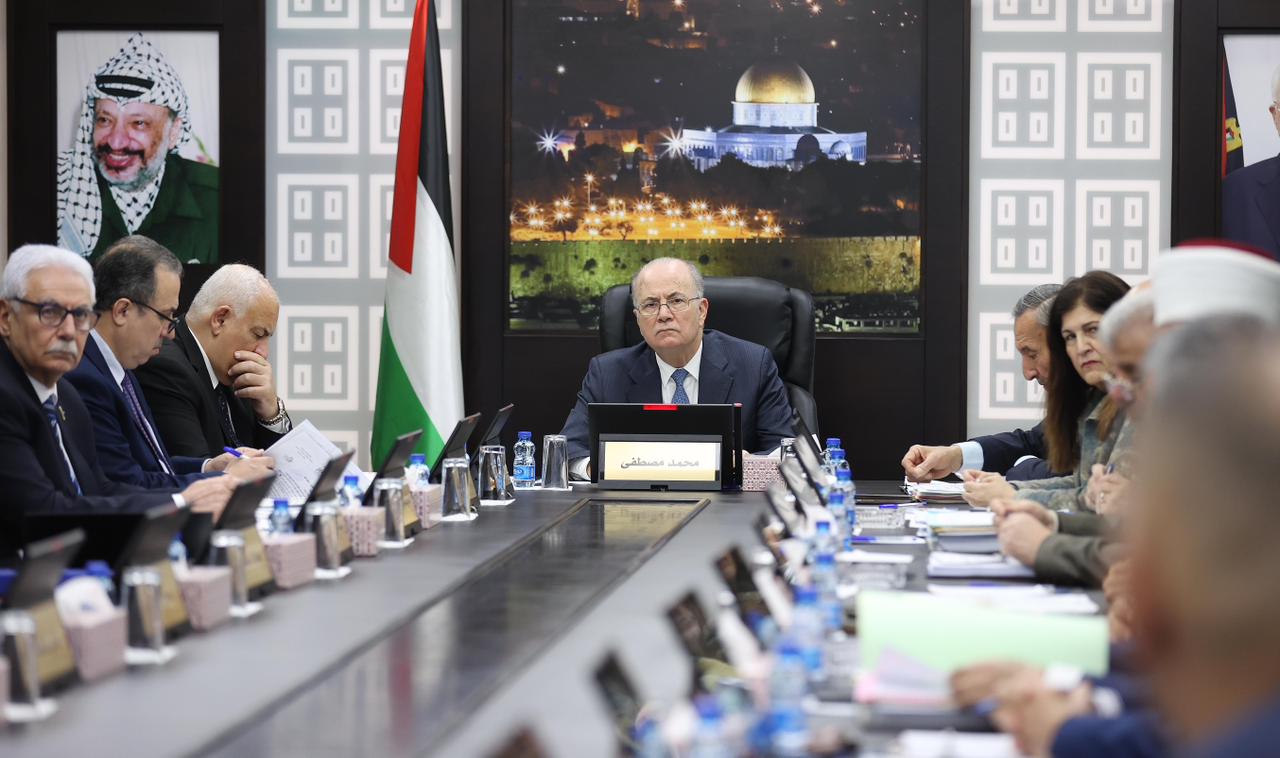
RAMALLAH, February 3, 2026 (WAFA) — At the opening of the weekly Cabinet session held today, Prime Minister Mohammad Mustafa briefed Cabinet members on the latest political and diplomatic contacts and efforts led by President Mahmoud Abbas and the Government to uphold the Palestinian people’s inalienable rights to freedom and independence and to bring an end to the occupation.
He reaffirmed continued cooperation with all partners supporting relief and recovery efforts for the Palestinian people, particularly in the Gaza Strip, including the resumption of operations at the Rafah Border Crossing in accordance with previous international understandings.
In this context, the Cabinet called for urgent international intervention and more effective measures to halt the escalating terrorist attacks carried out by Israeli colonial settlers. According to data from the Colonization and Wall Resistance Commission, January alone witnessed 1,872 settler attacks, including the forced displacement of 125 families from three Bedouin communities—the largest of which was the Shalal al-Auja community.
These violations also included Israeli efforts to establish nine new colonial outposts, the review of 21 settlement structural plans, the seizure of 744 dunums of Palestinian land, the demolition of 126 structures, and the issuance of demolition notices for an additional 40 structures.
On another matter, the Cabinet approved a plan to regulate markets during the month of Ramadan, instructing all relevant authorities to intensify inspection campaigns to protect consumers from expired or non-compliant goods and to ensure strict adherence to mandatory technical regulations.
The Cabinet further tasked the Ministries of National Economy and Agriculture with developing a plan to establish a national strategic food reserve system in partnership with the private sector, in line with the recommendations of the Permanent Ministerial Economic Development Committee.
Additionally, the Cabinet reviewed proposals related to the draft Public–Private Partnership Law, which will be circulated to relevant government institutions for review and feedback before being published on the Ministry of Justice’s Legislation Platform for public consultation.
In its first reading, the Cabinet discussed the draft Insolvency Decree-Law, which seeks to establish a comprehensive legal framework for addressing financial distress and bankruptcy in accordance with international standards. The decree-law aims to safeguard creditors’ rights, regulate repayment priorities in a fair and balanced manner, and enable debtors to restructure their businesses and financial obligations to avoid liquidation whenever possible, while taking into account the humanitarian and social dimensions of financial hardship of financially distressed individuals.
The Cabinet also tasked the Ministry of Jerusalem Affairs with preparing a dedicated action program to enhance the resilience of Palestinians in Jerusalem and its suburbs, in light of ongoing Israeli measures and daily violations, for submission to the Cabinet for discussion and implementation.
Furthermore, the Cabinet approved the procurement of medicines and laboratory supplies for the Ministry of Health, particularly to address urgent needs related to bacterial diagnostic testing.
As part of the Government’s efforts to support national products, the Cabinet endorsed the Ministry of Health’s recommendations to grant preferential treatment to locally produced medicines in government tenders, in accordance with applicable laws and regulations.
The Cabinet also approved the recommendations of the relevant technical committees concerning pilgrims’ accommodation arrangements and transportation services.
M.N