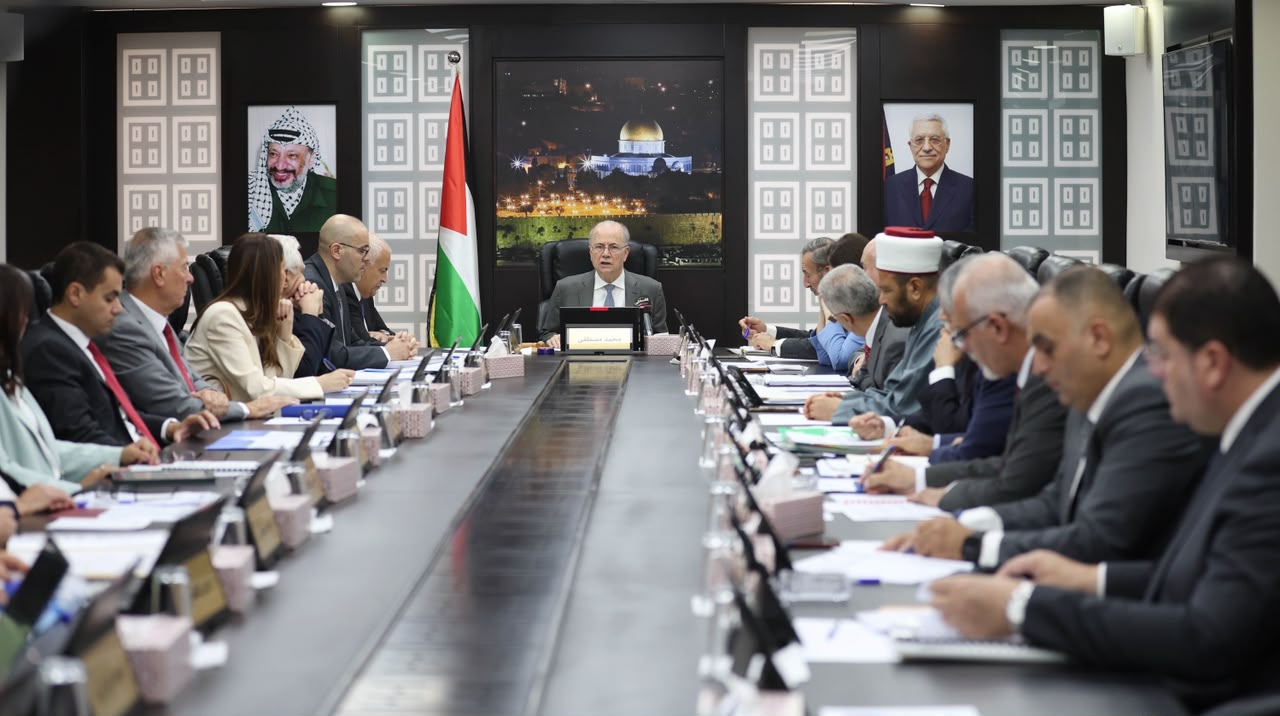
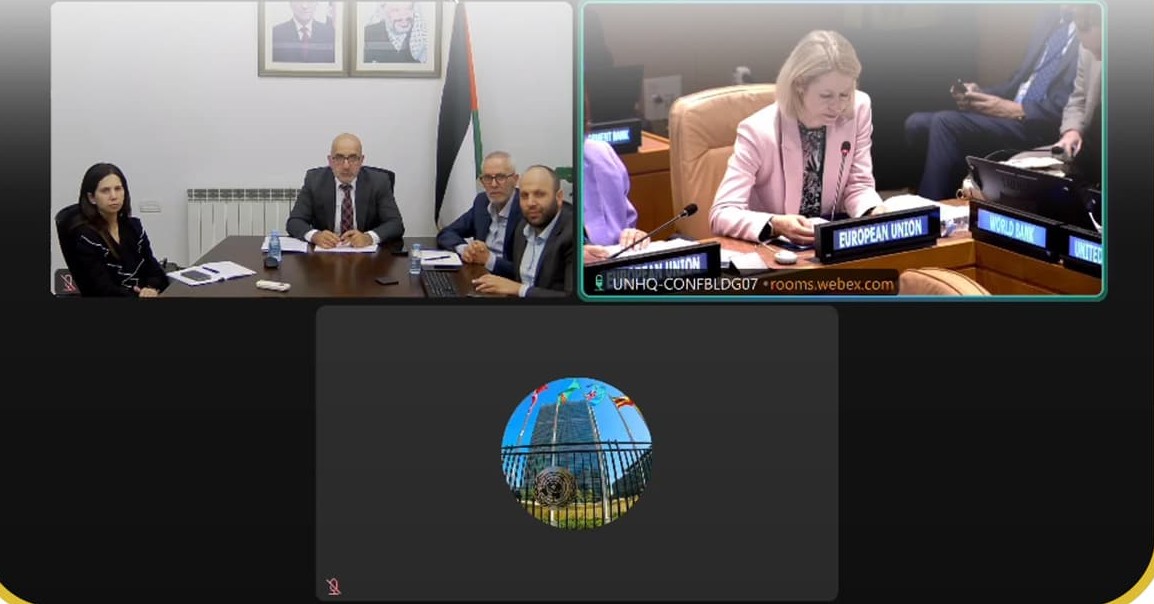
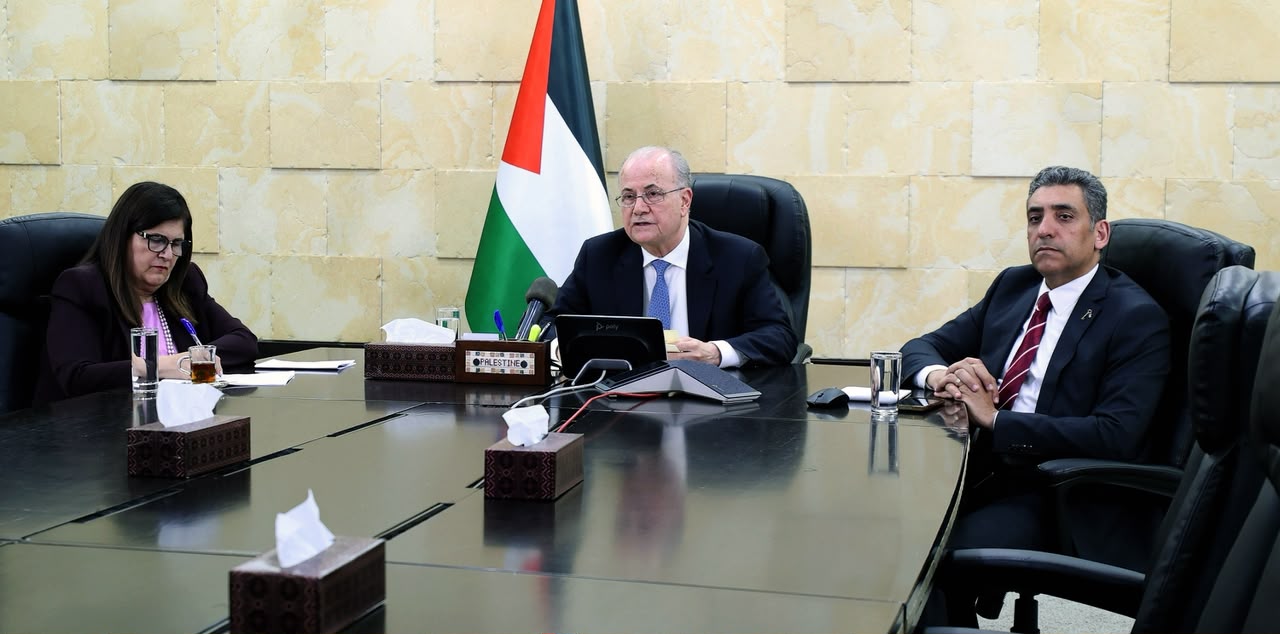
RAMALLAH, December 17, 2025 (WAFA) – The Government Operations Room for Emergency Interventions in the Gaza Strip presented, on Wednesday, the Ministry of Agriculture’s Recovery and Reconstruction Plan for the Gaza Strip, in the presence of Minister of Agriculture Professor Rizq Salimiya. The presentation comes as part of ongoing government efforts to brief ministerial partners on sectoral recovery and reconstruction plans for Gaza.
The presentation included an assessment of the extensive damage to the agricultural sector and food system, and outlined phased interventions to support the transition from emergency response to sustainable recovery and strengthened food security.
Before the war, the agricultural sector and food system in the Gaza Strip were key pillars of the local economy and food security. Annual agricultural production was valued at approximately USD 600 million, contributing nearly 14% of GDP, while agricultural and food exports accounted for around 63% of Gaza’s total exports. The sector also achieved notable self-sufficiency in essential commodities, including vegetables, milk, eggs, poultry, and fish, strengthening community resilience and reducing reliance on imports.
Based on estimates by the Food and Agriculture Organization (FAO) and UN satellite imagery, the plan indicates that the agricultural sector sustained severe damage, including the destruction of 130,000 dunums of cultivated land, more than 10,000 dunums of greenhouses, and damage to over 2,000 agricultural wells, in addition to extensive losses to livestock, fisheries, and agricultural infrastructure. These impacts directly disrupted agricultural production and food supply chains.
Damage and needs assessments (IRDNA) show that losses and damages in the agricultural sector and food system reached USD 3.4 billion, while recovery and reconstruction needs are estimated at approximately USD 10 billion.
The Recovery and Reconstruction Plan is aligned with the Government Plan, the Arab Plan for the Reconstruction of Gaza, and the Ministry of Agriculture’s Strategy 2025–2027. It forms part of preliminary sectoral plans that are regularly updated in coordination with local and international partners. The plan emphasizes inclusivity, sustainability, resilience, diversification of agricultural production, expanded partnerships with international actors and the private sector, and the use of technology and renewable energy.
The plan includes two main programs: a Food Security Program, aimed at rehabilitating food distribution systems, rebuilding bakeries and food outlets, and reducing reliance on external assistance; and a Program for Restoring Agricultural Production and Markets, focusing on rehabilitating agricultural land, water management, livestock and fisheries development, and strengthening value chains.
Immediate interventions during the first six months include emergency food assistance, provision of agricultural inputs, rehabilitation of damaged agricultural infrastructure, and cash-for-work programs, alongside longer-term measures to support comprehensive reconstruction and the economic sustainability of the sector.
In addition, the Ministry of Agriculture reviewed the implementation of 18 agricultural projects in 2025 through local and international NGOs, with funding of approximately USD 12.5 million. These projects directly benefited around 3,000 farmers and agricultural households, and more than 10,000 indirect beneficiaries.
Minister of Agriculture Rizq Salimiya stressed that agriculture remains a national priority in emergency and recovery efforts, emphasizing that supporting farmers, livestock breeders, and fishers is a direct investment in food security and economic resilience. He called on international partners to support and adopt the Recovery and Reconstruction Plan and to press for the lifting of restrictions on the entry of agricultural production inputs into the Gaza Strip.
For her part, the Chair of the Government Operations Room, Dr. Samah Hamad, affirmed that the Ministry of Agriculture’s plan is a cornerstone of early recovery and comprehensive reconstruction, given the agricultural sector’s vital role in food provision, job creation, and community resilience. She noted that continued restrictions on the entry of aid, relief materials, and essential supplies remain the primary obstacle to relief, early recovery, and reconstruction efforts.
Y.S