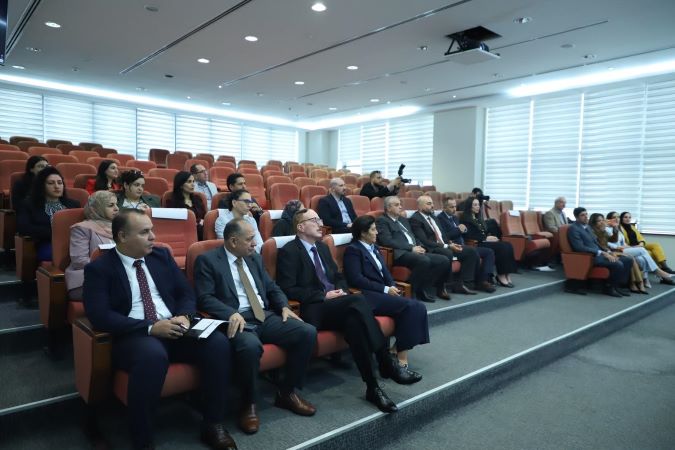
RAMALLAH, October 22, 2026 (WAFA) – The Ministries of Foreign Affairs and Expatriates and Labor held a joint briefing session on Thursday for Palestinian ambassadors and heads of diplomatic missions abroad to intensify diplomatic efforts to protect Palestinian workers’ rights, expand employment and training opportunities, and advance their cause internationally.
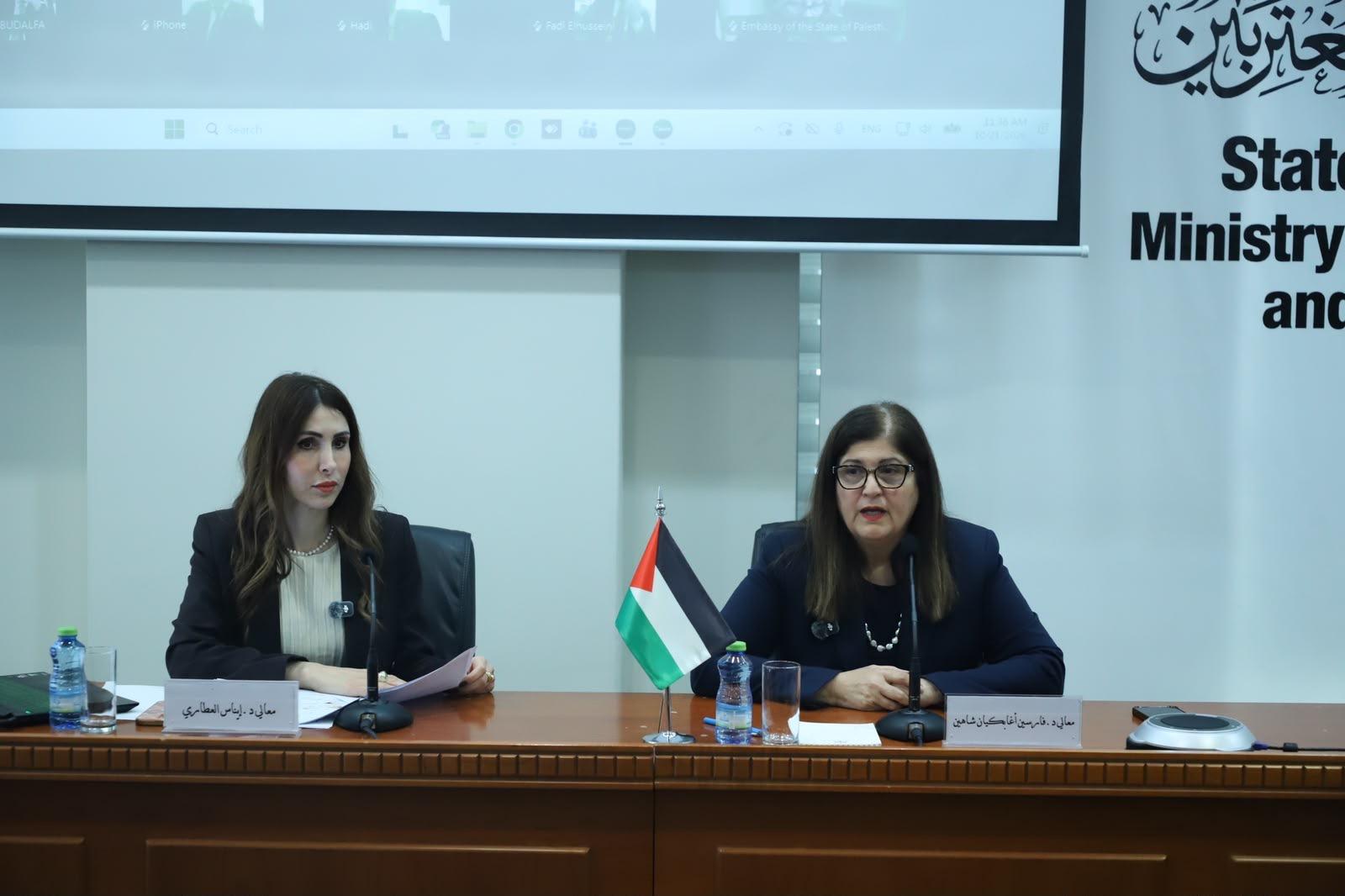
The session was attended by Minister of Foreign Affairs and Expatriates Varsen Shahin and Minister of Labor Enas al-Attari, who outlined the repercussions of the crisis facing Palestinian workers and the economic and social losses resulting from their inability to reach their workplaces. They also reviewed the ministry’s efforts to protect workers’ rights and provide employment opportunities, as well as the role diplomatic missions are expected to play in mobilizing international support and strengthening partnerships in support of Palestinian workers and the economy.
Shahin stressed the importance of Palestinian embassies and diplomatic missions in conveying documented accounts of workers’ conditions and the Israeli violations they face, and in keeping their cause on the agenda of political and diplomatic engagement with countries and international institutions. She underscored the need to leverage bilateral and multilateral relations to broaden international solidarity with Palestinian workers, defend their rights under international charters and conventions, and open avenues for cooperation in employment, vocational training, and economic development.
For her part, Al-Attari said the Palestinian labor market was facing an escalating crisis as a result of Israeli policies and measures that have prevented tens of thousands of workers from reaching their workplaces and directly and indirectly affected the livelihoods of hundreds of thousands of Palestinians. This have contributed to rising unemployment, declining incomes, and mounting living costs,[i]she said.
She explained that the unemployment rate across Palestine reached approximately 49% in the second quarter of 2026, including around 28% in the West Bank and more than 80% in the Gaza Strip, amid the ongoing war, the destruction of economic facilities, the disruption of productive activities, and declining employment opportunities.
Al-Attari added that more than 140,000 Palestinian workers have been prevented from reaching their workplaces inside the Green Line since October 2023, while approximately 300,000 workers in the West Bank have been directly and indirectly affected by checkpoints, closures, and restrictions on movement and access to workplaces and markets.
Wage-related losses were estimated at approximately NIS 902 million per month, equivalent to nearly NIS 10.8 billion annually, undermining Palestinian household incomes and purchasing power and weakening local economic activity.
Al-Attari also addressed Israeli violations against Palestinian workers, including killings, injuries, detention, and ill-treatment. She stressed that the repercussions extended to their families and Palestinian society as a whole, requiring more effective international action to ensure respect for workers’ rights and hold those responsible for violations accountable under international law and relevant conventions.
Regarding the national response, she said the Ministry of Labor provided emergency assistance worth more than NIS 30 million to affected workers in the Gaza Strip. The ministry also pursued efforts to protect workers’ rights, entitlements, and revenues inside the Green Line, with the value of these efforts exceeding NIS 1.48 billion. In addition, it provided more than 8,800 paid employment and training opportunities through programs designed to support workers and jobseekers and strengthen their participation in economic activity.
Al-Attari also outlined the National Employment Strategy for 2025–2027, which includes expanding employment opportunities; developing vocational and technical training in line with labor market needs; supporting entrepreneurship and small businesses; strengthening the role of cooperatives in providing sustainable sources of income; and digitizing employment services, particularly through the JobMatch platform, which connects jobseekers with employers.
She called on Palestinian ambassadors and heads of diplomatic missions to intensify engagement with host countries, international institutions, and the private sector; build partnerships that create new employment and training opportunities; explore suitable labor markets for Palestinian professionals; and mobilize support for national programs aimed at protecting workers and strengthening their economic resilience.
Shahin stressed the importance of continued coordination between the two ministries and providing diplomatic missions with updated information on labor market developments and needs. Such efforts, she said, would strengthen diplomatic action to defend Palestinian workers’ rights in international forums, expand employment and training opportunities, and explore new avenues of cooperation with countries, international institutions, and the private sector.
T.R.