RAMALLAH, October 22, 2026 (WAFA) – The Colonization and Wall Resistance Commission (CWRC) documented 409 attacks by Israeli occupation forces and colonists against farmers, their olive trees, lands, and agricultural equipment between October 1 and 21, 2026. Of these, 317 were carried out by colonists and 92 by Israeli forces, it said.
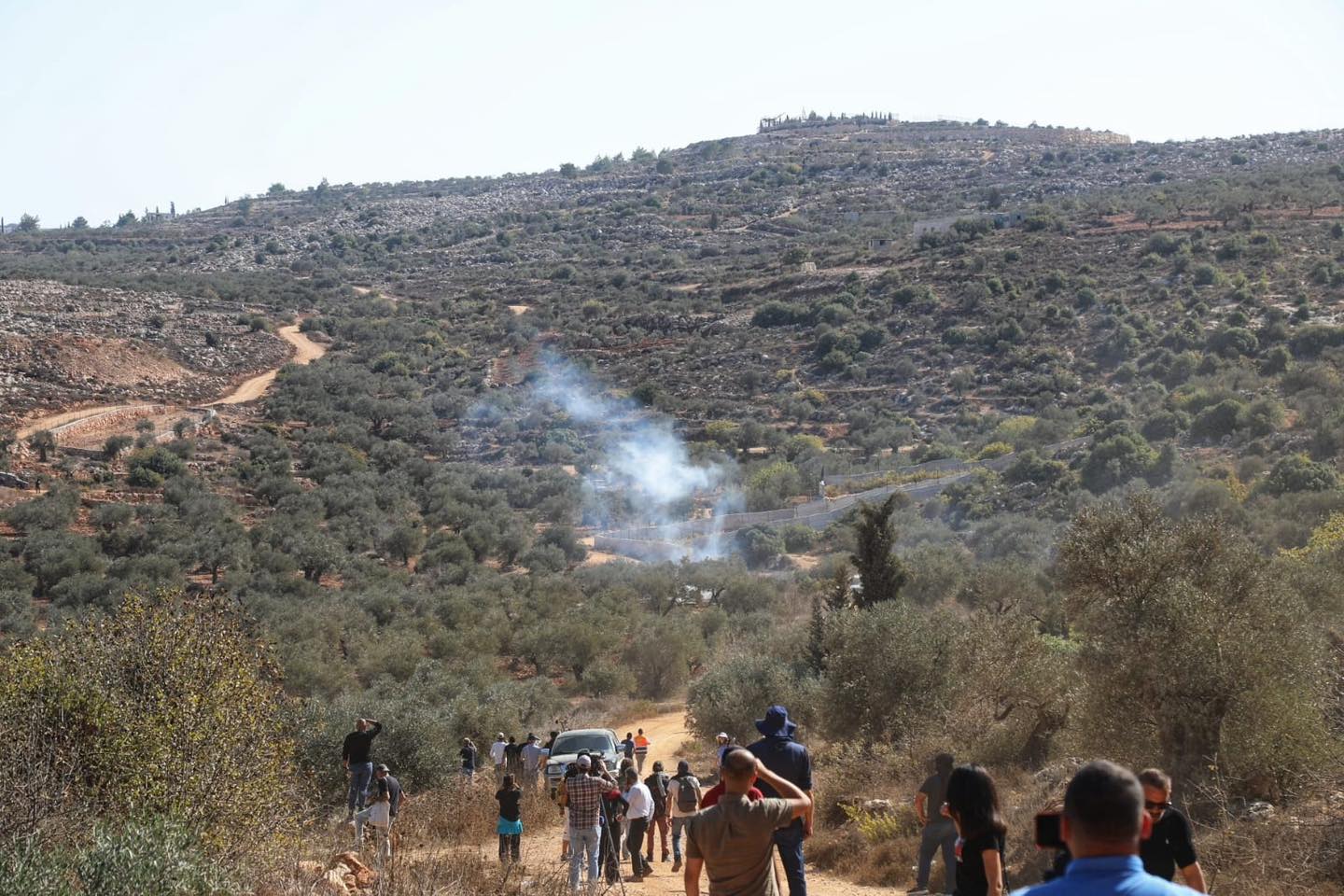
In a statement issued on Thursday, the commission said the figures reveal the growing scale of attacks during the olive harvest season and the range of methods used to disrupt harvesting and deprive Palestinian families of their crops. These include preventing access to fields, attacking farmers and forcing them to leave, stealing olives, and destroying trees and equipment.
The commission said Nablus governorate recorded the highest number of attacks, with 166, followed by Salfit with 91, Ramallah and al-Bireh with 69, Jenin with 36, Hebron with 30, Qalqilya with nine, Bethlehem with five, and Jerusalem with three. Nablus and Salfit governorates alone accounted for approximately 63% of all documented attacks, highlighting the scale of pressure on farmers in these two governorates. Repeated attacks on fields and access routes mean that farmers face the risk of assault at every stage of their work, from traveling to their land and harvesting olives to transporting their crops and returning home.
The commission documented 287 attacks directly targeting farmers, including 149 cases of intimidation and threats, 50 physical assaults, 29 cases of movement restrictions and denial of access, 18 detentions during the harvest, 15 incidents in which farmers were held inside olive groves, 14 incidents involving pepper spray and stun grenades fired at farmers, and 11 shootings.
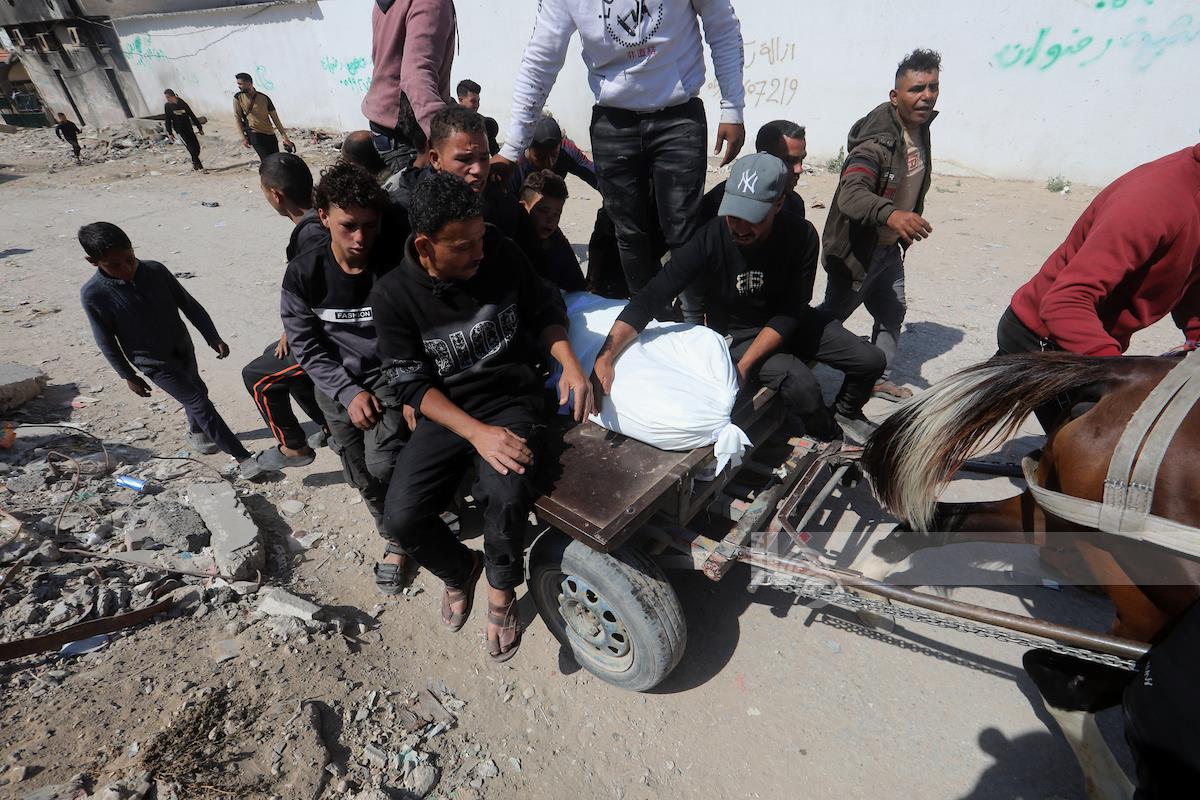
The commission also reported the killing of Ali Hassan Bazzari, from the town of Burqa northwest of Nablus, who succumbed to wounds sustained from colonist gunfire while picking olives on October 7, 2026. The commission stressed that these patterns reflect the use of direct violence to drive farmers off their land and reduce the time available to harvest their crops, during a season in which completing the harvest depends on safe and uninterrupted access to fields.
Among the incidents documented by the commission was an attack on olive pickers in the Ma'in area of Masafer Yatta on October 17 by colonists protected by Israeli occupation forces. One Palestinian was shot in the thigh with live ammunition, while two others fainted and suffered burns after being sprayed with pepper spray. The commission also recorded injuries and bruising to three farmers following a colonist assault during the harvest in Asira al-Qibliya on October 16, as well as injuries to farmers in Beita on the same day. These incidents underscore the threat to farmers' safety and lives, making agricultural work fraught with the risk of injury and detention, said the commission.
Alongside the attacks on farmers, the commission documented 122 incidents targeting trees, land, equipment, and other property associated with the harvest. These included 57 cases of olive theft, 23 incidents involving the confiscation or theft of agricultural equipment, 12 cases of olive trees being broken, 11 incidents of trees being cut down or uprooted, seven cases of fires set in olive-planted land, five incidents of damage to trees, four cases of property being burned, and three incidents of land leveling. The resulting losses combine the seizure of the current crop with damage to the trees on which future harvests depend.
The documented incidents also included the theft of olives, harvesting equipment, and ground sheets used by farmers, as well as attacks on their vehicles while transporting crops. In Qabalan on October 16, colonists attacked a Palestinian's vehicle, overturned it, and stole bags of olives. In Rantis, farmers were detained for more than two hours, while Israeli occupation forces took two bags of olives and two harvesting machines. These attacks show how losses accumulate for individual families, from disrupted work and stolen crops to the loss of tools needed to complete the harvest, the commission added.
The commission stressed that protecting the olive harvest requires ensuring that farmers can access all their land, remain there, complete the harvest, and transport their crops safely, while halting attacks and holding those responsible accountable. The commission stressed that continued restrictions, violence, and theft impose an increasing human and economic toll on families and undermine their ability to continue cultivating their land.
The commission affirmed that Palestinians' right to their land, to cultivate it, and to harvest its produce is inalienable. It stressed that confronting colonist terrorism requires effective measures to stop the attacks and protect farmers, preventing armed force from being used to deprive them of their land and livelihood.
T.R.