CAIRO, September 27, 2026 (WAFA) – The General Secretariat of the League of Arab States strongly condemned the ongoing Israeli escalation in the occupied Palestinian territory, including East Jerusalem, and the intensification of military measures, closures, and restrictions imposed on the movement of Palestinian citizens, coinciding with Jewish holidays. It also condemned the dangerous escalation targeting the Al-Aqsa Mosque and attempts to impose a new reality within it.
In a statement issued Sunday, the General Secretariat stressed the seriousness of the revelations by the Jerusalem District Commander of the Israeli occupation police regarding a trial to bring Jewish prayer books ("Sidur") into the Al-Aqsa Mosque compound, and the concerns raised about the possibility of allowing the entry of other religious items and books in the future. This is a highly dangerous development that would entrench new practices and rituals within the mosque and alter its historical and legal status quo.
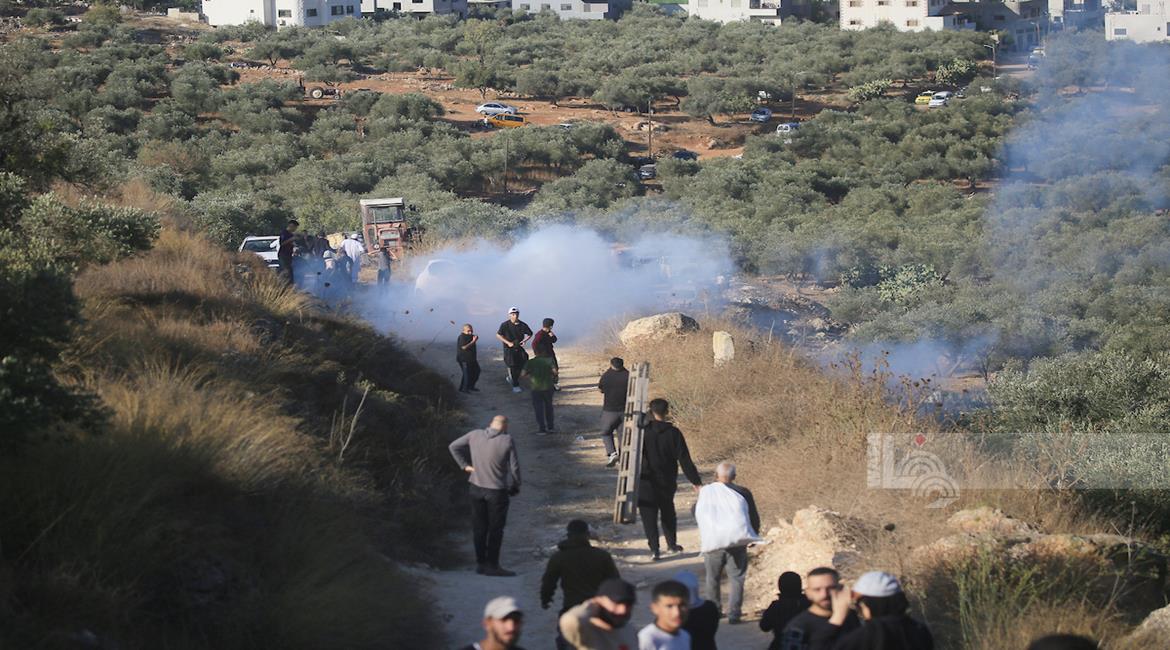
The statement also condemned the Israeli occupation authorities' intensification of military measures in the occupied West Bank, including the closure of roads, gates, and checkpoints, and the obstruction of Palestinian movement and access to their workplaces and places of worship, particularly given the continued closure of roads and entrances in several Palestinian governorates.
The General Secretariat specifically warned against exploiting the Jewish holidays to escalate incursions and violations against the Al-Aqsa Mosque compound, in light of the recent incursions, the performance of religious rituals, and the introduction of prayer items and books into its courtyards, along with the accompanying restrictions on Palestinian worshippers' access to the mosque.
The General Secretariat called upon the international community, especially the Security Council, to uphold its responsibilities and compel Israel, the occupying power, to cease all measures and practices that violate the rights of the Palestinian people, their freedom of worship, and the historical and legal status quo of the Islamic and Christian holy sites in occupied Jerusalem.
K.T