RAMALLAH, April 9, 2026 (WAFA) – Tears, embraces and prayers filled the courtyards of Al-Aqsa Mosque compound in occupied Jerusalem as worshippers returned to the holy site following 40 days of closure imposed by Israeli occupation authorities.
At Bab al-Asbat, one of the historic gates of the mosque, an elderly man from Jerusalem performed a prostration of gratitude, a scene that quickly spread across social media and symbolized the return of life to the holy site.
Since February 28, the mosque compound and the surrounding Old City of Jerusalem had experienced an unprecedented shutdown not seen since the Six-Day War. During that period, thousands of Palestinians were prevented from reaching the mosque, and the usually crowded markets of the Old City were left largely empty.
When the mosque reopened, emotional scenes unfolded as worshippers crossed its gates. Some fell to the ground in prayer, while others distributed tissues to fellow worshippers wiping away tears of joy after weeks of being barred from entering the compound.
Worshippers described the return to the mosque as a powerful reminder that Jerusalem is not merely a political issue but a deeply rooted part of Palestinian religious life and identity. However, the celebrations were quickly overshadowed by tightened security measures.
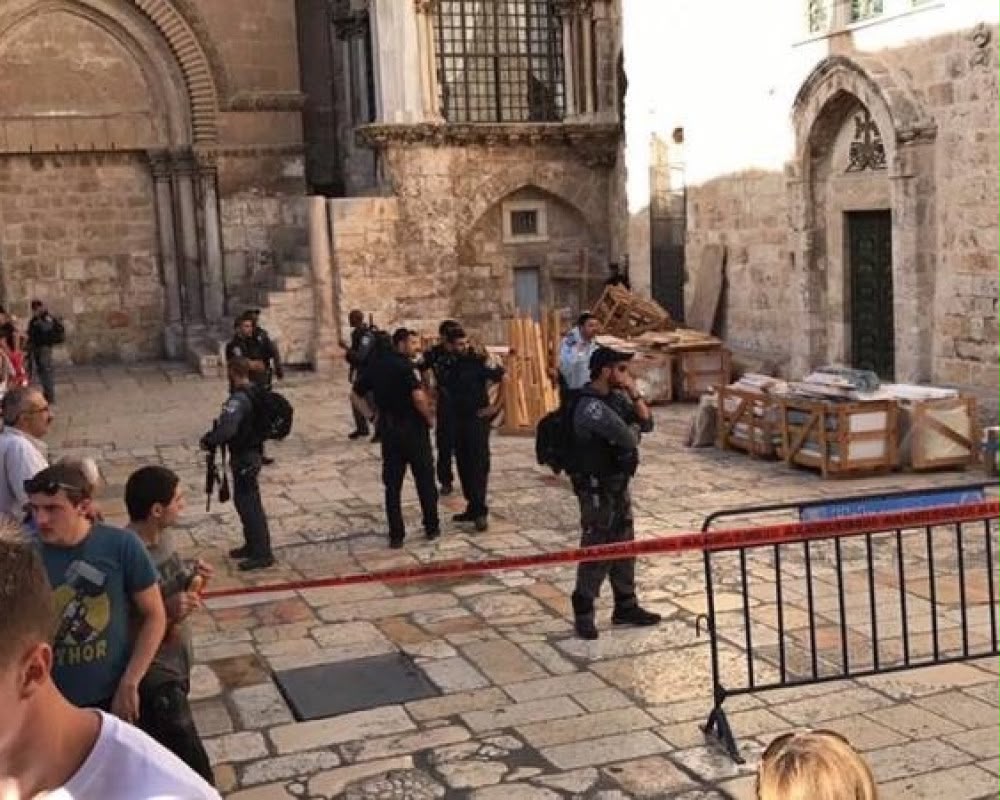
At the same time, Israeli forces set up checkpoints at the mosque’s gates, checked IDs, and detained or removed several young men from the compound.
According to the Jerusalem Governorate, Israeli police also detained a female worshipper and banned her from the mosque, hours after detaining a young man inside the compound while forcing others to leave as settlers began entering the site.
Meanwhile, Israeli colonists carried out provocative visits to the mosque compound and performed Talmudic rituals near the Dome of the Rock.
Activists reported that groups also performed “epic prostration,” following calls from extremist Israeli settler groups to increase incursions into the site.
Officials warned that the situation is escalating alongside a decision to extend the morning entry period for colonists by an additional half hour, beginning at 6:30 a.m., increasing the daily duration of such visits to about six and a half hours.
Attempts by Israeli settlers to introduce animal sacrifices into the compound have also increased. Seven attempts to bring a Passover sacrifice into Al-Aqsa were recorded this year, the highest number since 1967, raising concerns about changes to the historical and legal status of the site.
Since June 2025, Israeli colonists have expanded the performance of religious rituals in various parts of the compound, reportedly encouraged by Israeli National Security Minister Itamar Ben-Gvir.
Authorities had earlier imposed the closure under what they described as emergency measures during the Israeli-U.S. war against Iran, which also included closing the Church of the Holy Sepulchre during the Christian Lenten period and restricting access for both Muslim and Christian worshippers.
Media adviser to the Jerusalem Governorate, Marouf Al‑Rifai, said more than 6,000 worshippers attended the dawn prayer today after the reopening, according to estimates from the Jerusalem Islamic Waqf.
He added that colonists resumed their incursions shortly afterward, beginning at 6:30 a.m., while settler groups had recently intensified efforts to bring animal sacrifices into the mosque compound. Five such attempts were stopped at the gates of the Old City, while two were halted at the entrances of the mosque itself.
Al-Rifai warned that the developments may signal broader attempts to impose a new reality at Al-Aqsa, similar to what occurred at the Ibrahimi Mosque in Hebron, as part of wider settlement projects.
M.N