By: Reem Sweisi
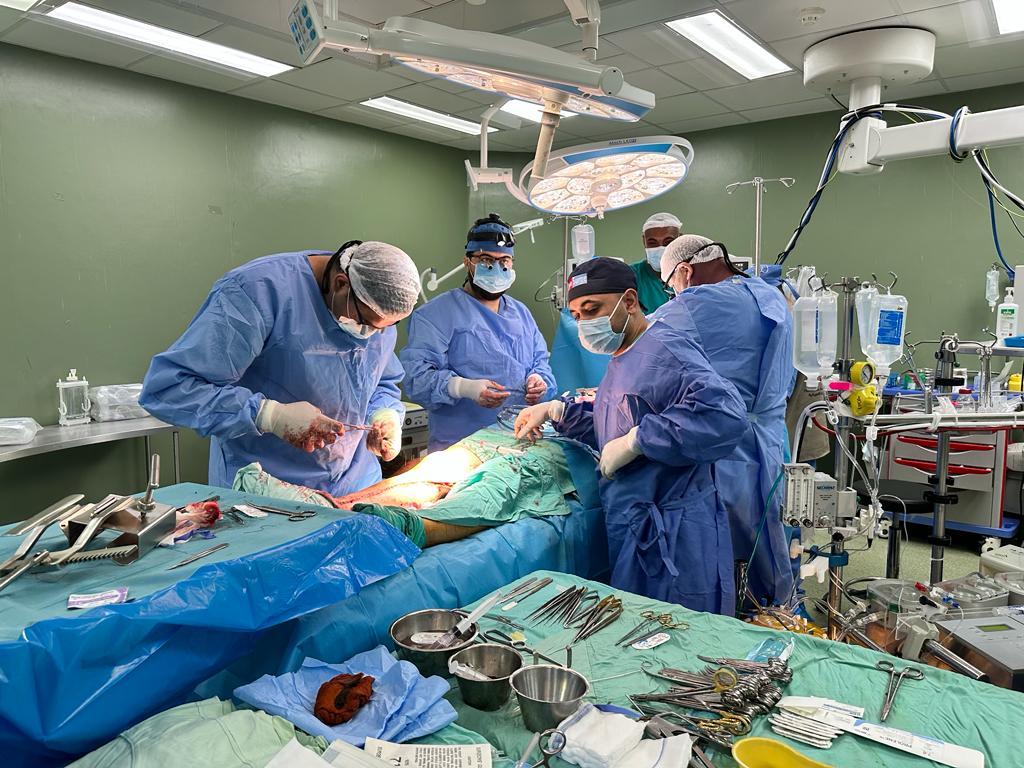
GAZA, May 3, 2026 (WAFA) – Amid the ongoing Israeli aggression on the Gaza Strip for more than two years, and the widespread destruction inflicted on health infrastructure, heart patients are facing deteriorating humanitarian and medical conditions, leaving their lives at risk due to the collapse of the healthcare system, shortages of treatment, and difficulties in accessing essential care.
Hospitals across the Strip are overwhelmed with heart patients, despite an already deteriorating medical reality marked by a severe shortage of medicines and supplies and an inability to meet even basic needs, as the repercussions of the aggression have further deepened the crisis.
Breakdown of essential medical equipment.
Patient Mohammad Al-Sa’ati, 66, has been lying at Nasser Medical Complex for two months, as doctors have prevented him from leaving due to the severity of his condition.
Al-Sa’ati said: “I have been suffering from irregular heart rhythms for eight years, and I currently need a pacemaker, but it is unavailable. Doctors insist that I remain in the hospital out of concern for my life.”
He added: “My symptoms worsen in the absence of the device. I experience a sharp drop in heart rate, causing dizziness and recurrent fainting, leaving my condition unstable,” concluding: “My life is at risk, and no solution appears on the horizon.”
Meanwhile, patient Fatima Rashid, 67, described her suffering, saying: “I have chronic, irregular hypertension and require frequent hospital admission, but treatment is unavailable.”
She continued: “I am currently suffering from fluid accumulation in the lungs due to high blood pressure, and doctors have warned me of the risk of a stroke due to the shortage of medication.”
She added: “I underwent a catheterization procedure a year and a half ago and was supposed to take a specific medication for a year, but it is unavailable, which led to the narrowing of the stent in my heart.” She concluded: “I feel that my death is near.”
Healthcare conditions at their worst
For his part, Head of the Cardiology Department at Nasser Medical Complex, Dr. Ashraf Hallas, said that the Israeli aggression on the Gaza Strip, along with the destruction and depletion of the health sector, has exacerbated the suffering of heart patients to an unprecedented level.
He added: “We are facing a severe shortage of medicines and equipment, particularly those required for catheterization procedures, which has led to the suspension of around 80 percent of cases scheduled for treatment.”
He pointed out that, before the aggression, between five and eight catheterization procedures were conducted daily at Al-Shifa Medical Complex and the European Hospital, as well as private centers, whereas such procedures are now limited to only a few cases.
He explained that, following the Ministry of Health’s contracting of Al-Quds Hospital, catheterization procedures are now limited to no more than 3 cases per day and are performed exclusively for critically ill patients, based on medical prioritization.
He noted that catheterization equipment is facing shortages of stents and balloons, at times forcing doctors to complete procedures without inserting stents, in addition to the need to transfer patients for treatment outside the Gaza Strip, a process hindered by occupation restrictions.
He added that many patients lose their lives due to delays or the denial of travel for treatment, amid the continued closure of crossings and restrictions on movement.
Regarding diagnostic equipment, Hallas said that electrocardiogram devices are entirely unavailable, echocardiography machines are in short supply, and other diagnostic equipment is malfunctioning due to damage inflicted on the health sector by the aggression.
He affirmed that these conditions have led to a deterioration in heart disease cases and an increase in cases associated with psychological stress, in addition to a rise in mortality rates compared to the period before the aggression.
According to the Ministry of Health, heart diseases account for approximately 56 percent of total deaths in the Gaza Strip, as thousands of patients are unable to leave the Strip for treatment due to imposed restrictions.
Local sources also indicate that around 20,000 patients are facing difficulties in accessing treatment, while 1,400 wounded individuals have died while waiting to travel for treatment outside the Strip, in one of the most severe consequences of the ongoing aggression on the humanitarian and health situation in Gaza.
T.R.