By: Hussein Nasser Al-Sinwar
GAZA, April 6, 2026 (WAFA) – Residents of the Gaza Strip are being deprived of some of their most basic human rights, including access to safe and adequate sanitary facilities, amid Israel’s ban on the entry of toilet seats and related supplies since the start of the war nearly thirty months ago. The situation has been further exacerbated by widespread shelling, which has damaged homes and destroyed bathrooms and toilets, showing no regard for the dignity of residents.
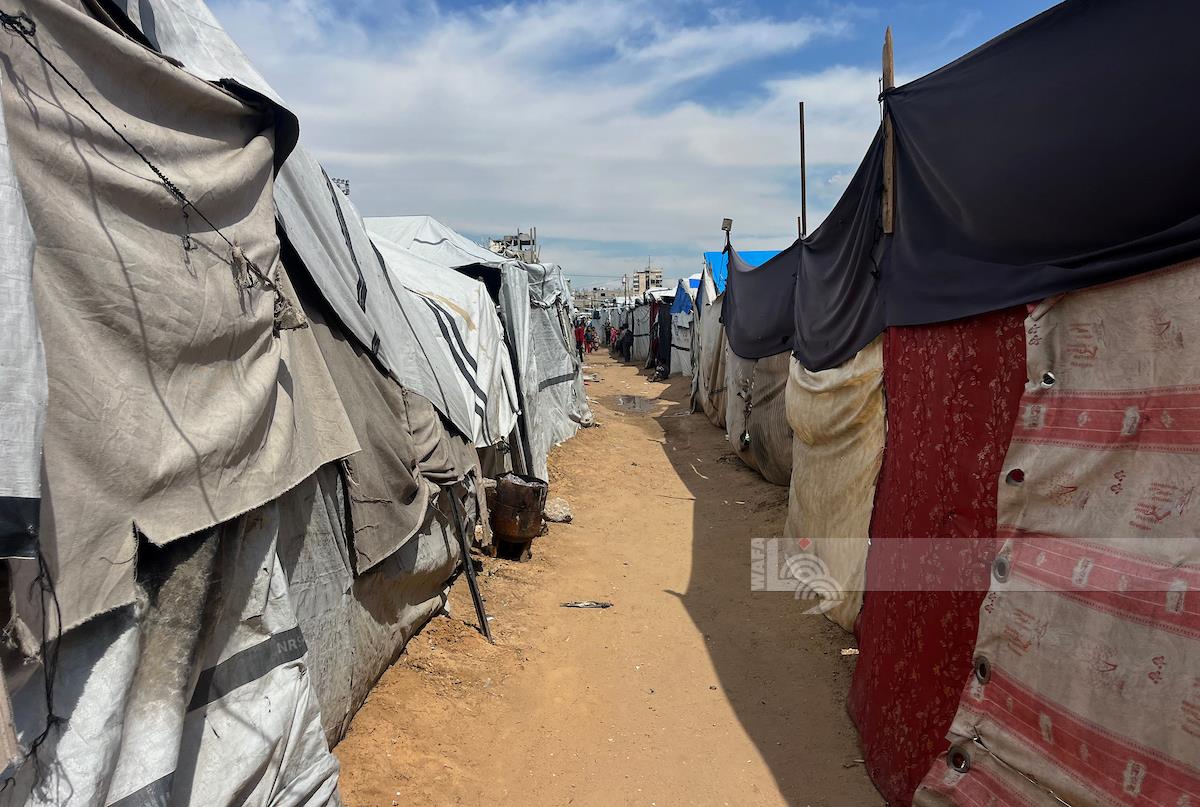
The absence of functioning toilets, bathrooms, and washrooms has become an everyday reality, forcing residents to devise makeshift solutions with their limited resources. Some construct toilets from cement or stones from the rubble of destroyed homes, others use large metal containers or convert ordinary chairs into toilets by adding seating platforms, while others attempt to repair old seats using simple materials for reuse. Despite these efforts, suffering persists, and basic humanitarian needs remain unmet.
Citizen Ibrahim Ayesh said the Gaza Strip is experiencing “an unprecedented situation in modern times,” referring to the ban on toilet seats, which has forced residents to rely on alternatives that lack the minimum standards of comfort and dignity.
He explained that before the war, toilet seats cost around 60 shekels, depending on quality, but prices have now soared to unprecedented levels, ranging from 1,000 to 1,600 shekels for used seats without accessories, and potentially exceeding 2,200 shekels with installation supplies.
Citizen Mahmoud Al-Dali said that using bathrooms in the Strip takes place under conditions that lack the most basic health and environmental standards. He explained that many families, especially those living in tents or damaged buildings, are forced to bathe in the same space they use for sanitation, which significantly increases health risks.
He added that the high cost of toilets, even locally manufactured ones which may exceed 300 shekels, combined with limited space, prevents families from constructing separate facilities. He explained that this contributes to the spread of skin and infectious diseases, as well as foul odors that adversely affect the respiratory system.
Citizen Mohammad Abu Safi described life in the camps as “the harshest aspect,” pointing to the absence of privacy and the difficulty of using rudimentary facilities unfit for human life. He recounted an incident in which his daughter encountered a snake inside a tent bathroom in the Mawasi area of Khan Yunis, leaving her with lasting fear of using it.
He explained that these bathrooms are little more than rudimentary spaces made of wooden pieces covered with tattered fabrics or tents, with floors of sand or gravel, lacking cleanliness and privacy, and questioned whether it is possible to live with dignity under such conditions.
Citizen Ahmed Awadallah pointed out that families are forced to wait long periods to use a single shared bathroom serving multiple tents due to limited space and resources, noting that this reality exacerbates daily suffering, particularly for women.
He added: “I feel immense pain seeing my wife and daughters forced to use the bathroom in front of others, unable to maintain even the minimum privacy because of displacement and scarcity of resources.”
Plumber Mohammad Sharab explained that the severe shortage of toilet seats results from mass displacement, the destruction of infrastructure, the ban on essential supplies, damage to water and sewage networks, and high demand amid limited availability.
He noted that residents have resorted to constructing rudimentary toilets from cement, tiles, or metal, often as squat toilets, but these fail to meet the needs of patients and children, are difficult to clean, and produce unpleasant odors due to their proximity to cesspits.
Internist Dr. Mahmoud Mattar warned of serious health consequences arising from these conditions, noting that using the same space for bathing and sanitation, combined with poor ventilation and hygiene, has contributed to the spread of diarrhea, skin diseases, and hepatitis.
He added that the lack of privacy, particularly for women and children, and overcrowding drive some residents to reduce their water and food intake to avoid using bathrooms, posing a direct threat to their health.
He called for the establishment of proper sanitary facilities in every population cluster, with secure and well-sealed pits to prevent the spread of insects and foul odors.
Dermatology and sexually transmitted diseases consultant Dr. Shafiq Al-Khatib said that the spread of insects in such environments leads to severe skin diseases and allergies and may cause serious respiratory problems.
He added that contamination of food and water by disease-carrying insects can result in intestinal illnesses such as diarrhea, typhoid, and dysentery, as well as other diseases that may become difficult to treat.
T.R.