By: Reem Sweisi
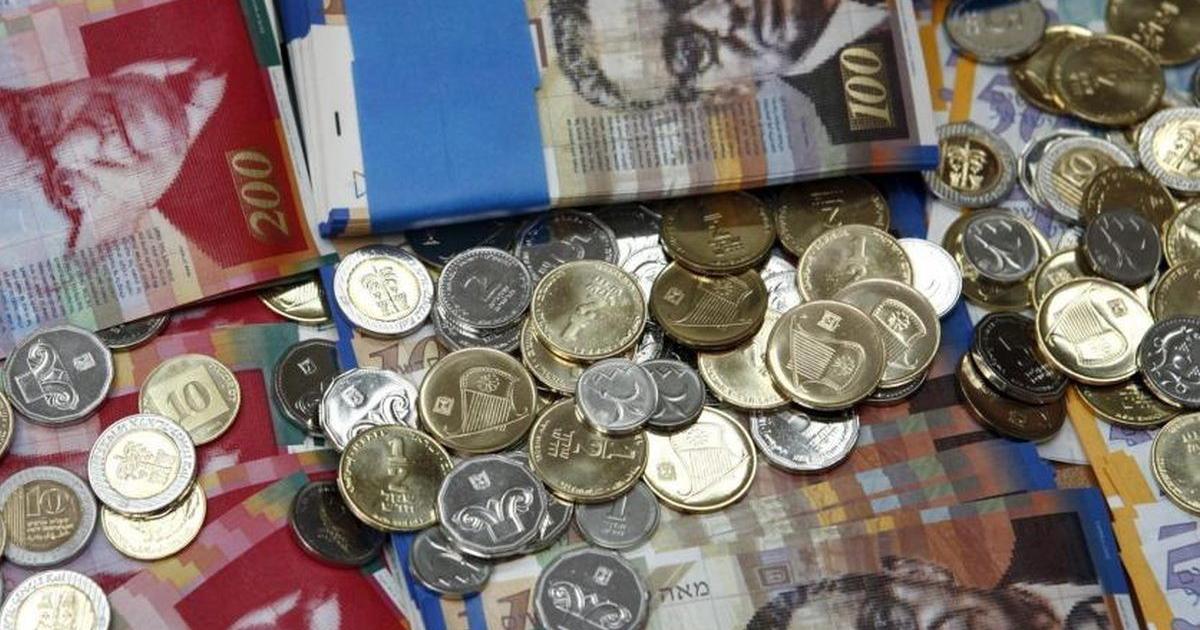
GAZA, March 29, 2026 (WAFA) – Obtaining a bundle of bread in the Gaza Strip has recently become nearly impossible—not due to a shortage of flour, but because of a crisis in small change (coins and low-denomination currency), a crisis that has effectively persisted since the beginning of the Israeli aggression on October 7, 2023.
In detail, the closure of crossings by the occupation authorities has prevented the entry of cash liquidity, particularly the replacement of worn-out banknotes, leading to a scarcity of cash, especially in small denominations.
How has the small change crisis affected bread?
This crisis overlaps with the already complex living conditions faced by residents in Gaza, where crises accumulate rapidly; just as one crisis ends, another, more complicated one emerges. The latest crisis involves bakeries and bread distribution points requiring payment in small change, leaving citizens and their bread hostage to this situation.
Citizen Walid Abu Jiab, a 40-year-old unemployed man, said: “Bakeries and bread distribution points force us to pay for a bundle of bread in small change, and since we do not have these denominations, the bakery refuses to sell to us or process our orders through the app.”
He added, “What fault do my children have in this equation? Where am I supposed to get small change? And why do the bakery and distribution points insist on dealing with it?”
Abu Jiab concluded his remarks: “Due to the lack of small change, I return to my children empty-handed every day, without bread, and I do not know what the solution is. Isn’t what we are enduring in this war enough?”
It is noted that citizens are forced to buy ready-made bread due to the unavailability of cooking gas and the high prices of firewood and timber in Gaza, where the price per kilogram reaches about seven shekels (around two dollars) if available, making buying a bundle of bread relatively more affordable.
For her part, citizen Samia Halabi, 66, said: “I obtain a bundle of bread at prices that reach up to ten shekels, while the bakery sells it for three shekels, but I cannot get it directly due to the small-change crisis, so I am forced to buy it from distribution points for several times the price via the banking app.”
She added: “We want a radical solution to this problem that has reached the very bread we eat. Isn’t the daily poverty we live through enough?”
She concluded her remarks: “My grandchildren sometimes go to sleep without bread, and I am forced to ask for some bundles from a neighbor in the camp.”
Halabi cares for five orphaned grandchildren after their father was killed at the beginning of the aggression when the Abu Ereban school in the Nuseirat camp in central Gaza was targeted, resulting in the killing of ten citizens, most of them children.
A new method of starvation
Trader Nahid Shahiber said: “There is now a bread crisis caused by the small-change crisis, which we face daily, to the point that we save any small denomination at night so that we can buy bread the next day.”
He added: “This is an issue that must be highlighted by the media to find a mechanism for a solution, especially since citizens are unable to buy firewood or gas to prepare bread.”
He continued: “The responsibility for the solution lies with bakeries and distribution points, which should not restrict payment to small change. We have contacted several parties, but the solution lies in allowing cash to enter Gaza through the banks.”
He concluded: “How long will this crisis continue to trouble already exhausted citizens? It is a new method of starving people, a manufactured crisis orchestrated by the occupation.”
Distribution points “cause of the problem”
Abdel Nasser Al-Ajrami, the head of Gaza's Bakery Owners Association, explained: “We do not deal directly with citizens, but through distribution points, where, according to the agreement with the World Food Programme, payment is made half in cash and half through the banking app, while we use the cash to pay workers’ salaries and maintain the machines.”
He added in his statement to WAFA: “The distribution points are the cause of the problem, because they require citizens to pay in small change.”
He continued: “The distribution points are affiliated with the World Food Programme, not the bakeries, and they were set up to ease pressure on bakeries and prevent friction with citizens, given the growing number of people in need of bread.”
He concluded: “We call on the World Food Programme to oblige the distribution points to deal through the banking app to ease the burden on citizens.”
It is noted that the number of bakeries operating in the Gaza Strip is around 20, according to Al-Ajrami’s statistics.
No immediate solution to the small-change crisis
Economically, expert Mohammad Abu Jiab believes the crisis is likely to continue, stating: “The small-change crisis will not end except by fully implementing the electronic banking system, as the Israeli side will not allow sufficient amounts of cash to enter, and the economic system will move toward electronic payments.”
He added: “In the future, bank notifications in their current form may disappear, to be replaced by another system for verifying payment transactions.”
He concluded: “The economy in Gaza is suffering severely due to the repercussions of the war, as the productive, industrial, and agricultural sectors have been disrupted by more than 80 percent, while unemployment rates have risen to over 80 percent.”
T.R.