


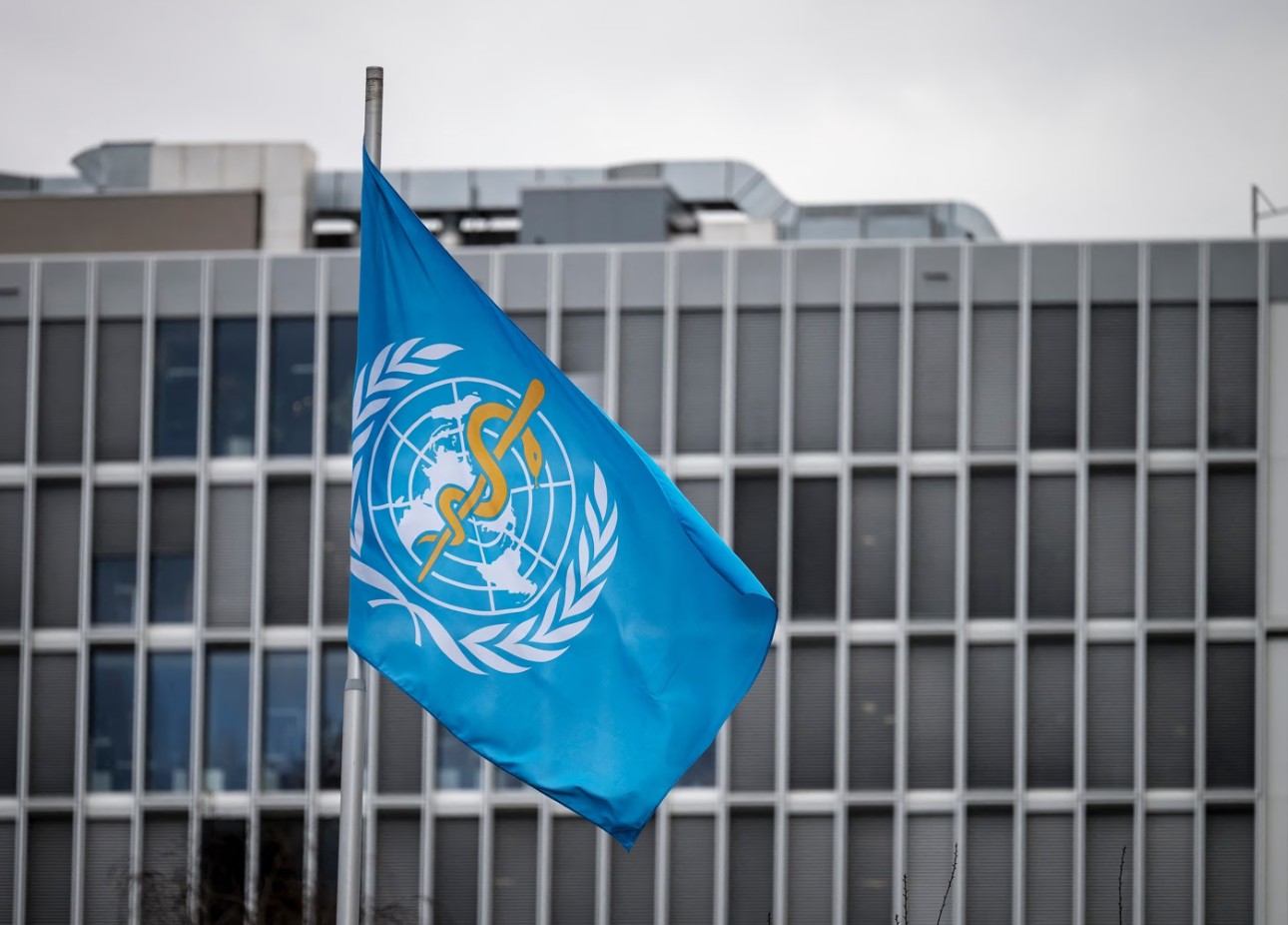
GENEVA, February 5, 2026 (WAFA) — The World Health Organization (WHO) Executive Board voted on Thursday to maintain a state of health emergency in the occupied Palestinian territories, including East Jerusalem, following a resolution passed by 27 of 34 members, reflecting international concern over the humanitarian and health crisis in Gaza.
Israel was the sole member to vote against the measure, while four members abstained and three were absent.
The board condemned repeated and direct attacks on health facilities and medical personnel, describing them as serious violations of international humanitarian law and the Geneva Conventions.
The resolution emphasized the urgent need to open immediate, safe, and unobstructed humanitarian corridors, ensure the delivery of medicines, medical supplies, and fuel, guarantee the free movement of ambulances and medical teams, and allow patients and the wounded—numbering 18,500 according to WHO—to access treatment outside Gaza.
It reaffirmed the international community’s commitment, through WHO, to protect Palestinian civilians, uphold the right to health, and ensure the continuation of humanitarian operations without politicization or coercion.
The resolution comes amid an unprecedented humanitarian and health disaster in Gaza, where ongoing attacks have caused widespread destruction to hospitals, health centers, and ambulances, in addition to direct targeting of medical and humanitarian staff.
Palestine’s permanent representative to the UN in Geneva, Ambassador Ibrahim Khreisheh, praised the countries that supported the resolution, stressing the need for joint efforts by member states and WHO to improve health conditions in Palestine.
Khreisheh highlighted a UN High Commissioner for Human Rights report citing that 1,582 doctors and relief workers were killed by Israeli forces, along with 320 Palestinian detainees who died due to medical neglect.
He stated that maintaining the health emergency is not a political choice but an urgent humanitarian necessity to ensure WHO can continue its work under its charter and protect what remains of the Palestinian health system from total collapse, despite Israeli attempts to end the emergency status.
Khreisheh noted to Israel’s continued targeting of health and humanitarian infrastructure, noting that 95% of facilities have been partially or completely destroyed, and 37 relief organizations—including 22 in the health sector—have been prevented from carrying out their missions.
M.N


