By Maysa Omar
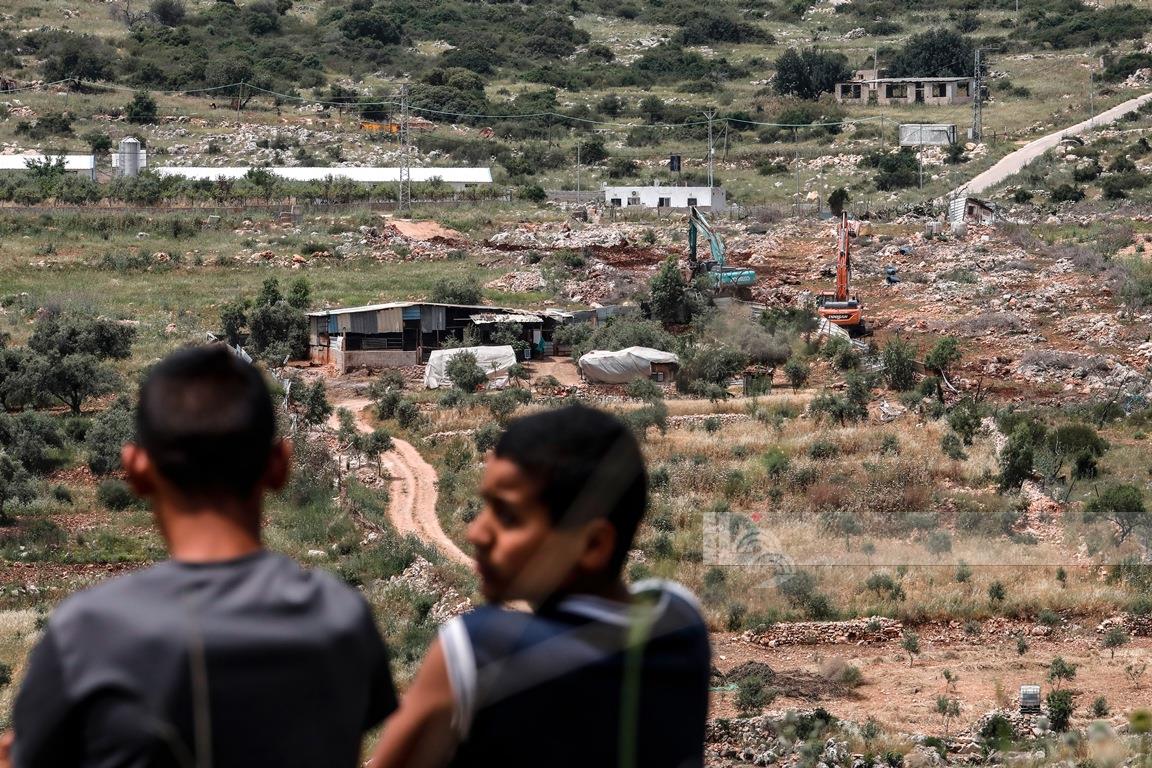
QALQILYA, June 7, 2026 (WAFA) — On a hillside overlooking the village of Jinsafut, east of Qalqilya, in the occupied West Bank, Palestinian farmers say they are facing an accelerating land takeover in the area known locally as “Khallet al-Qarnain,” where roughly 50 dunums of agricultural land have become inaccessible since October 2023.
The land, owned by residents of the village and previously cultivated with ancient olive trees, lies about 1.5 kilometers from the village center.
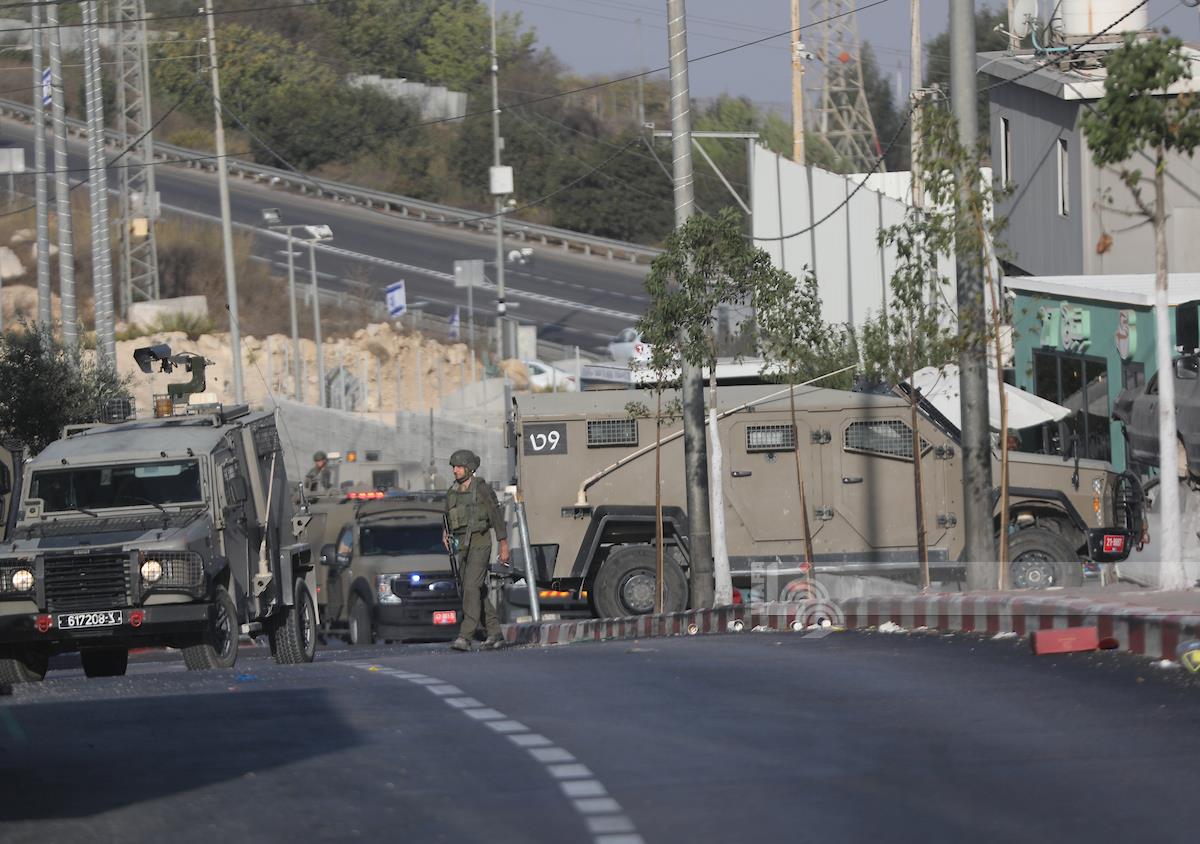
According to local accounts, access for approximately 45 farmers has been blocked since the start of the war in October 2023, with Israeli authorities citing proximity to the military outpost “Ramat Gilad” to the southwest and a nearby settlement outpost.
In recent months, residents and local officials describe a marked escalation in settlement activity, including systematic measures on the ground that they say aim to impose new territorial realities and gradually establish a new outpost at the expense of village farmland.
Saher Eid, head of the Jinsafut village council, said initial developments began about a year ago when Israeli bulldozers entered the area and carried out land leveling and road construction under the guise of security. He argued these works effectively served to expand surrounding settlement points.
Eid added that the situation intensified toward the end of May, when villagers noticed increased presence of settlers spending long daytime hours in the area, followed by the introduction of mobile homes and overnight stays. According to him, the site now contains around six mobile housing units inhabited by six settler families, alongside ongoing construction and land preparation work during nighttime hours.
He warned that the developments could have wider agricultural consequences, potentially restricting access to an additional 400 dunams of farmland adjacent to the area, in addition to the 50 dunams already affected.
Farmers from the village described the personal and economic toll of losing access to their land.
Mohammed Bashir said he has been unable to reach his five dunams of olive groves since 2023, noting that the land—passed down from his father—represented both a primary source of livelihood and a deep personal connection to his family’s history.
Another farmer, Hussam Allan, expressed concern over the possible permanent loss of his four dunams of farmland, citing the proximity of the expanding outpost and increased settler presence in the area.
Similarly, Atallah Rizq, who owns two dunums of olive trees, warned that continued restrictions and settler activity could lead to the gradual and permanent loss of agricultural land.
He called for urgent intervention to halt further expansion and protect remaining farmland from imminent seizure.
M.N