NEW YORK, February 6, 2026 (WAFA) — The United Nations said ending the deepening humanitarian catastrophe in the Gaza Strip requires the unrestricted opening of all crossings for aid delivery, warning that opening the Rafah crossing to individuals only, without humanitarian assistance, does not alter the deteriorating situation on the ground.
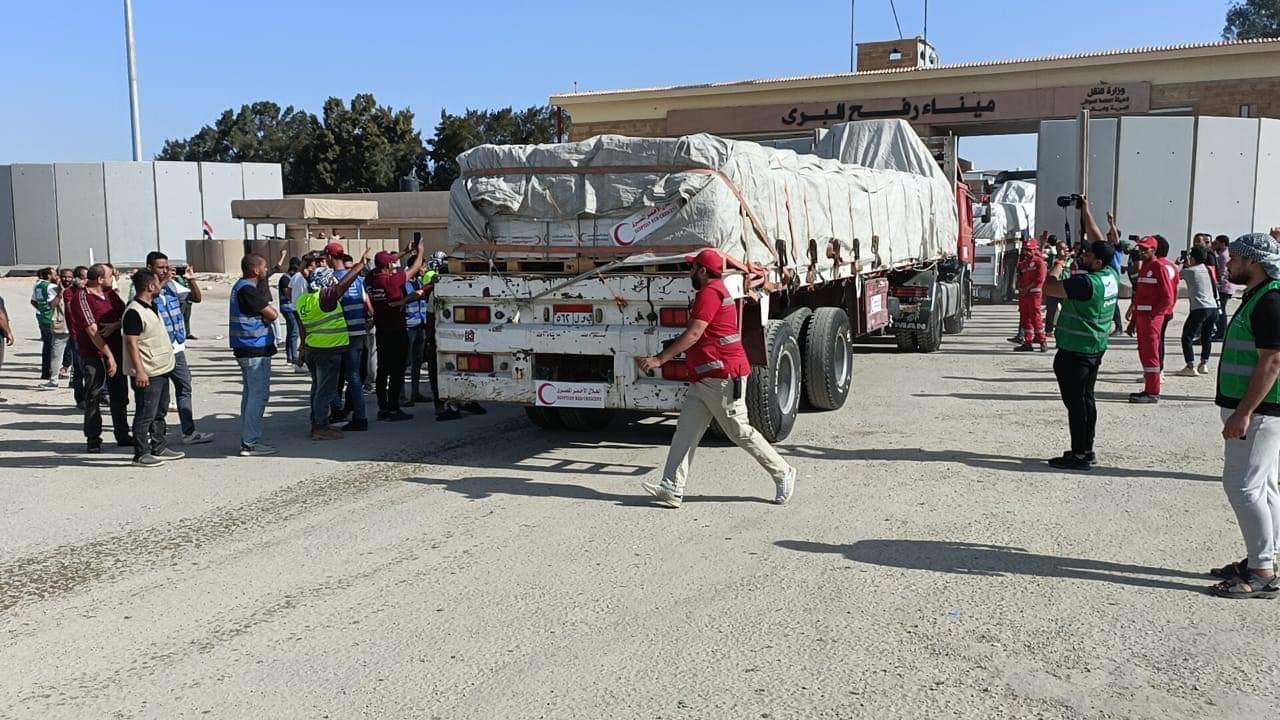
UNRWA spokesperson Jonathan Fowler said that humanitarian supplies destined for Gaza remain stuck in Egypt and Jordan, noting that Israel has been blocking their entry into the enclave since March 2025.
Fowler stressed that allowing the passage of people alone, while preventing aid deliveries, does nothing to alleviate the severe humanitarian conditions, adding that the continued obstruction of relief supplies is among the main reasons for ongoing suffering in Gaza.
He explained that the humanitarian situation saw a very limited and marginal improvement during the summer of 2025 compared with the peak of the crisis, but said the small increase in aid and commercial goods was far from compensating for the massive destruction caused by what he described as a man-made humanitarian disaster.
Fowler said children continue to suffer from hunger, medical supplies remain insufficient to meet overwhelming needs, and disease outbreaks persist amid the collapse of water and sewage systems and an acute shortage of shelter materials.
He noted that at least 600 aid trucks per day are required to sustain the population, warning that any figure below that effectively means the continuation of the crisis, particularly given restrictions on the type of aid allowed in and the limited operating hours at crossings.
Fowler also said the continued ban on UNRWA’s work following the ceasefire reflects a political choice targeting the largest humanitarian organization operating in Gaza, despite the agency’s readiness, long-standing experience, and extensive operational capacity.
He warned that restrictions imposed on civil society organizations aim to confine humanitarian work to selected actors willing to overlook violations, stressing that adherence to humanitarian principles, foremost respect for international humanitarian law, must remain non-negotiable.
M.N