CAIRO, March 15, 2010 (WAFA)- EU High Representative of the Union for Foreign and Security Policy Vice-President of the European Commission Affairs Catherine Ashton, said that the resolution of the Arab-Israeli conflict is a vital European interest.
In a speech Monday before the League of Arab States, Ashton said: As you know, the primary purpose of my visit is to show the continued importance that the European Union attaches to the resolution of the Arab-Israeli conflict. This is a vital European interest and is central to the solution of other problems in the region.
“This region does not need more conflict. It needs peace. Peace based on international law. Peace now because any delay will only make it harder to achieve,” she added.
“Solving the Arab-Israeli conflict would herald a new era for the Middle East, opening up many possibilities for regional integration and international cooperation,” she argued. My message to you today is that by working together, with determination and partnership there can be peace. A comprehensive peace, including Syria, Lebanon and the implementation of the offer in the Arab Peace Initiative. A deal that provides sustainable security for all.”
“We know that peace is about more than signing agreements on borders and security arrangements” Ashton said. “It is about compromise and reconciliation; about co-operation across borders and shared security. We must aim for a comprehensive peace in which all people in the region can share.”
“Everyone has to make their contribution and take their responsibility,” she added. “As the European Union we have a firm commitment to the security of Israel; and we stand up for a deal that delivers justice, freedom and dignity to the Palestinians.”
“The parameters of a negotiated settlement are well known. A two-state solution with Israel and Palestine living side by side in peace and security,” she said. “Our aim is a viable State of Palestine in the West Bank including East Jerusalem and the Gaza strip, on the basis of the 1967 lines.”
If there is to be a genuine peace, she stressed, “ a way must be found to resolve the status of Jerusalem as the future capital of Israel and Palestine. And we need a just solution of the refugee issue.”
“The possibility of proximity talks could be the beginning of a new opportunity to find a solution” she added. “But we must be clear: talks not for the sake of talks. We want results and genuine commitment, not a re-stating of well-known positions. We need a process that leads to outcomes. Recent Israeli decisions to build new housing units in East Jerusalem have endangered and undermined the tentative agreement to begin proximity talks .'
“The EU position on settlements is clear. Settlements are illegal, constitute an obstacle to peace and threaten to make a two-state solution impossible. A solution that the Israeli Prime Minister says he supports. He is right, and these talks are urgent. Urgent because I fear for the future. Urgent, because Israel has a popular Prime Minister who owes it to his people to move to the solution he supports. Urgent, because the Palestinians, despite everything, and with your and our support, are willing to engage. But there are many obstacles. The decision to list cultural and religious sites based in the occupied Palestinian territory as Israeli is counter-productive,” she added.
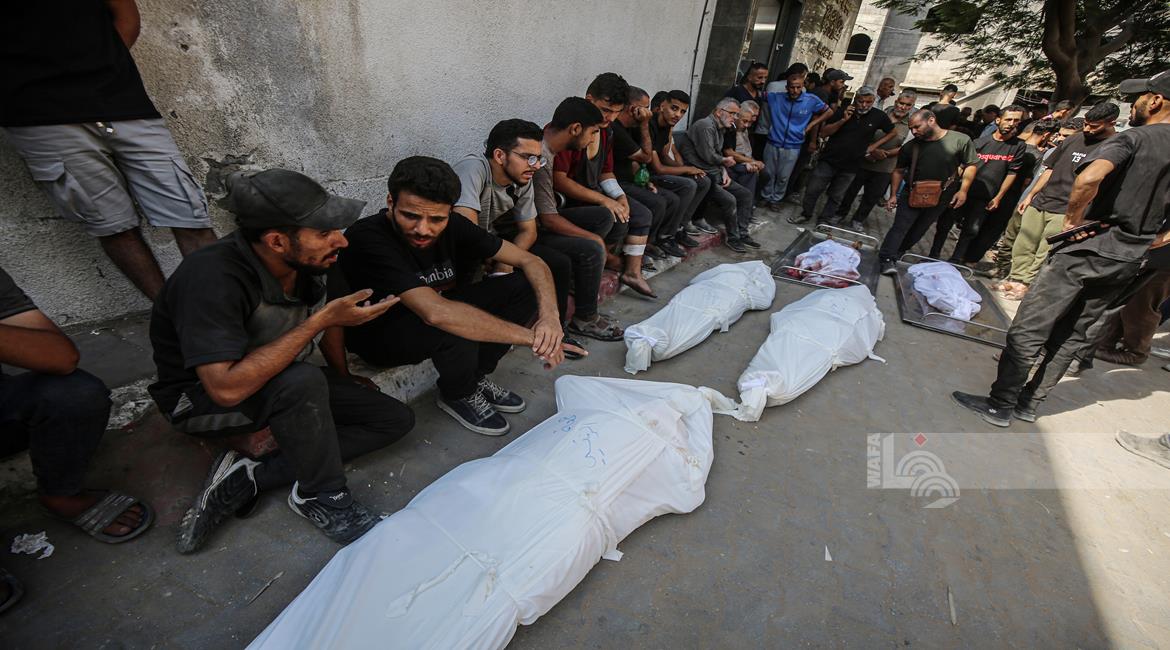
“The blockade of Gaza is unacceptable. It has created enormous human suffering and greatly harms the potential to move forward,” she emphasized. “I will travel to Gaza myself to meet with the population and at the same time assess how our support is working on the ground.”
“The Palestinians also have responsibilities. First however I want to commend President Abbas and Prime Minister Fayyad for showing us that they can build the institutions of a future Palestinian State. But the Palestinians must get their house in order. Continued Palestinian divisions do not serve their interests,” she said.
“The political and physical separation between Gaza and the West Bank is dangerous. Palestinian reconciliation is more crucial than ever,” Ashton concluded. “The PLO must take its responsibilities in this regard, and face the challenge of renewal and reform.”