RAMALLAH, May 3, 2026 (WAFA) — Prisoner and human rights institutions said on Sunday that over nearly three years of ongoing genocide against the Palestinian people, Israel has intensified systematic targeting of journalists as part of a broader policy aimed at silencing the Palestinian voice and erasing its narrative.
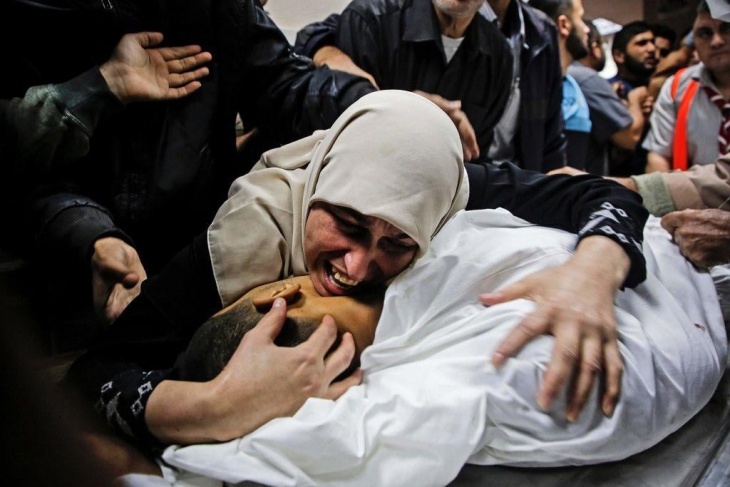
In a report issued on World Press Freedom Day, the Commission of Detainees Affairs, the Palestinian Prisoners’ Society, and the Al-Dameer Association for Human Rights said the targeting has included direct killings, arbitrary detentions, systematic harassment, and threats, marking one of the most lethal periods in the history of Palestinian journalism.
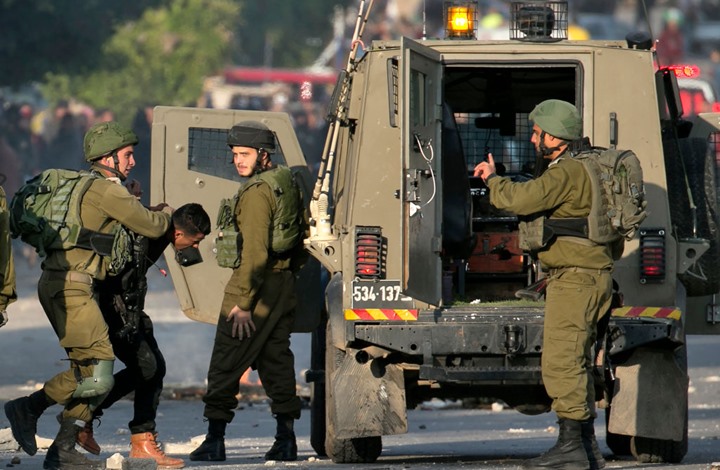
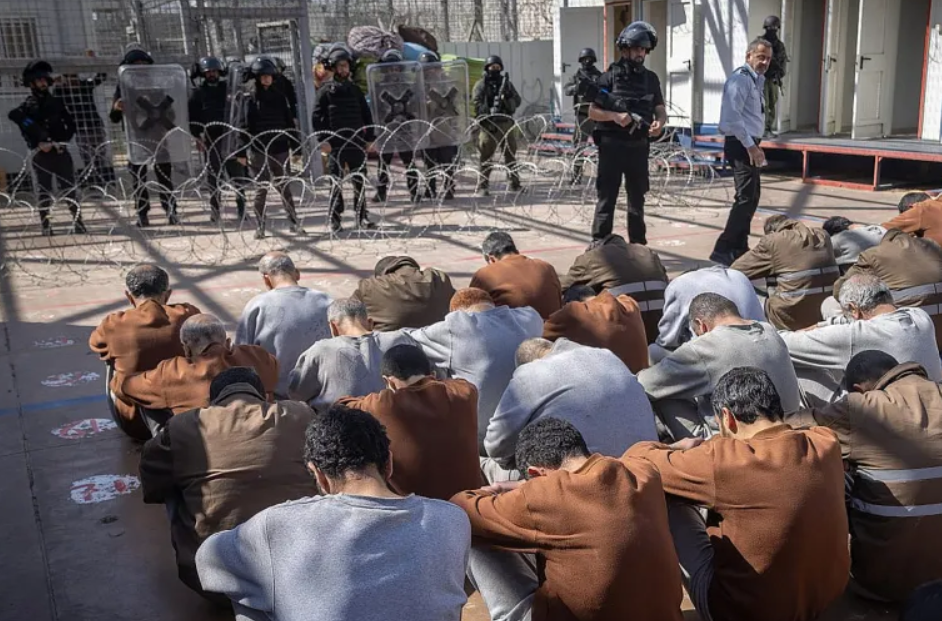
The institutions said that since the start of the war, more than 260 journalists have been killed, while over 240 have been detained, with more than 40 still in custody. They noted that among those detained are 20 journalists held under administrative detention without charges or trial on the basis of “secret files,” including four women journalists.
They identified recent detainee Islam Amarneh, detained from Dheisheh refugee camp in Bethlehem, as part of this pattern of continued targeting, noting she is the sister of another journalist held under administrative detention.
They added that at least 14 journalists from Gaza remain detained, while two others — Nidal al-Wahidi and Haitham Abdel Wahed — remain forcibly disappeared, in a grave violation of international law.
The report also cited the death of journalist Marwan Harzallah in March 2026 inside Megiddo prison, saying he died due to a policy of medical neglect despite his known health condition, including a previous injury that led to the amputation of one of his legs.
The institutions also referred to cases of forced house arrest, including journalists Sumayya Jawabreh and Bayan al-Ju’ba, as well as systematic bans and restrictions on journalists in Jerusalem, particularly around Al-Aqsa Mosque, including forced removal, reporting bans, harassment, and intimidation.
They said the targeting of journalists is part of a long-standing policy against the Palestinian narrative, which has intensified during the ongoing war, as journalists play a key role in documenting and exposing events to the world.
The report documented testimonies from detained journalists describing a systematic campaign of torture inside Israeli prisons and detention centers, including physical and psychological abuse, starvation, sexual violence, humiliation, denial of medical care, and harsh detention conditions, including isolation and denial of Red Cross visits.
It also highlighted the deteriorating health of released journalists, including Majed Bani Muflih, who suffered a brain hemorrhage after release, and Ali al-Sammoudi, who lost around 60 kilograms during one year in administrative detention.
The institutions stressed that targeting journalists through killing, detention, or enforced disappearance violates international human rights law, including Article 19 of the Universal Declaration of Human Rights and the International Covenant on Civil and Political Rights, as well as the protections granted under the Geneva Conventions. They added that such acts may constitute war crimes and crimes against humanity under the Rome Statute when carried out as part of a widespread or systematic attack against civilians.
M.N