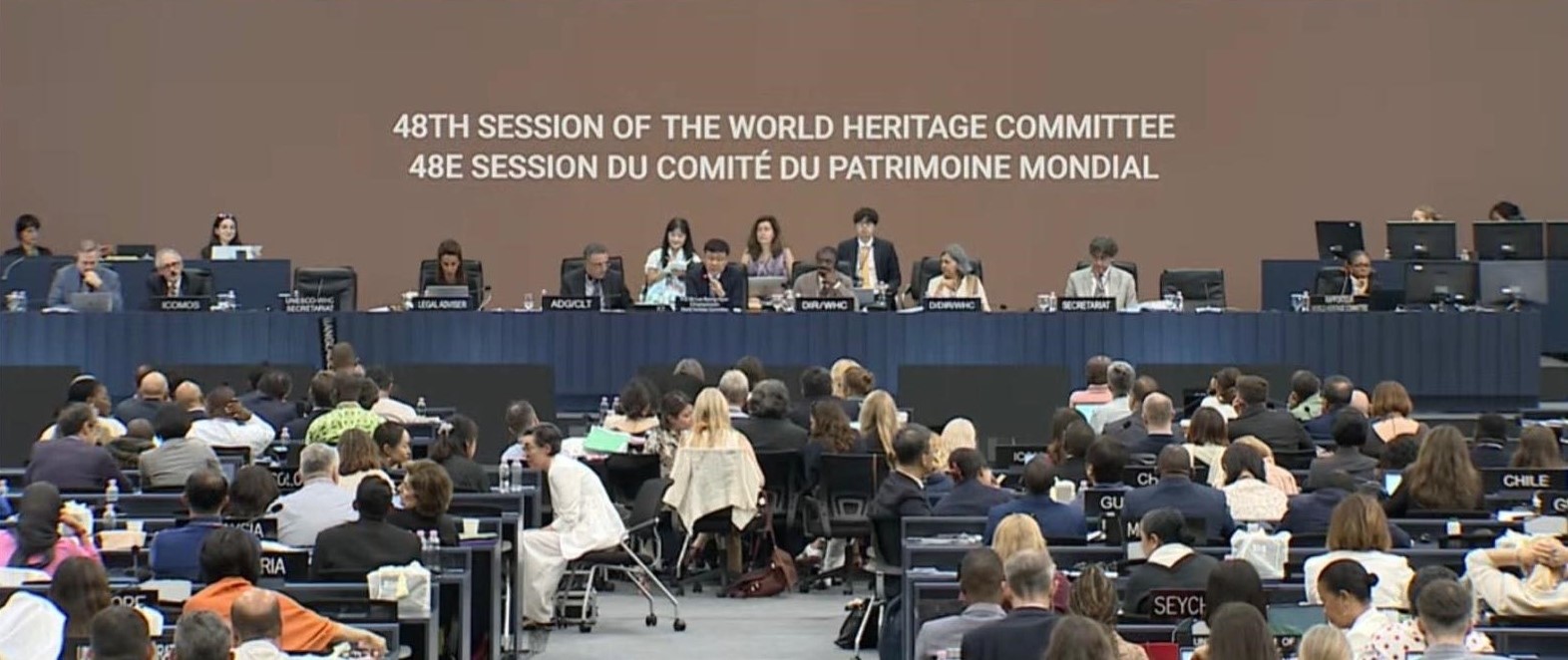
BUSAN, July 22, 2026 (WAFA) – The World Heritage Committee of the United Nations Educational, Scientific and Cultural Organization (UNESCO) adopted by consensus four decisions concerning the State of Palestine related to the state of conservation of Palestinian World Heritage sites inscribed on the List of World Heritage in Danger.
The decisions, adopted during the 48th session of the Committee held in Busan, Republic of Korea, from July 19 to 29, 2026, covered the Old City of Jerusalem and its Walls, Hebron/Al-Khalil Old Town, Saint Hilarion Monastery/Tell Umm Amer in the Gaza Strip, and Palestine: Land of Olives and Vines – Cultural Landscape of Southern Jerusalem, Battir.
The Committee reaffirmed the exceptional religious and cultural significance of the Old City of Jerusalem and its Walls for the three monotheistic religions and maintained the four Palestinian sites on the List of World Heritage in Danger.
It affirmed the invalidity of all legislative and administrative measures taken by Israel with the aim of changing the character and legal and historical status of these sites, including the so-called "Basic Law" on Jerusalem, deeming them null and void and without any legal effect.
The Committee called for the urgent dispatch of reactive monitoring missions to the Old City of Jerusalem and its Walls and Hebron/Al-Khalil Old Town, in cooperation with the World Heritage Centre and the International Council on Monuments and Sites (ICOMOS) to conduct professional and independent assessments of the state of conservation of the two sites and provide recommendations necessary to protect their authenticity, integrity, and outstanding universal value.
In his address, Palestine’s Permanent Representative to UNESCO, Ambassador Adel Atieh, warned that these violations are part of a systematic Israeli policy aimed at expanding colonization and seizing Palestinian land through control over cultural heritage sites, imposing a policy of Judaization in occupied Jerusalem, and continuing attacks on Islamic and Christian holy sites.
He also addressed recent Israeli attacks on the Ibrahimi Mosque in Hebron, including construction works and the installation of a roof at one of its entrances without the approval of the State of Palestine or coordination with UNESCO, considering these actions a violation of the World Heritage Convention and international rules concerning the protection of cultural property in the occupied Palestinian Territory.
He called on UNESCO and member states to assume their political and legal responsibilities, work to halt Israeli violations, and hold Israel, the occupying power, accountable for its violations of relevant international agreements and resolutions.
The State of Palestine affirmed that protecting Palestinian cultural heritage, both tangible and intangible, is a collective international responsibility that requires preserving it as authentic human heritage, safeguarding it from destruction, distortion, and falsification, and ensuring respect for its existing historical and legal status in the occupied Palestinian Territory.
Ambassador Atieh expressed his appreciation to the countries that supported the adoption of these decisions, stressing that Palestine will continue working with UNESCO, its specialized bodies, and member states to follow up on their implementation, document violations, and mobilize the necessary international technical and legal support to protect and preserve Palestinian cultural heritage for future generations.
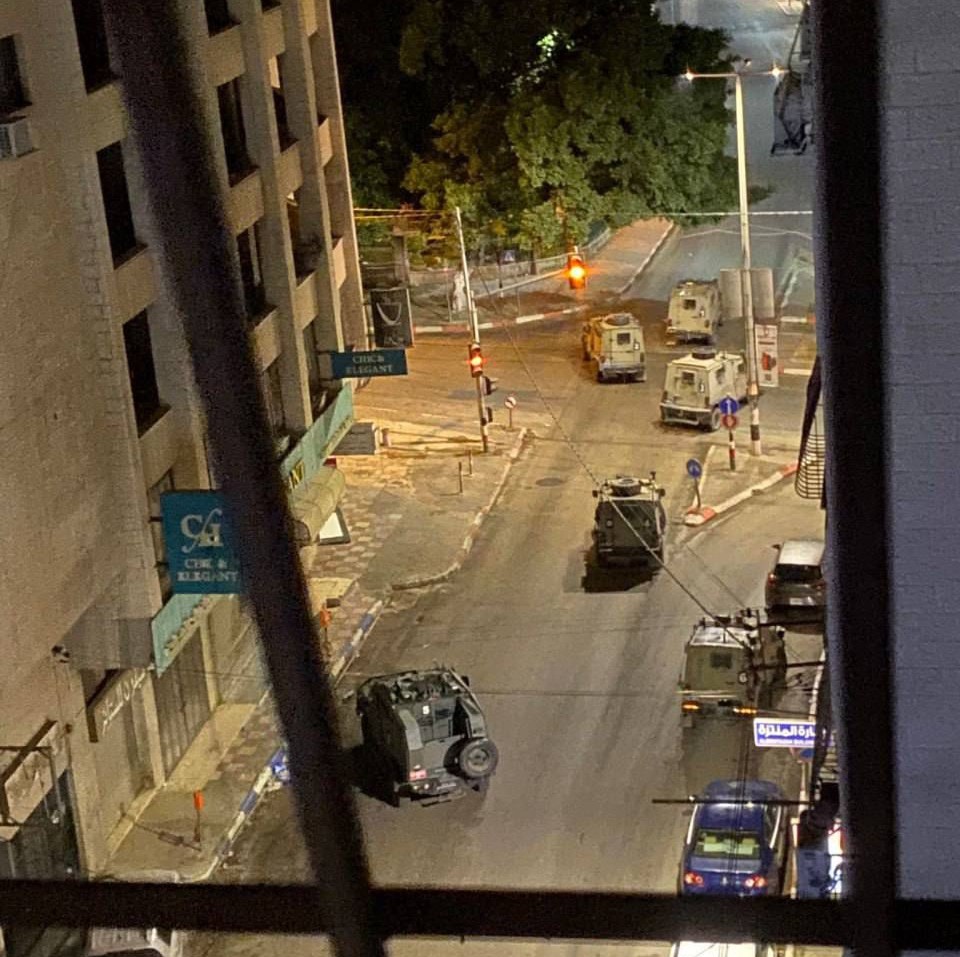
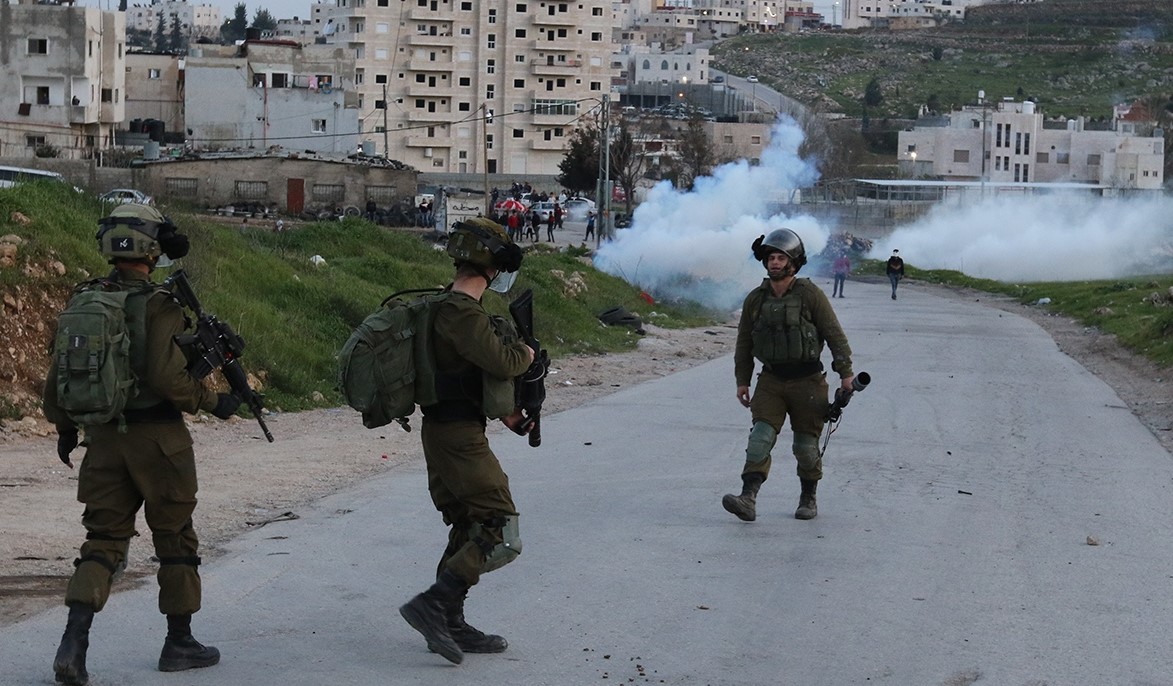
The decisions come amid escalating Israeli attacks on Palestinian cultural heritage sites, including sites inscribed on the World Heritage List and the List of World Heritage in Danger, as well as ongoing attempts to falsify, distort, and desecrate these sites, alongside continued violations of UNESCO’s mandate and international law.
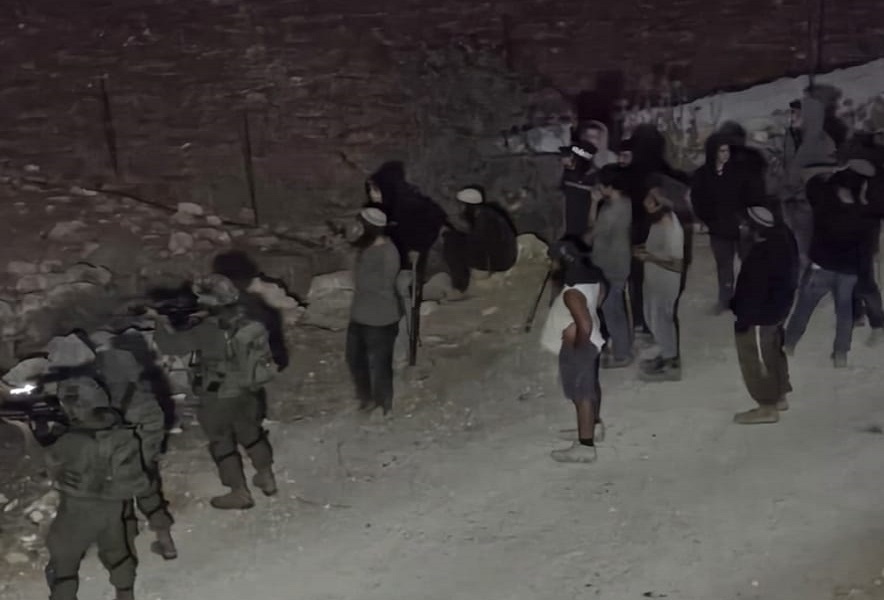
These violations are particularly evident in occupied Jerusalem, through the undermining of freedom of worship and access to holy sites, ongoing colonists’ incursions into Al-Aqsa Mosque, and repeated attacks on Islamic and Christian holy sites.
T.R.