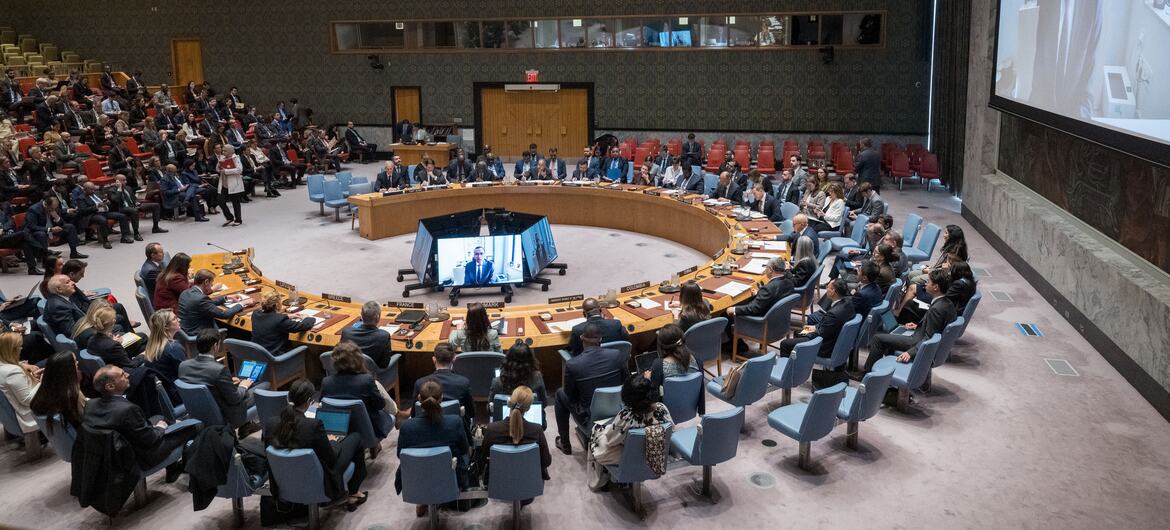
NEW YORK, April 28, 2026 (WAFA) – The United Nations Security Council on Tuesday held a meeting at its headquarters in New York on the situation in the Middle East, including the Palestinian cause.
The meeting was chaired by Bahrain’s Minister of Foreign Affairs Abdullatif Al Zayani, as Bahrain holds the presidency of the Security Council for the month of April, with the participation of Palestinian Minister of Foreign Affairs and Expatriates Varsen Shahin.
Addressing the Security Council, Minister of Foreign Affairs and Expatriates Shahin said that after all this amount of death, destruction, displacement, and devastation, it is time for life, recovery, revival, and reconstruction.
She reaffirmed the vision based on one state, one government, one law, and one weapon, and the need for a complete Israeli withdrawal from the Gaza Strip.
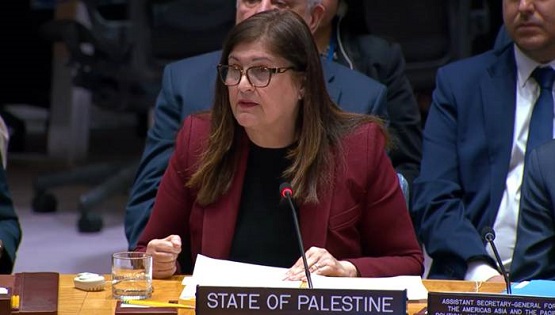
She stressed that Gaza is an integral part of Palestine and that transitional arrangements must lead to the reunification of the West Bank and Gaza under the umbrella of the Palestinian Authority, ultimately enabling the Palestinian people to exercise their right to self-determination and establish their independent state.
She noted that these efforts must not be obstructed by policies of forced displacement and annexation, stressing that annexation is a crime against peace and is rejected by the world.
She emphasized that peace can only be achieved between equals and must be based on mutual recognition, justice rather than revenge, a vision for the future rather than the perpetuation of the harms of the past, and a shared humanity in which all enjoy the same rights and every life is sacred.
For his part, Bahrain’s Minister of Foreign Affairs Abdullatif Al Zayani reaffirmed the Kingdom of Bahrain’s position on the importance of implementing Security Council Resolution (2803), considering it a binding reference for ending the war on the Gaza Strip.
He emphasized that achieving stability and peaceful coexistence in the region requires respect for the existing legal and historical status in Jerusalem, the protection of religious holy sites, a categorical rejection of any attempts at forced displacement or changes to the demographic composition, and an end to illegal settlement expansion in the West Bank.
For his part, Russia’s Permanent Representative to the United Nations, Vasily Nebenzya, said that the Palestinian issue remains at the core of the Middle East peace process, warning that without a just solution, lasting peace and security cannot be achieved.
He added that the current Israeli leadership not only rejects but also consistently works to undermine the basic principles of settlement outlined in numerous UN Security Council and General Assembly resolutions, foremost among them the two-state solution.
Assistant Secretary-General of the United Nations for the Middle East and Asia-Pacific in the Departments of Political and Peacebuilding Affairs and Peace Operations, Khaled Khiari, said that tensions and hostilities that have swept the Middle East over the past weeks have diverted attention away from the situation in the occupied Palestinian Territory, where the situation in Gaza and the West Bank, including East Jerusalem, is witnessing a steady deterioration.
Khiari warned that the ceasefire in Gaza is becoming increasingly fragile amid continued Israeli strikes.
He said that civilians continue to bear the heaviest burden of ongoing violence, and that humanitarian needs on the ground remain immense, stressing that plans must be advanced urgently, not only with regard to humanitarian aid, but also for early recovery and reconstruction.
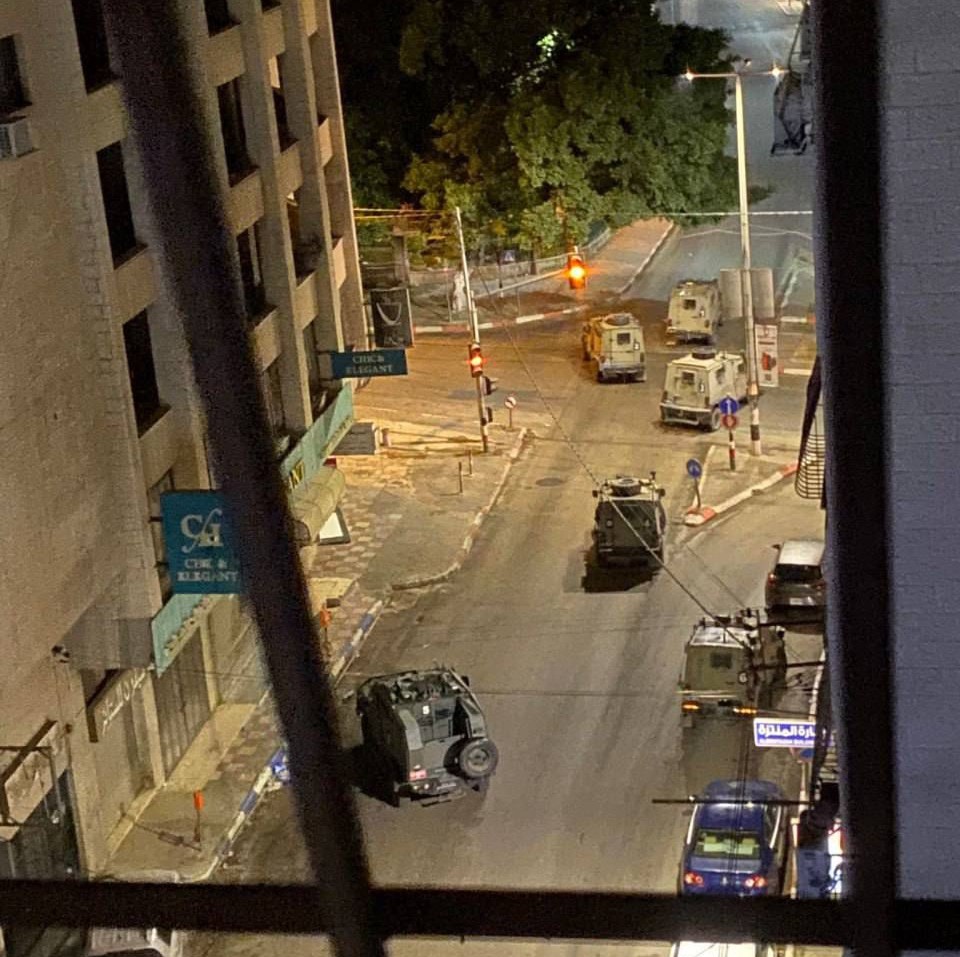
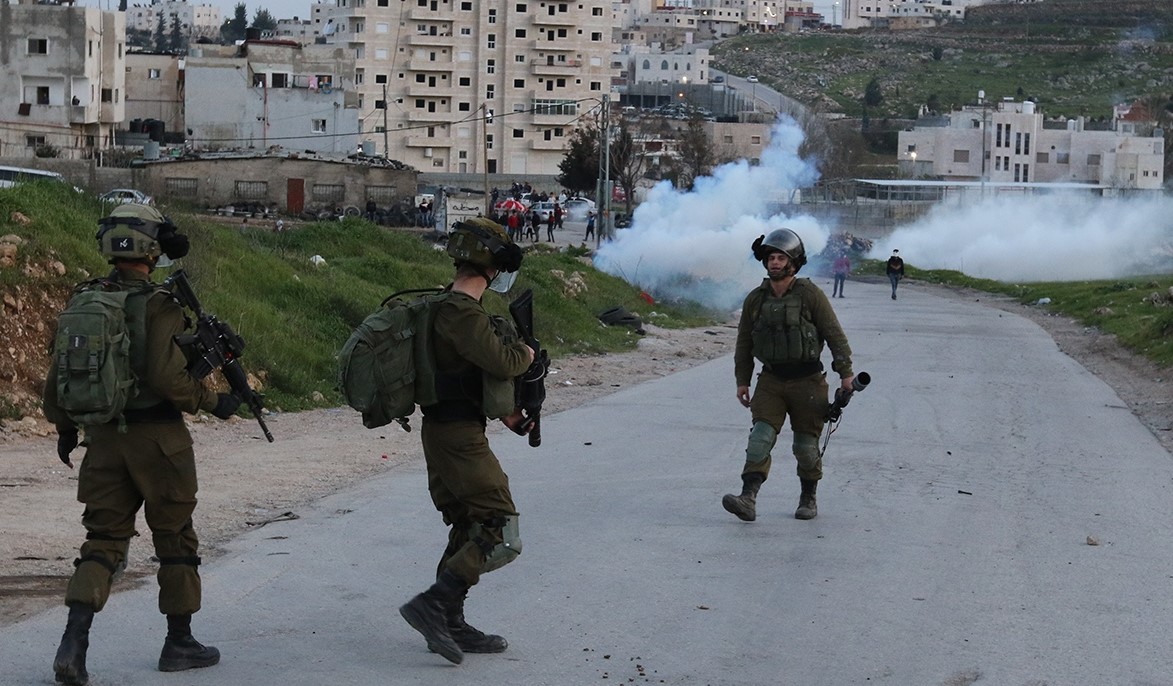
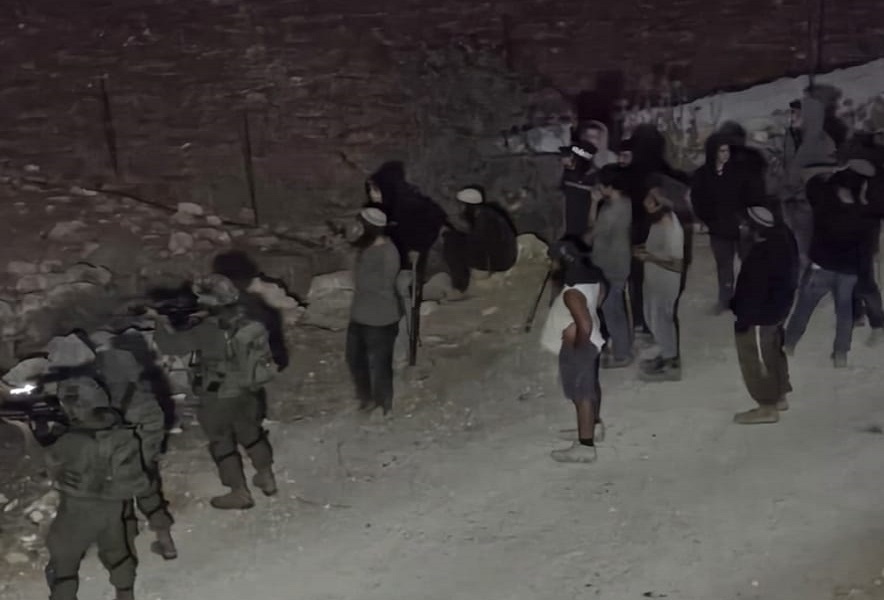
Regarding the situation in the West Bank, the UN official said that violence, including widespread colonists’ violence, displacement operations, and the accelerating pace of settlement activity, threatens entire communities and further erodes prospects for reaching a political process leading to the resolution of the conflict based on a viable two-state solution.
He reported that, in the period between 14 March and 16 April, the Israeli authorities advanced plans to build 1,080 housing units in the West Bank, including 680 units in several settlements located in Area C, and 400 housing units in East Jerusalem.
He further noted that, over the same period, colonists and Israeli occupation forces killed 21 Palestinians, including six children, and injured 310 others, including 45 children.
The UN official pointed out that the situation in refugee camps in the northern West Bank remains concerning, adding that economic conditions continue to deteriorate across the West Bank.
In a positive development, he said Palestinians on 25 April seized an important opportunity to exercise their democratic rights by participating in local elections in most parts of the West Bank, as well as in Deir al-Balah in the Gaza Strip.
T.R.