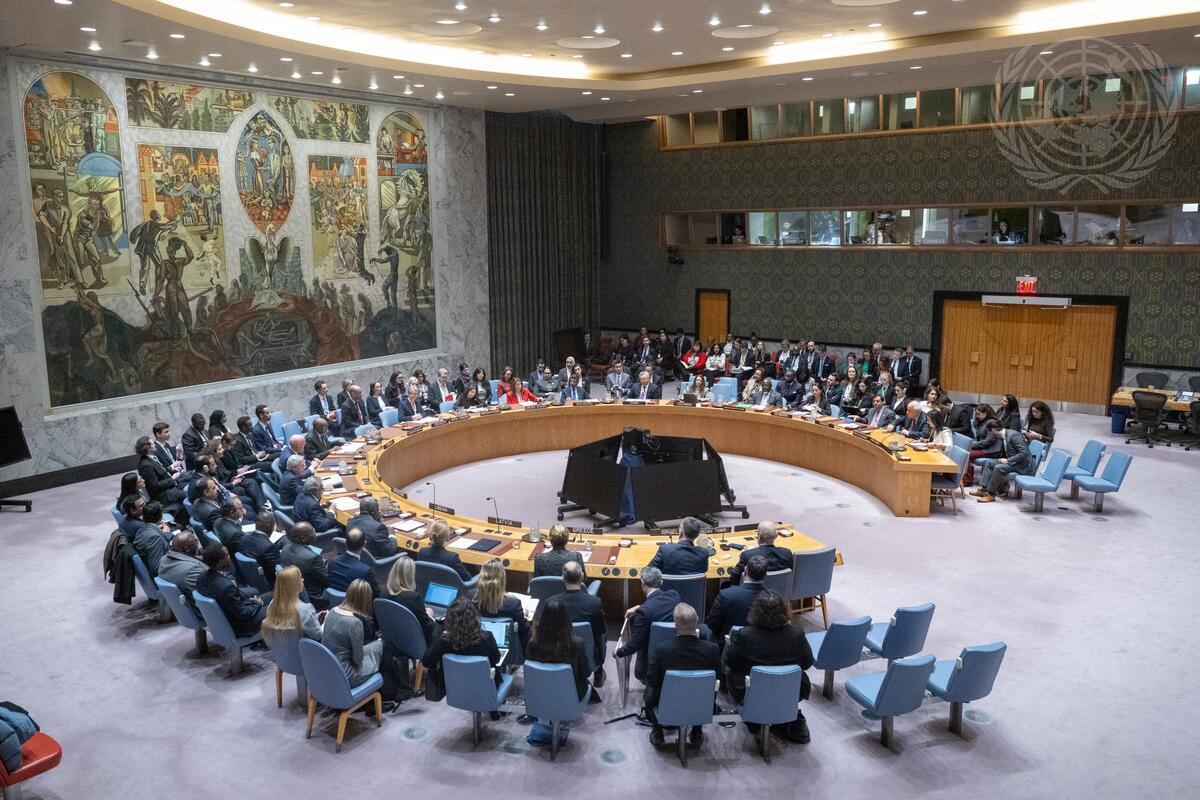
NEW YORK, February 18, 2026 (WAFA) – The UN Security Council held a ministerial meeting Wednesday evening to discuss the situation in the Middle East, including the Palestinian issue.
The meeting was presided over by Yvette Cooper, Secretary of State for Foreign, Commonwealth and Development Affairs of the United Kingdom, whose country holds the Council presidency for February.
The meeting comes three days after the Israeli occupation government decided to resume land registration procedures in Area C of the occupied West Bank, a move that drew widespread international condemnation.
On 8 February, Israel’s security cabinet approved measures tightening control over Areas A and B in the occupied West Bank, easing land acquisition procedures and expanding Israeli administrative authority. A further 15 February decision authorized a land registration process in Area C – around 60 per cent of the West Bank – requiring Palestinians to prove land ownership or risk confiscation.
In the briefing presented to the Council at the start of the meeting, Under-Secretary-General Rosemary DiCarlo said, 'This is a pivotal moment in the Middle East,” stressing that after years of conflict, there is now an opening that could allow the region to move in a different direction.
Decisions – to be taken by the parties and the Council alike – will determine whether it is sustained.,” she added.
For peace to last, she said, efforts must now consolidate the ceasefire in Gaza, alleviating the suffering and making progress towards stabilization and recovery, in line with international law.
“The Board of Peace meeting in Washington, D.C., tomorrow is an important step,” she assured.
She echoed the Secretary-General’s grave concern over the Israel's decision to authorize enforcement measures and transfer of authorities in Areas A and B.
“If implemented, these measures will constitute a dangerous expansion of Israeli civil authority in the occupied West Bank,” she stressed.
She said: The 15 February decision to resume land registration procedures in Area C threatens to dispossess Palestinians of their property.
She called on Israel to "immediately reverse" them.
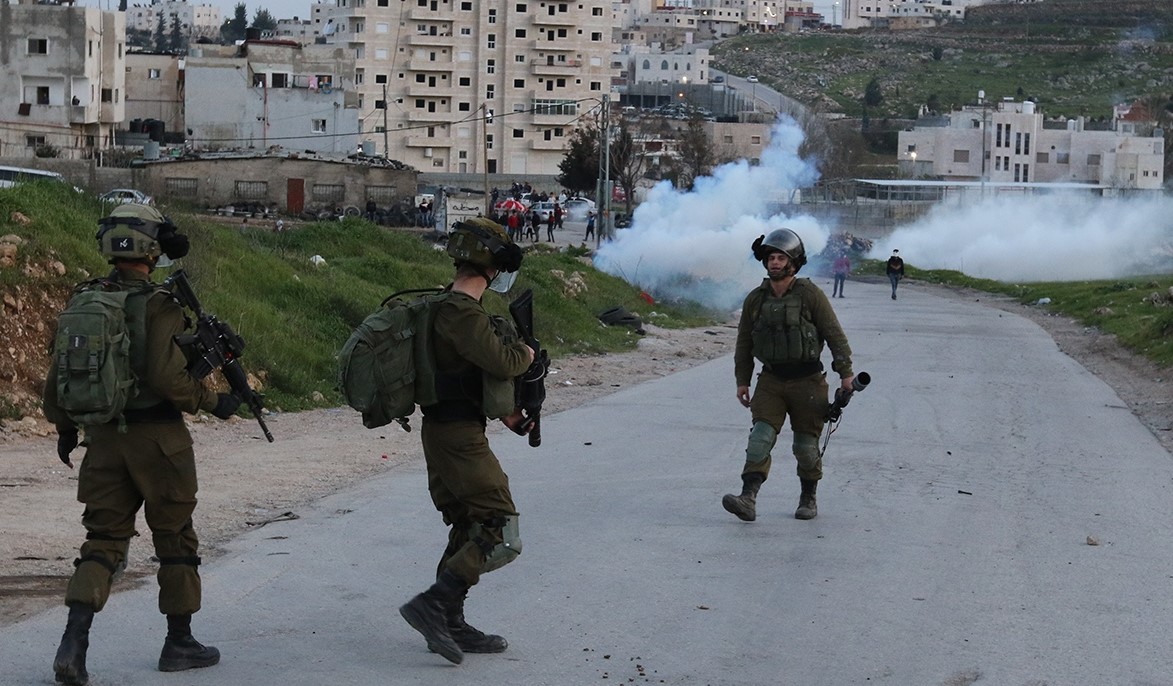
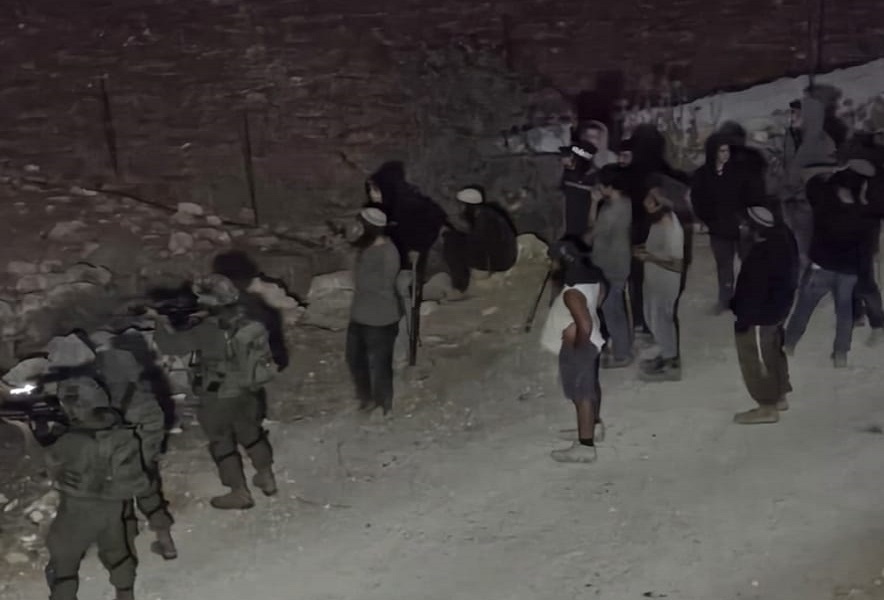
Regarding the situation in the West Bank, she said: In the West Bank, large-scale operations and widespread raids have been accompanied by home takeovers, mass detentions, movement restrictions and repeated displacement of Palestinian families, particularly in the north.
The Russian Federation’s delegate described Israel’s adoption of measures for Areas A, B and C of the West Bank as a "blatant attempt” to give itself “carte blanche” to irrevocably change the status quo in the West Bank, including by “entrenching creeping expansion” and expelling the local population.
If implemented, they will be a direct breach of the 1995 Oslo II Agreements, including the 1997 Hebron Protocol and the 1998 Wye River Memorandum, all signed by Israel’s current Prime Minister and ratified by the Knesset,” he said.
Mohammad Ishaq Dar, Deputy Prime Minister and Minister for Foreign Affairs of Pakistan, said his country is “fully engaged” in diplomatic efforts aimed at permanent cessation of hostilities and a just resolution of the conflict.
He said: In joint statements on 7 and 17 February, the foreign ministers of the Group of Eight Arab and Islamic countries – Egypt, Jordan, Qatar, Saudi Arabia, United Arab Emirates, Indonesia, Türkiye and Pakistan - condemned in the strongest terms Israel’s recent decisions to expand control over the West Bank.
"These illegal measures are null and void,” he insisted, and a clear violation of international law, particularly the Fourth Geneva Convention, Council resolution 2334 (2016) and the 2024 advisory opinion of the International Court of Justice.
“We have an international determination to deliver Phase II of the peace plan”, said Yvette Cooper, Secretary of State for Foreign, Commonwealth and Development Affairs of the United Kingdom - Council President for February.
“Gaza must not get stuck in a no-man’s land between peace and war,” she insisted.
She called for decommissioning Hamas’s weapons, stressing that “Hamas must have no future role in the running of Gaza."
She likewise called for preventing the destabilization of the West Bank.
“The international community must stand together against any attempt to alter the demographic composition of the Palestinian territories by force or coercion,” said Somalia’s representative.
He strongly condemned Israel’s recent move to recognize a secessionist group in Somalia's northwest as an independent entity and reported plans to forcibly transfer Palestinians to his country.
These measures blatantly infringe on Somalia's sovereignty, unity and territorial integrity, he said.
The representative of the United States, said Phase II will build upon progress achieved in Phase I.
He said: The National Committee for the Administration of Gaza, meanwhile, has already delivered results, with the 2 February announcement that the Rafah crossing has been reopened.
He added: In addition, 4,200 trucks have entered Gaza each week for over three months, surpassing the benchmark established by the United Nations.
He called on all parties to support the Board of Peace, established by the Council resolution 2803 (2025), noting that tomorrow it will announce over $5 billion in pledges for rebuilding.
T.R.