RAMALLAH, February 2, 2026 (WAFA) – The Commission of Detainees Affairs and the Palestinian Prisoner's Society mourned on Monday the released Palestinian prisoner and educator Khaled Al-Saifi, 67, from Dheisheh refugee camp in Bethlehem, who died just one week after his release from Israeli occupation prisons.
In a joint statement, the Commission and the Prisoner’s Society said that Al-Saifi was released in critical health condition as a result of what he endured during his most recent detention, which lasted four months under arbitrary administrative detention. They noted that prison authorities administered him with an injection they claimed was for influenza, which caused him severe inflammation, followed by another injection that necessitated his transfer to the Ramleh Prison Clinic.
The two institutions said the case falls within Israel’s policy of “slow execution” against prisoners, stressing that his release came only after prison authorities became certain of the severity of his health condition.
They affirmed that Al-Saifi, founder and director of the Ibda’a Cultural Center and one of the most prominent cultural, social, and political figures in Dheisheh camp, was a constant target of the occupation. He had been placed in administrative detention, without charges or trial, twice since the start of the war, despite his advanced age and deteriorating health, reflecting Israel’s determination to physically eliminate him.
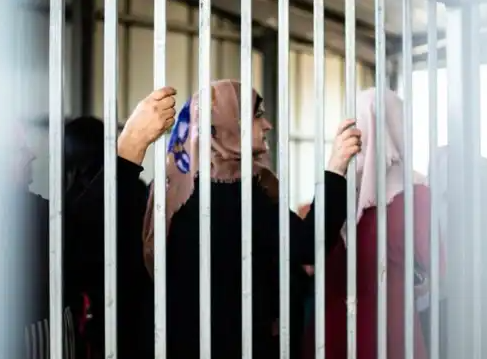
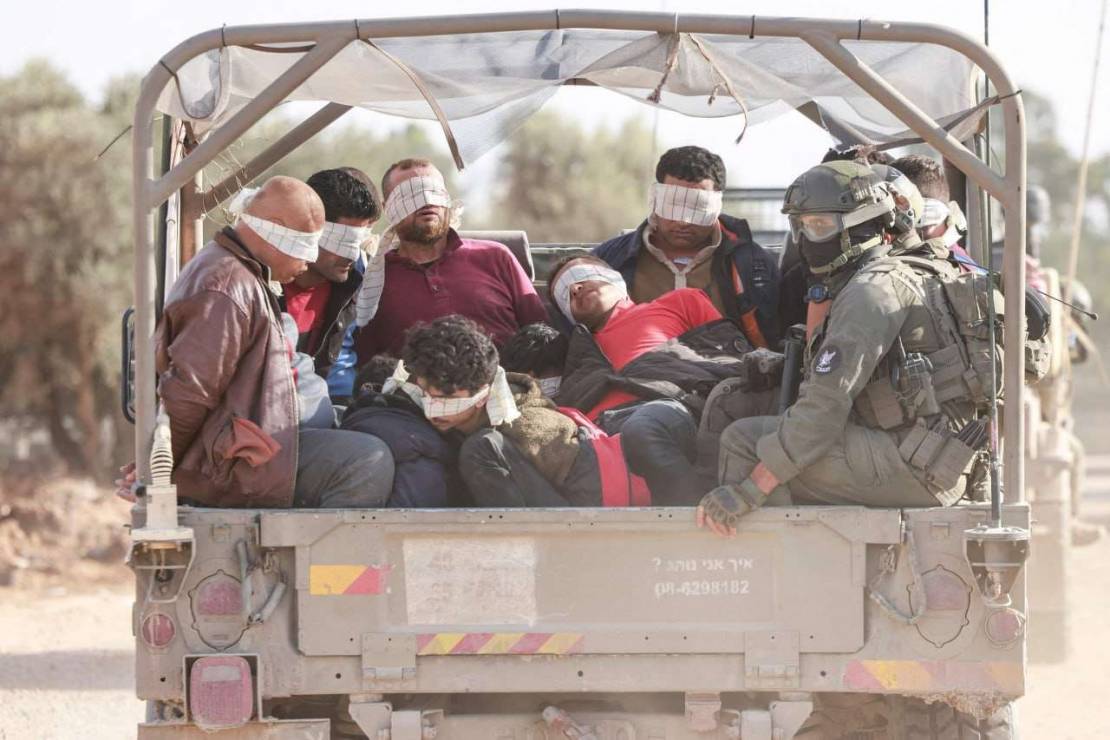
The statement added that Al-Saifi had been repeatedly detained since the 1980s and was one of thousands of former prisoners who spent years behind bars under the administrative detention policy, which has reached unprecedented levels since the start of the Israeli genocide. Israel currently holds more than 3,380 administrative detainees without charges or trial, including children and women, with the complicity of military courts.
The institutions stressed that crimes against detainees do not end with their release, as many freed prisoners suffer from severe health and psychological conditions, undergo complex surgeries, and live with chronic illnesses and trauma as a result of torture and physical and sexual abuse.
They held the Israeli occupation fully responsible for the death of Al-Saifi, affirming that he was killed with premeditation. They noted that more than 100 prisoners have died since the start of the war, including 87 whose identities have been announced, while dozens remain victims of enforced disappearance, amid the continued adoption by the Israeli government of policies and legislation that promote the execution of prisoners.
M.N