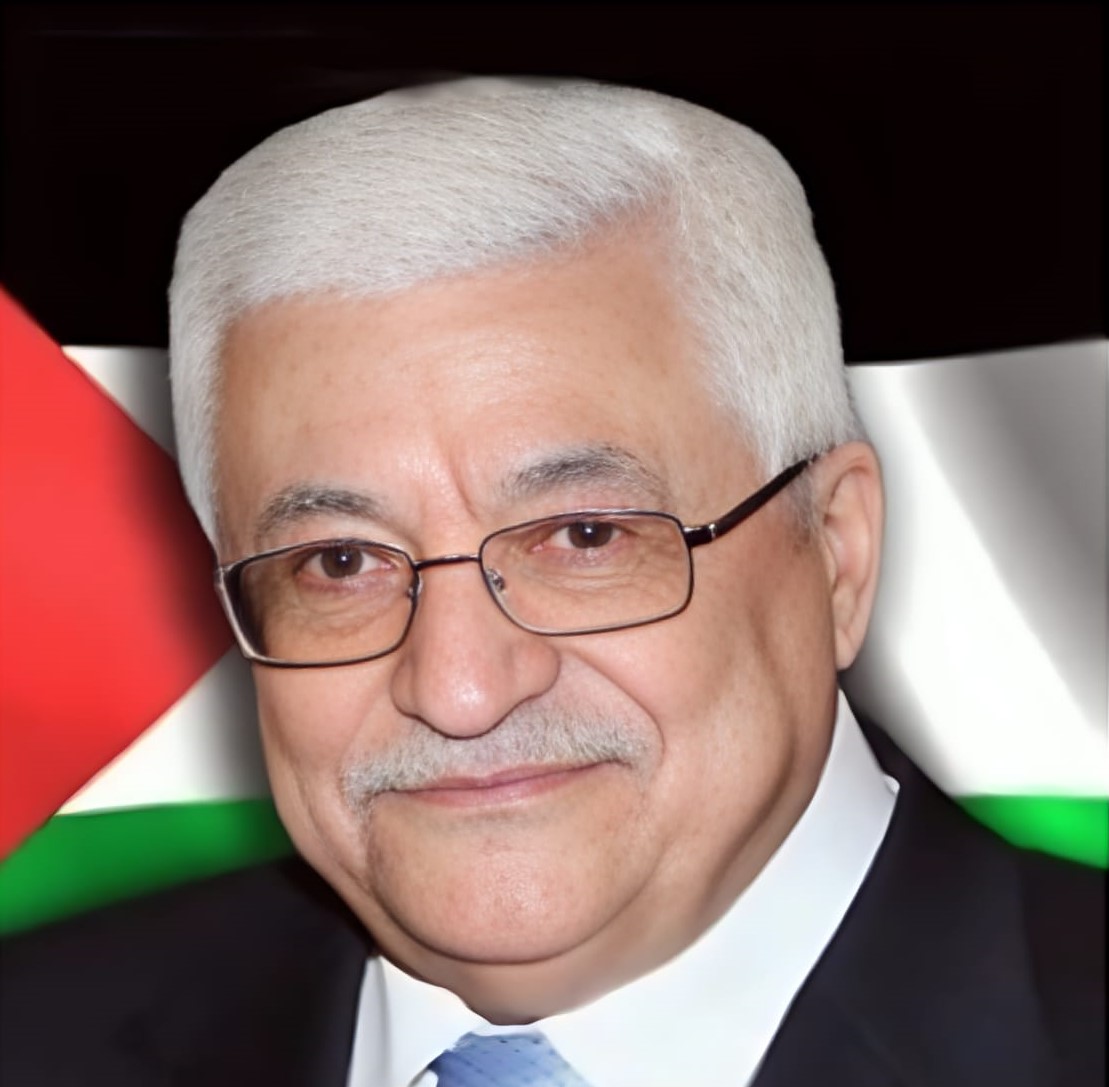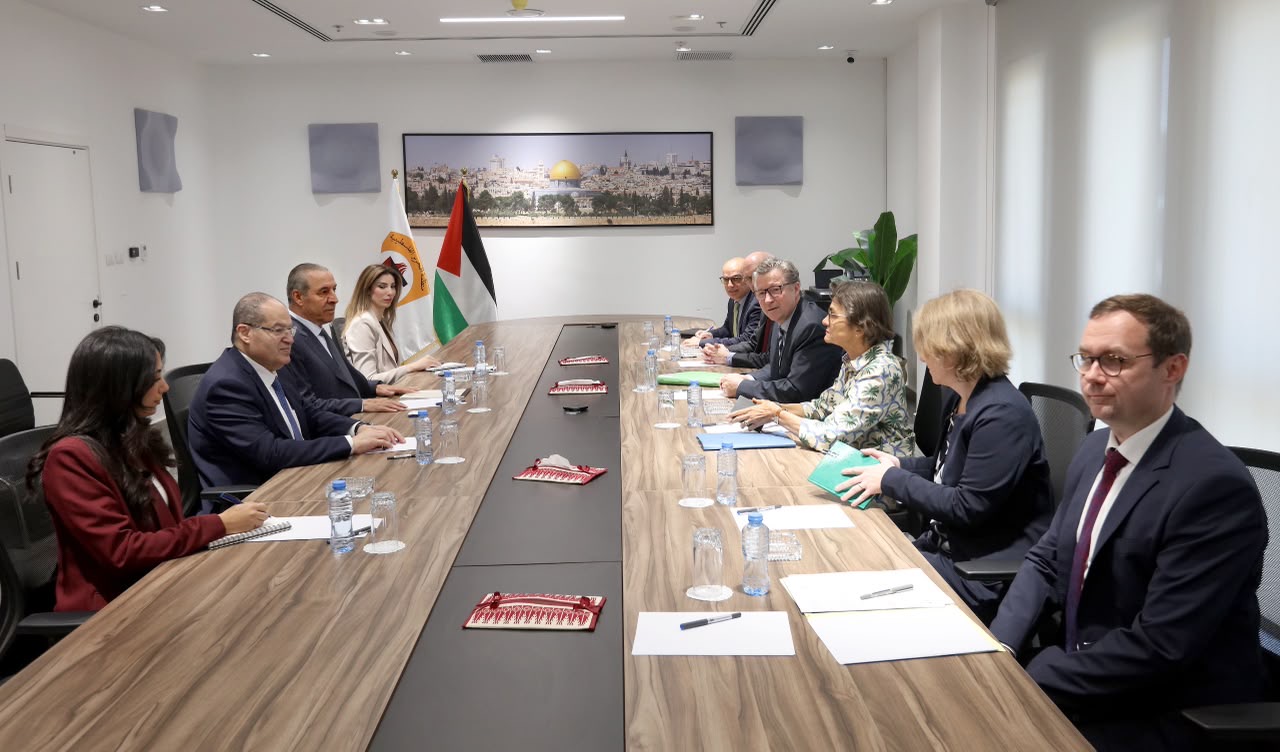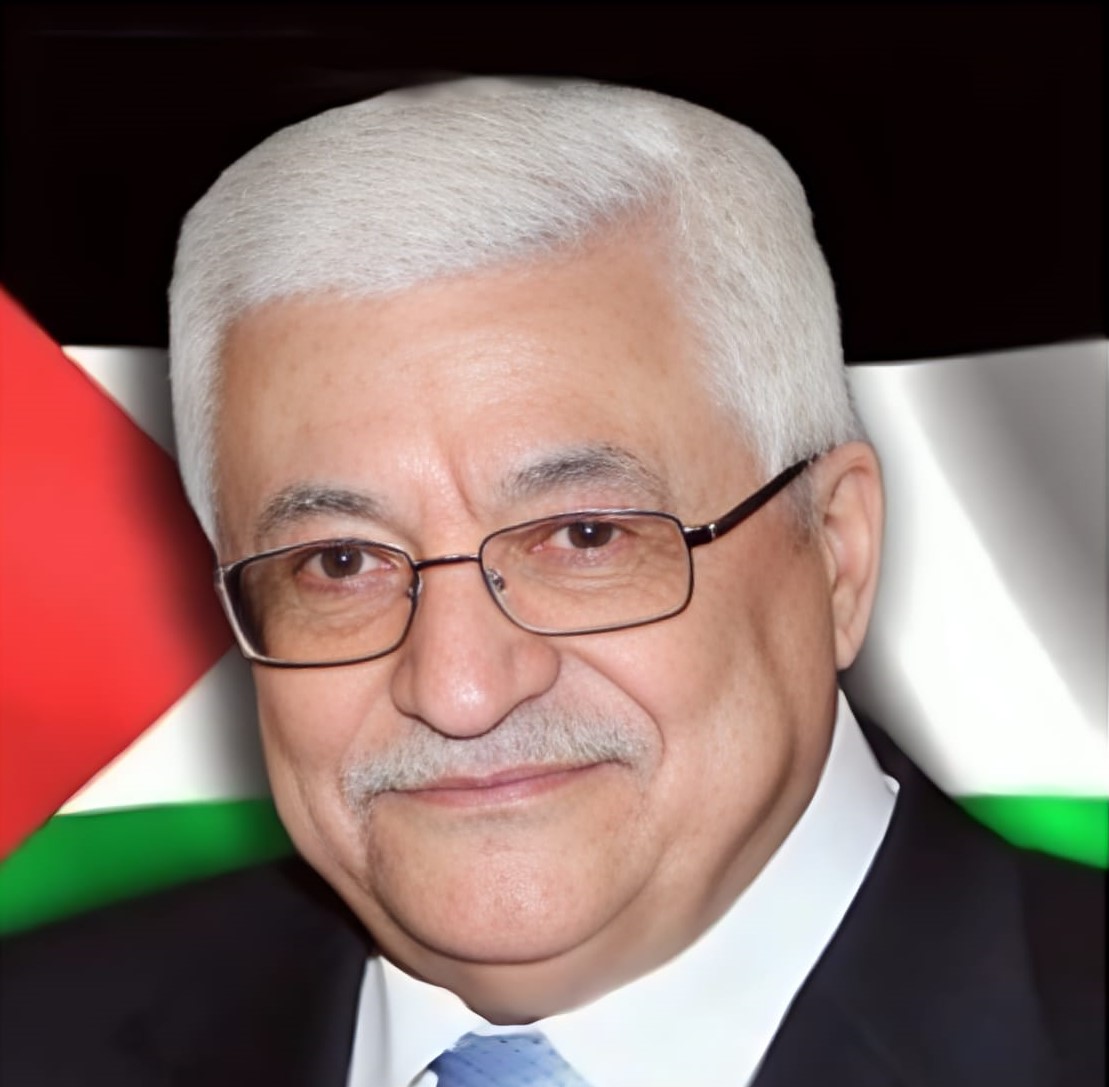
RAMALLAH, January 8, 2026 (WAFA) — President Mahmoud Abbas on Thursday evening presided over the opening session of the 13th session of the Revolutionary Council of Fatah at the presidential headquarters in Ramallah, in the presence of members of the Fatah Central Committee and invited guests.
In a comprehensive political address at the start of the session, President Abbas reviewed the latest political developments, the internal situation of the Fatah movement, and ways to reinvigorate its role.
He affirmed that 2026 will be the year of Palestinian democracy, announcing that local council elections will be held in April, followed by the eighth conference of Fatah and elections for the Palestinian National Council later this year, paving the way for general elections at the appropriate time. He stressed the determination to hold elections in Gaza, the West Bank, and Jerusalem as one political and geographic unit.
The President reiterated Palestinian priorities, including consolidating the ceasefire and the immediate entry of urgent humanitarian aid into the Gaza Strip. He underscored the need to begin implementing the second phase of the plan proposed by US President Donald Trump, which calls for a full Israeli withdrawal from Gaza, Hamas relinquishing governance, and the start of work by a Palestinian transitional administrative committee fully subordinate to the Palestinian government.
He emphasized that Gaza is an integral part of the Palestinian state alongside the West Bank and East Jerusalem, calling for the immediate reconstruction of the Gaza and for a political process based on international legitimacy and the Arab Peace Initiative.
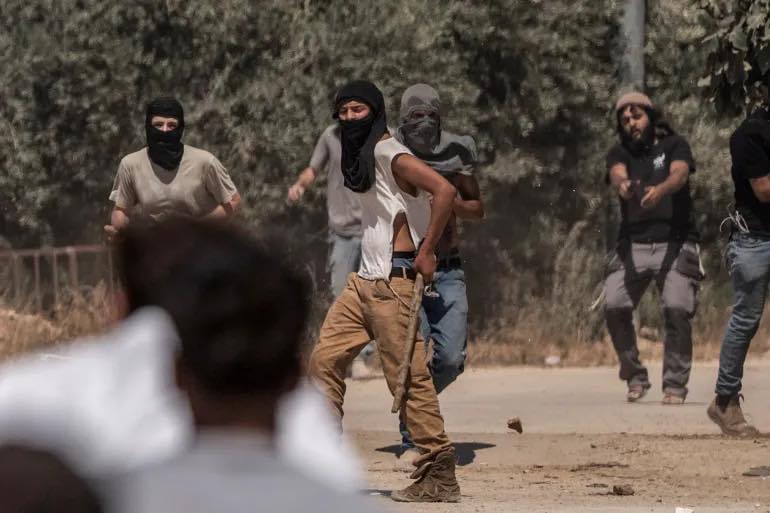
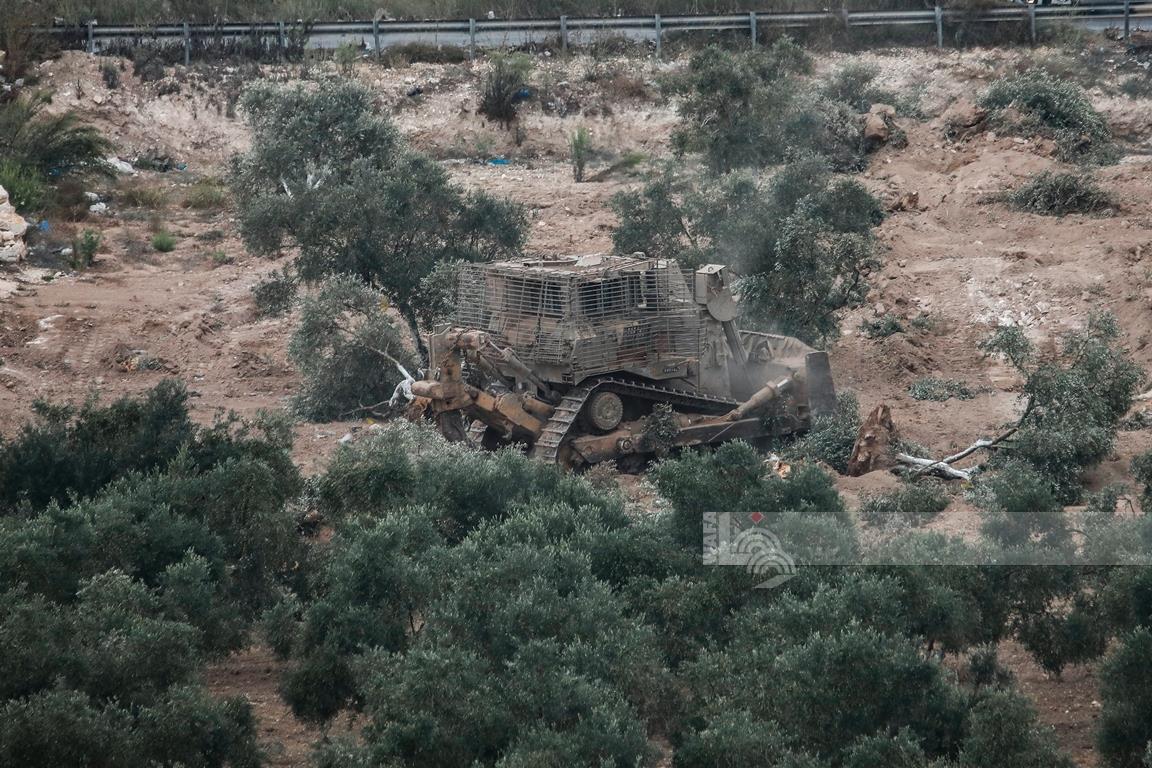
President Abbas warned of the grave actions carried out by Israeli occupation authorities in the West Bank and occupied East Jerusalem, including settlement expansion, attempts at de facto annexation, support and protection of colonist violence, repeated incursions into Palestinian cities, towns, and refugee camps, systematic destruction of homes and infrastructure, the withholding of Palestinian funds, and continued violations against holy sites.
He called on the international community to pressure Israel to halt unilateral measures that undermine regional and international efforts to stop escalation and create conditions for a serious political process to end the occupation and realize the independence of the State of Palestine with East Jerusalem as its capital.
He commended Palestinian and Arab diplomatic efforts that have resulted in successive international recognitions of the State of Palestine by a growing number of countries, bringing the total to 160.
The President said the international conference held at ministerial and later leadership levels, led by Saudi Arabia and France, demonstrated broad international support for the Palestinian cause and consensus on ending the occupation through a political, diplomatic, and legal path leading to the two-state solution.
He praised the support of Arab and Islamic countries, the work of the Arab-Islamic ministerial committee, the international coalition to implement the two-state solution, and the efforts of Saudi Arabia under the leadership of King Salman bin Abdulaziz and Crown Prince Mohammed bin Salman.
President Abbas emphasized the central role of the Palestine Liberation Organization as the sole legitimate representative of the Palestinian people, highlighting its historic role in safeguarding national principles and keeping the Palestinian cause at the forefront as a national liberation issue. He also stressed the importance of holding the general conference of the Fatah Youth Movement, noting its role in nurturing a new generation of leadership.
He further underlined the significance of upcoming elections, including municipal and village council elections, the eighth Fatah conference, and elections for the Palestinian National Council, describing them as essential national entitlements that reinforce the democratic approach of the Palestinian political system.
On political outreach, President Abbas referred to his recent visits to Italy, France, and Spain, as well as contacts with world leaders, including the German chancellor, aimed at mobilizing international support to stop the war against the Palestinian people, secure full UN membership for the State of Palestine, and pressure Israel to end policies that undermine any political process grounded in international law.
Regarding reform, the President reaffirmed his commitment to advancing comprehensive reform programs to modernize the legal and institutional framework of the State of Palestine, strengthen the rule of law, promote good governance, transparency, and accountability, and ensure the separation of powers.
He also stressed the need to update election laws, issue a modern political parties law, and ensure all Palestinian parties adhere to the PLO’s political program, international legitimacy, the two-state solution, one law, and one legitimate authority.
M.N