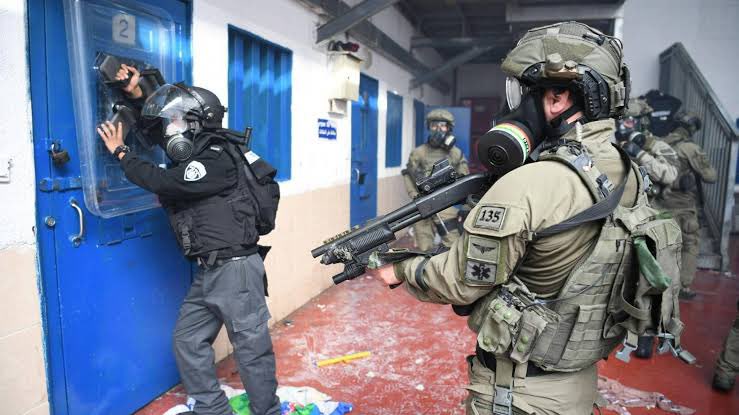
RAMALLAH, December 25, 2025 (WAFA) — The Commission of the Detainees and Ex-Detainees Affairs and the Palestinian Prisoners Society said Israeli authorities continue to carry out systematic repression against Palestinian detainees through an integrated system based on organized torture, as part of an ongoing campaign of genocide and colonial erasure against the Palestinian people.
In a briefing released Thursday, the two institutions said the policies target more than 9,300 detainees held in Israeli prisons and military camps during December, noting that these practices have intensified to an unprecedented level since the start of the war.
Based on dozens of legal visits conducted in December to Ofer, Negev, Megiddo, Ramla clinic, Rakevet, Shatta, Gilboa, and Ganot prisons, as well as several military camps including Sde Teiman and Gilad, in addition to Damon prison where female detainees are held, testimonies consistently point to escalating torture and a sharp rise in organized repression carried out by heavily armed special units.
The briefing said detainees are subjected to systematic starvation, denial of medical treatment and healthcare, and the confiscation of basic necessities, alongside ongoing policies aimed at degrading human dignity through constant humiliation and abuse carried out around the clock.
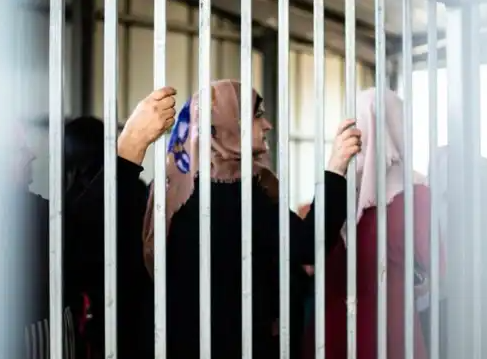
During December, legal teams documented multiple incidents of repression, including those targeting women and children. At Damon prison, where around 50 female detainees are currently held, repression units carried out several assaults inside prison cells.
On December 5, prison forces raided three cells, sprayed tear gas, forced detainees to lie on the ground, assaulted them physically, and verbally abused them, claiming to have found “inciting phrases.” Punitive measures were later imposed, including locking cells and denying yard time.
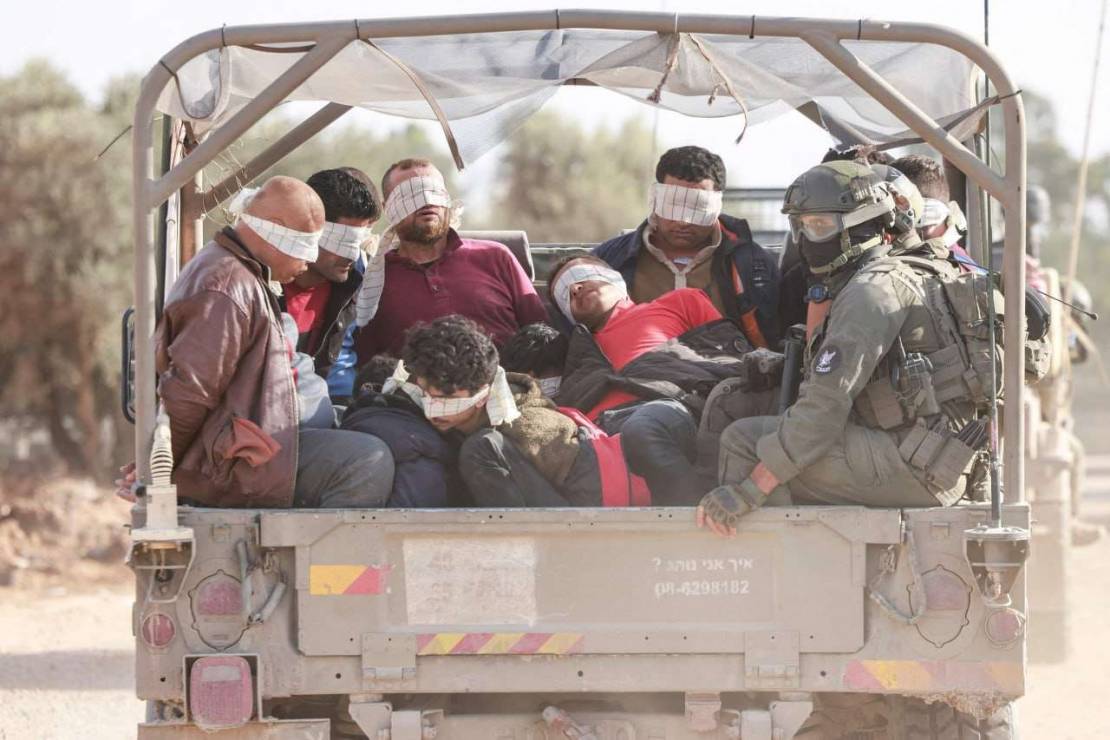
On December 14, during the early morning hours, two cells were raided again. Female detainees were handcuffed behind their backs, blindfolded, taken outside into the freezing cold, forced to kneel with their heads lowered, and subjected to filming while widespread vandalism was carried out inside their rooms.
The assault involved police dogs and stun grenades and continued until around 7 a.m., according to detainee testimonies.
Female detainees said their suffering intensifies during winter due to extreme cold, lack of blankets and clothing, absence of heating, continued starvation, and denial of medical care, especially for those with chronic illnesses, including cancer.
They also reported deprivation of basic personal hygiene supplies, particularly sanitary pads, which are used as an additional means of humiliation.
In Ganot prison (formerly Nafha and Ramon), where several leaders of the prisoners’ movement are held in solitary confinement, including Ahmad Saadat, prison authorities continue to impose harsh detention conditions following prolonged delays before allowing recent legal visits.
Saadat is suffering from scabies while being deliberately denied treatment, similar to other detainees. According to his lawyer, he was assaulted during his transfer from Megiddo isolation cells to the Ramla prison, causing severe back pain, before being moved to Ohlikedar prison and then to Ganot.
Several prominent prisoner leaders have been held in solitary confinement for more than two years and have been subjected to repeated torture and assaults, resulting in multiple injuries, including fractures.
Repression attacks in Ganot have reportedly escalated following the completion of the prisoner exchange deal, with near-daily raids targeting sections and cells. These attacks involve tear gas, severe beatings, rubber bullets, electric shocks, police dogs and batons, and are often carried out at dawn or late at night.
Testimonies collected from detainees in Gilboa and Shatta prisons also indicate a dangerous rise in repression, accompanied by violent physical assaults, deliberate firing of gas inside cells, use of batons, electric shock devices and police dogs.
These attacks have left many detainees with bruises and injuries, while they already suffer from hunger, illness and extreme exhaustion due to systematic starvation and denial of medical care.
Among those interviewed in Gilboa prison was detainee Ahed Abu Ghalmi, who reported repeated organized assaults and said the pace of repression has not decreased.
He also pointed to the continued spread of scabies among detainees, severe shortages of clothing, and worsening suffering during winter, as the cold has effectively become another tool of torture.
M.N