RAMALLAH, April 20, 2-026 (WAFA) - The Government of Japan has provided $2.4 million to UNFPA, the United Nations’ sexual and reproductive health agency, for a 12-month project titled “Essential Access: Delivering Lifesaving Sexual and Reproductive Health and Protection Services for Women, Girls, and Youth in Palestine.”
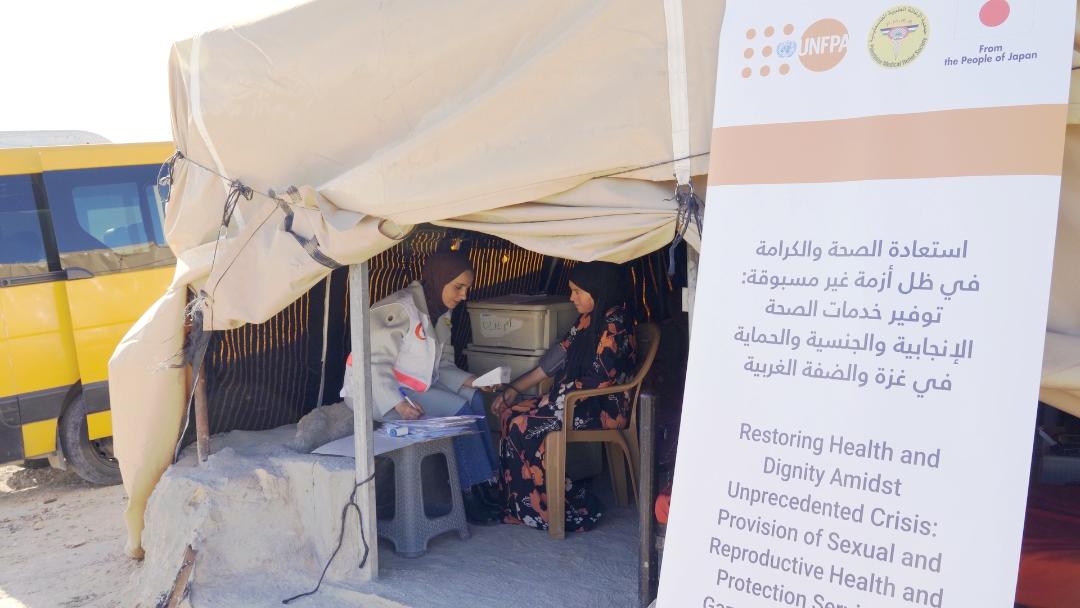
The project aspires to restore the availability of basic services in reproductive healthcare through the operation of mobile clinics across the West Bank, while strengthening healthcare service delivery in Gaza through medical practitioner training and data analysis, said a press release issued by the Representative Office of Japan to Palestine.
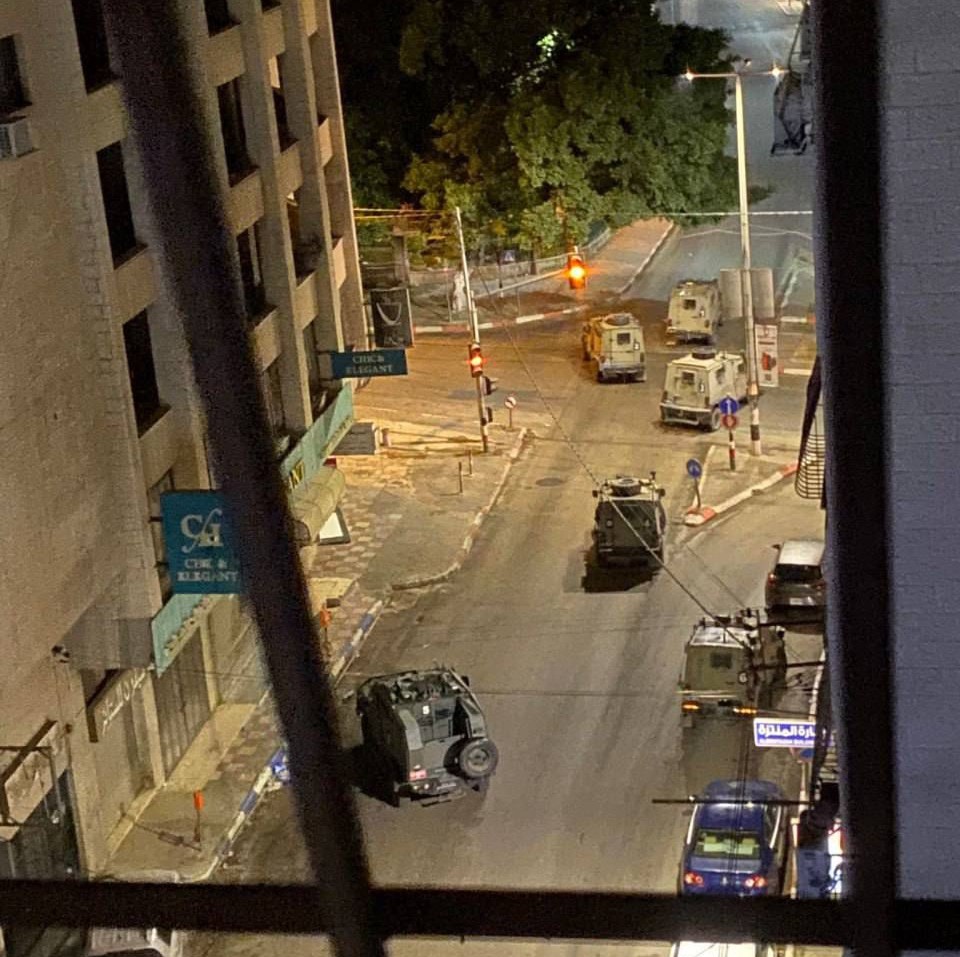
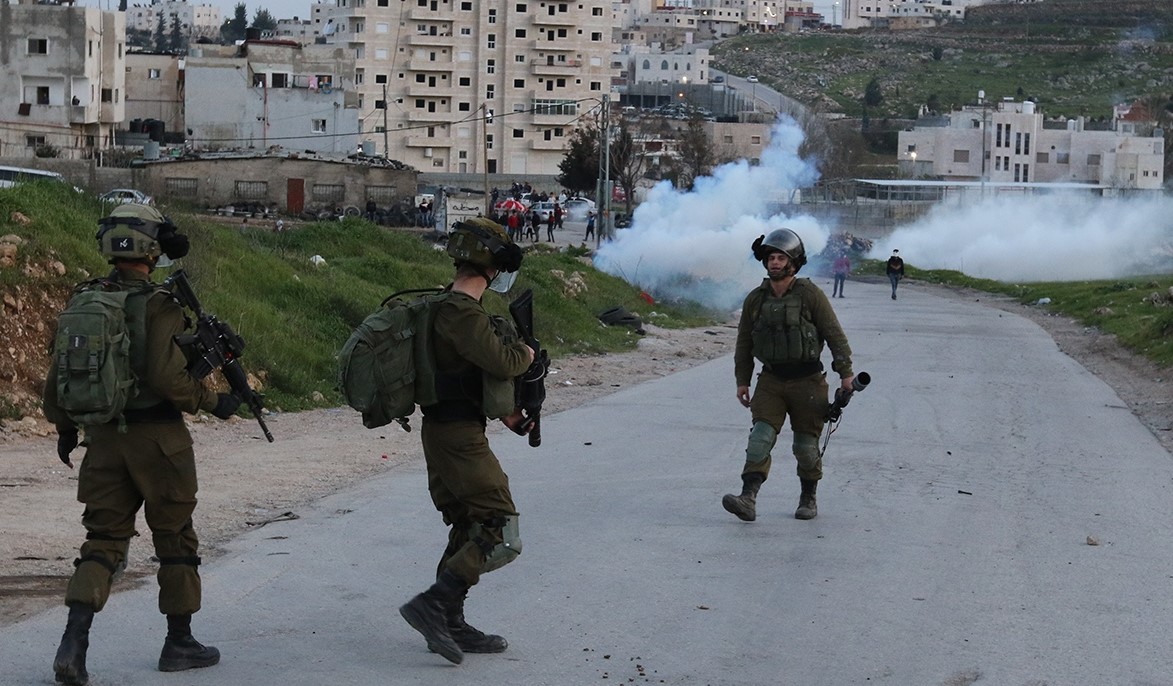
In the West Bank, ongoing violence and movement restrictions have left over 230,000 women and girls, including nearly 15,000 pregnant women, in areas with military presence, with little access to essential reproductive health care, such as obstetrics and gynecology, including breast cancer screening, as well as neo-natal care.
Six months into the October 2025 ceasefire in Gaza and the announcement of immediate resumption of full-fledged humanitarian aid, women and girls across Palestine continue to face a deepening health crisis as a result of limited availability of healthcare services. In Gaza, most hospitals remain closed without rehabilitation, leaving an estimated 50,000 pregnant women at risk, while around 180 babies are born each day.
In response, the project addresses critical gaps in access across Palestine by prioritizing lifesaving sexual and reproductive health interventions while restoring specialized and preventive services, including oncology and pre-conception care, to reduce long-term morbidity and protect the reproductive rights of women and girls.
Its key interventions include:
● Deploy four mobile clinics in the West Bank to deliver integrated primary and reproductive health services in hard-to-reach areas, reaching over 5,500 people through 10,000 consultations.
● Support two key health facilities in Gaza to scale up emergency obstetric and newborn care and ensure safer deliveries.
● Restore breast cancer services by deploying a mobile mammography unit in Area C of the West Bank to reach 2,000 women, and by reactivating a specialized breast cancer unit in Gaza.
● Reactivate preventive services, including pre-marriage counselling in two clinics, reaching 100 couples and enabling 1,500 individuals to access screening for hereditary conditions such as thalassemia.
● Strengthen health system capacity and coordination, including training 150 health professionals and enhancing service delivery and referral pathways.
“UNFPA deeply values its longstanding partnership with the Government of Japan in supporting the health and protection of women and girls in Palestine,” said Nestor Owomuhangi, UNFPA Representative in Palestine. “Building on this continued collaboration, this project will help restore essential sexual and reproductive health services, expand access to specialized care, and ensure that women and girls can protect their health, exercise their rights, and recover with dignity.”
ARAIKE Katsuhiko, Ambassador of Japan for Palestinian Affairs, sid: “Japan is committed to advancing human security and the Women, Peace, Security agenda in situations where women’s health, rights, and well-being are compromised. In line with the existing international commitments, the people of Japan are eager to witness women and girls in Area C of the West Bank as well as in Gaza enjoy peace dividends and enhance household health profiles in partnership with UNFPA that enable women to make their own decisions regarding pregnancy and childbirth.”
This partnership is a critical step toward restoring essential health services for women and girls across Palestine, ensuring that lifesaving care reaches those who need it most, strengthening continuity of care, and rebuilding the foundations of a health system that can support recovery, resilience, and dignity in the face of ongoing crisis.
T.R.