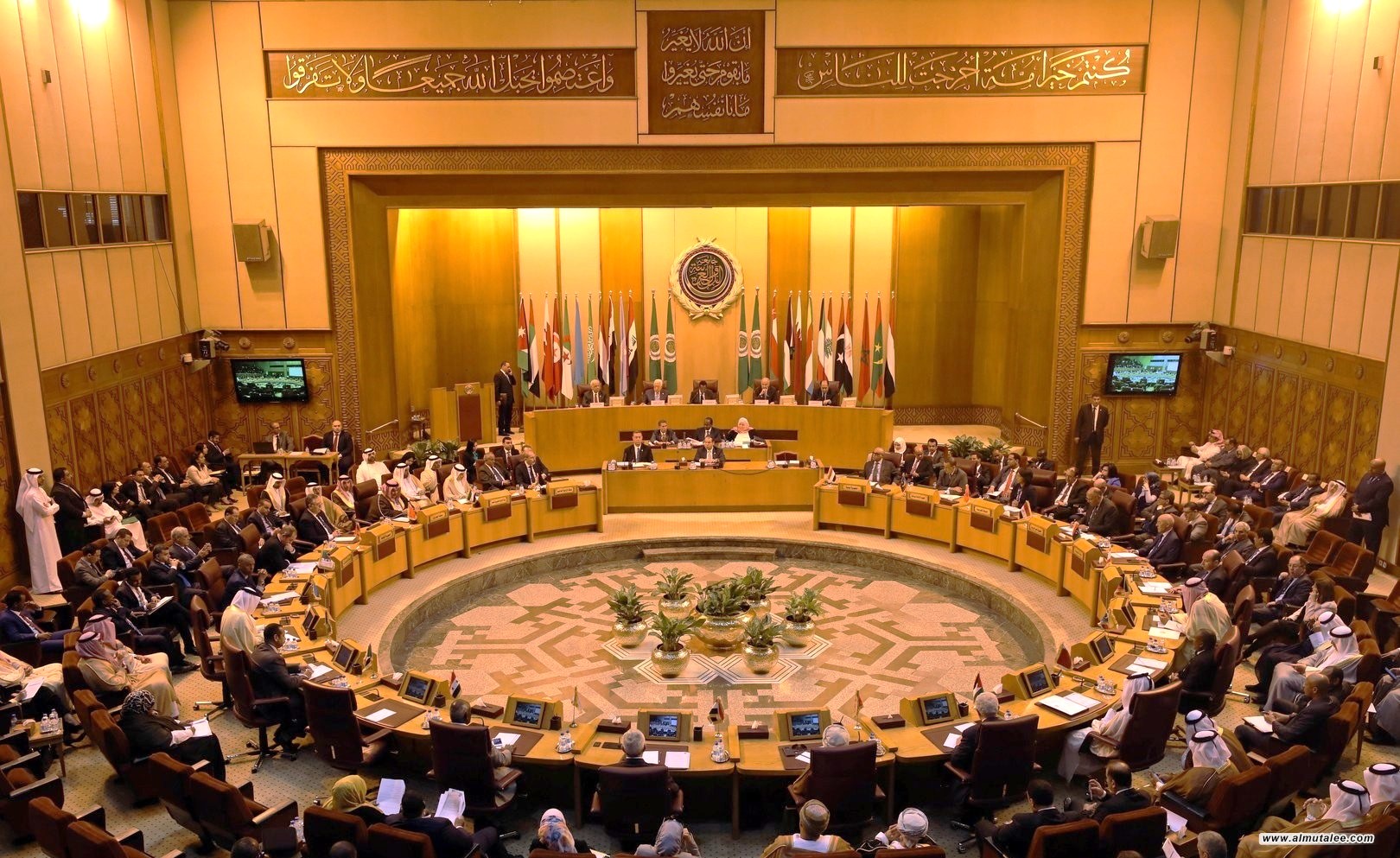
CAIRO, April 2, 2026 (WAFA) – An extraordinary session of the Arab League Council at the level of permanent representatives began on Thursday in Cairo, chaired by Bahrain, which currently holds the presidency of the council’s 165th session.
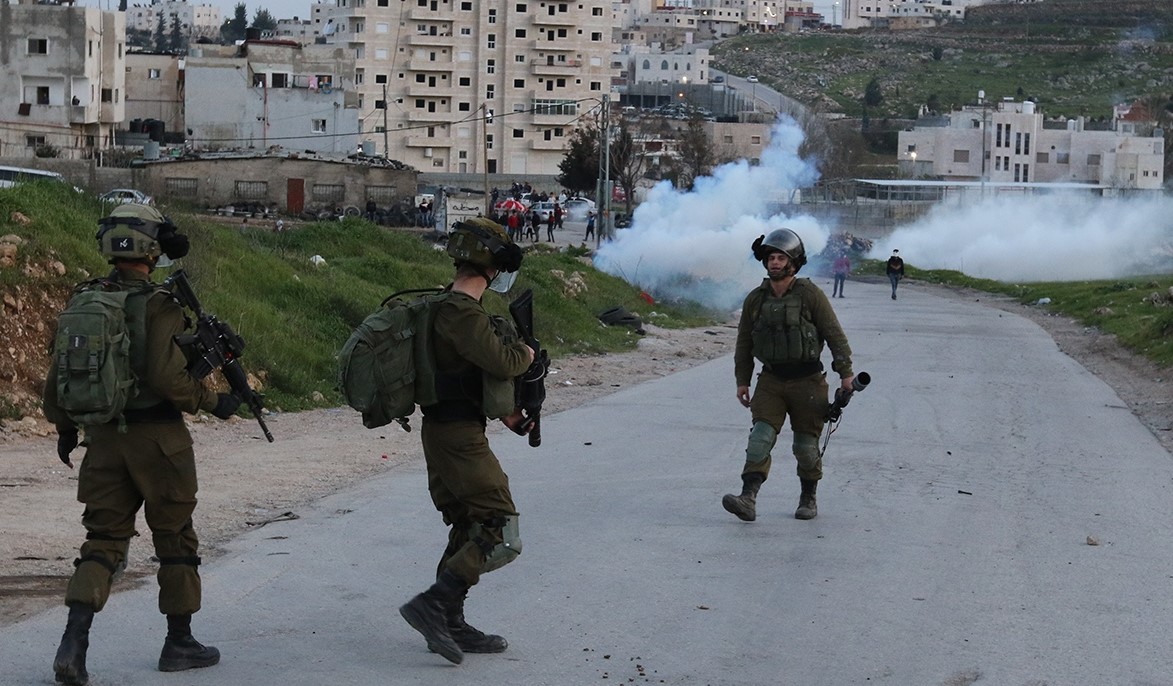
The meeting was convened at the request of the State of Palestine and with the support of member states to discuss Israeli actions in occupied Jerusalem, including the closure of Islamic and Christian holy sites and the Israeli parliament’s approval of a law allowing the execution of Palestinian prisoners.
The Palestinian delegation was headed by its representative to the Arab League, Ambassador Muhannad Al-Aklouk, and attended by several diplomatic advisers. Also present was Assistant Secretary-General for Palestine and the Occupied Arab Territories Ambassador Faed Mustafa.
Mustafa said the developments in Jerusalem should not be viewed as isolated measures but as part of a broader assault targeting the city’s identity, character, and historical status.
He stressed that closing the Al-Aqsa Mosque, preventing worshippers from reaching it, restricting religious practices there, and obstructing access to the Church of the Holy Sepulchre represent violations of freedom of worship and breaches of the historical and legal status quo.
He added that the targeting of Islamic and Christian holy sites in Jerusalem constitutes an attack on the essence and identity of the city itself. Protecting these sites and ensuring Muslims and Christians can access them freely, he said, is not merely a political demand but a legal and moral obligation recognized under international law.
Mustafa also warned that Palestinian prisoners are being targeted in their basic human rights, saying the adoption of the law allowing the execution of prisoners attempts to transform crimes into legal texts and revenge into official policy.
He emphasized that the dignity, safety, and protection of prisoners from torture and degrading treatment are guaranteed by international conventions, including the Fourth Geneva Convention.
During the session, Ambassador Al-Aklouk called for Arab, Islamic, and international action at governmental, parliamentary, and civil levels to protect Jerusalem and its Islamic and Christian holy sites. He urged political, diplomatic, and legal measures, including economic sanctions and boycotts against Israel.
Al-Aklouk also called for enabling international fact-finding committees from the United Nations Human Rights Council and the International Committee of the Red Cross to access Israeli prisons and document violations against detainees.
He further urged the International Criminal Court to open an urgent criminal investigation into the law authorizing the execution of Palestinian prisoners and called on states party to the Rome Statute of the International Criminal Court to enforce the arrest warrant issued by the court against Israeli Prime Minister Benjamin Netanyahu and his ministers.
Meanwhile, Bahrain's representative to the Arab League, Ambassador Fawzia Zainal, said the developments in Jerusalem and violations targeting its Islamic and Christian holy sites—particularly the closure of Al-Aqsa Mosque—represent a dangerous escalation and a serious breach of human rights and international humanitarian law.
She stressed that these developments threaten to further escalate tensions and instability in the region, calling for a unified and firm Arab stance rejecting such violations.
M.N