RAMALLAH, December 26, 2025 (WAFA) – Monitoring and documentation data collected by the Freedoms Committee of the Palestinian Journalists Syndicate, covering the period from October 7, 2023, to the end of 2025, revealed a systematic and escalating pattern of deadly targeting of Palestinian journalists. This pattern peaked in 2025, marking a clear shift from sporadic violations to a consistent policy of silencing the press through killing, injury, and permanent disability.
The data showed that the number of journalists injured by the end of November 2025 reached 76, a dangerous indicator of the escalating targeting policy. Journalists are no longer merely "potential targets," but rather confirmed and frequent targets.
In a report by the Freedoms Committee, the Syndicate affirmed that during 2025, the Israeli occupation shifted from a policy of restricting journalistic work to a policy of "neutralizing" the press through lethal force. This policy aims to silence witnesses, prevent the documentation of crimes, and suppress the Palestinian narrative on the ground.
The committee affirmed that 2025 marked the peak of the deadly targeting of journalists in Palestine. It can be described as a year of repeated mass targeting, particularly in tents, hospitals, and press gatherings. It was also a year of fatal and disabling strikes targeting the head, neck, chest, and abdomen, resulting in amputations, blindness, and permanent disabilities. Furthermore, the sources of danger were intertwined (the occupation army and settlers, drones, and artillery shelling).
In detailing the timeline, the data showed that during the period from January to March 2025, the bombing of journalists' homes continued in the Gaza Strip. In the West Bank, particularly in Jenin, Hebron, and Ramallah, live ammunition was used to inflict injuries. There was also a clear beginning to targeting media centers and journalists within residential neighborhoods, where targeting was no longer solely based on the moment of coverage, but also on the journalist's identity.
During April and May 2025, the targeting of journalists entered a phase of deliberate media massacres. The events of April 7 and 8, when the journalists' tent at Nasser Hospital was targeted, marked a turning point. Nine journalists were injured simultaneously, journalistic equipment was destroyed, and several journalists later succumbed to their wounds. This documented and recurring incident occurred in a known location and involved the use of heavy weaponry, amounting to a complex war crime and a collective targeting of the press.
In June 2025, mass killings of journalists were recorded while they were covering events in schools, hospitals, and public squares.
In July and August 2025, a pattern of permanent disabilities emerged. Journalist Akram Dalloul lost his sight, journalist Jamal Badah had his leg amputated, and journalist Muhammad Fayeq suffered permanent paralysis. In addition, there were repeated head and neck injuries, indicating a pattern of injuries resulting in permanent disability rather than accidental ones.
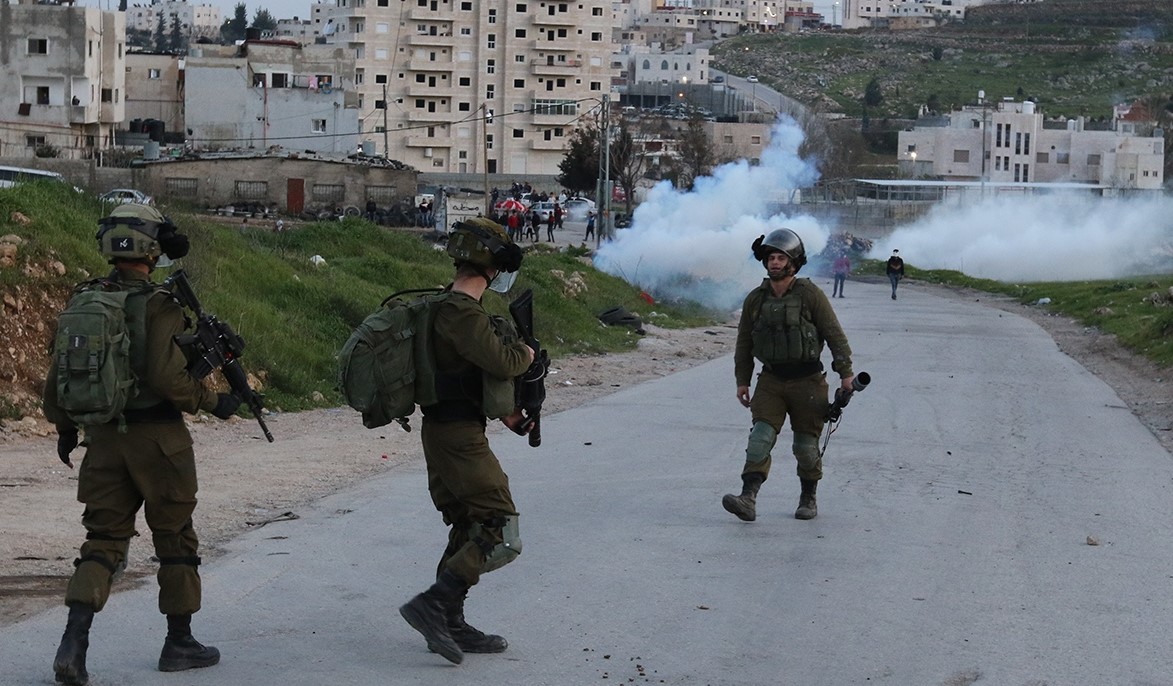
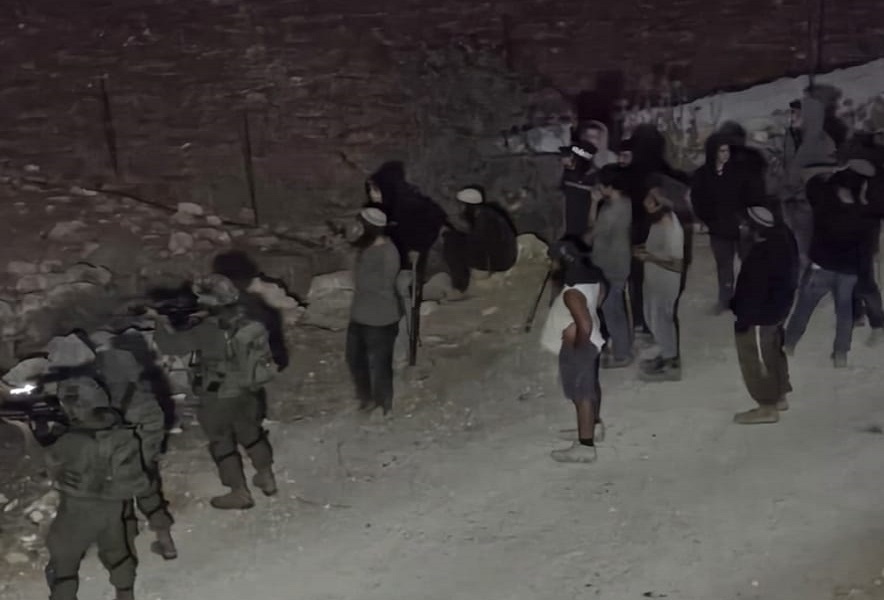
During September, October, and November 2025, the cycle of violence widened as the bombardment of the Gaza Strip continued, and colonist attacks escalated in the West Bank, particularly in Beita and Hebron. These attacks included beatings, vehicular assaults, arson attacks on vehicles, and the destruction of journalistic equipment. Injuries also occurred while journalists were covering the olive harvest, a purely civilian event, reflecting a de facto alliance between military and settler violence.
Geographically, data showed that the Gaza Strip was the most dangerous place globally for journalists, especially in Gaza City, Khan Younis, Deir al-Balah, Nuseirat, Jabalia, and Rafah, where attacks were concentrated in journalists' tents, hospitals, schools housing displaced persons, and private homes. In the West Bank, attacks were concentrated in Jerusalem, Jenin, Nablus, Beita, Tulkarm, Hebron, and Ramallah.
The union stated that the targeting pattern included direct beatings, live ammunition, tear gas and stun grenades, and settler attacks under the protection of the occupation army, using various means, including reconnaissance and explosive-laden drones, heavy aerial bombardment, artillery shells, live and rubber-coated bullets, as well as beatings with batons and rifle butts, and being run over by military vehicles.
The injuries were concentrated in the head, including bleeding, vision loss, and fractures, in addition to injuries to the neck, chest, abdomen, pelvis, and spine, resulting in cases of paralysis, as well as amputations and disabilities, in what were described as deliberate and fatal injuries.
The committee emphasized that the vast majority of these injuries occurred while journalists were covering events in the field, in locations known to be frequented by journalists, despite their wearing protective vests and press badges. It also noted that journalists themselves were repeatedly targeted on multiple occasions.
The Committee for Freedoms concluded its report by emphasizing that targeting journalists in Palestine is a direct attack on truth and freedom of opinion and expression, and that the continued impunity encourages further crimes against media professionals.
The head of the Committee for Freedoms at the Journalists Syndicate, Muhammad al-Lahham, stated that the events of 2025 constitute war crimes and crimes against humanity, and represent a systematic targeting of a protected group—journalists—within the framework of an official policy to silence the media by force. He added that what is happening is not isolated incidents, but rather a "field doctrine based on the principle of 'no witnesses, no narrative, no image.'"
Al-Lahham further stated that targeting journalists in Palestine is no longer accidental or circumstantial, but has become a structural component of the occupation's military and security practices.
Y.S