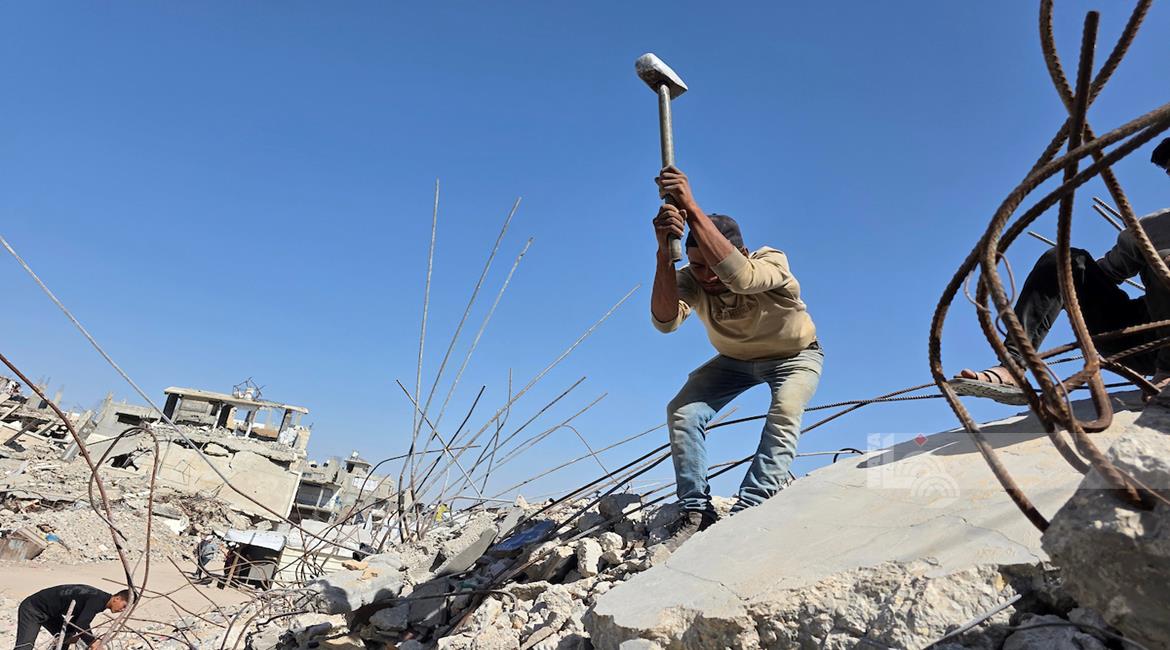
RAMALLAH, April 30, 2026 (WAFA) – The Palestinian General Federation of Trade Unions said on Thursday that around 550,000 workers in Palestine are currently unemployed, with joblessness reaching unprecedented levels across the West Bank and Gaza.
In a statement, the union reported that unemployment rates have risen to 85 percent in the Gaza Strip and 38 percent in the West Bank, reflecting a severe crisis impacting livelihoods and undermining basic living conditions.
It added that since October 7, 2023, more than 250,000 workers have been prevented from reaching their jobs inside Israel, leaving them without income for over 30 months. This has led many to exhaust their savings and sell personal belongings to meet essential family needs.
The union said violations against workers have extended beyond denial of employment to include killings, detentions, and abuse. It reported that around 50 workers have been killed and more than 38,000 detained since that date, describing these actions as systematic practices that violate human and labor rights.
It held the Israeli government fully responsible for the situation, calling for compliance with international law, compensation for workers’ losses, payment of dues and wages, and their immediate return to workplaces.
The statement also noted that international trade unions have filed formal complaints with the International Labour Organization, but Israel has yet to respond.
According to the union, about 90 percent of workers in Palestine lack social protection systems, while many face violations including failure to adhere to minimum wage standards, legal working hours, and end-of-service benefits.
The federation stressed that workers are facing increasingly complex conditions due to slowing economic growth, declining job opportunities, expansion of the informal economy, and rising living costs, all of which have eroded wages and widened social disparities.
M.N