RAMALLAH, April 7, 2026 (WAFA) – On the occasion of World Health Day 2026, where this year’s theme is “Together for Health: Stand with Science,” the Palestinian Central Bureau of Statistics reviews the status of the health system in Palestine amid unprecedented exceptional circumstances and a dire health situation affecting Palestine, particularly in Gaza Strip. While the world is witnessing a rapid progress in the fields of medicine and healthcare, and the international community celebrates scientific and medical achievements, the Palestinian health sector faces mounting and overwhelming challenges, as the gap between humanitarian health standards and living conditions has widened due to the ongoing Israeli aggression and systematic blockade.
Total Paralysis of Gaza’s Health System: 94% of Hospitals are Destroyed, and 51% of Essential Medicines are at "Zero Stock"
Data updated through March 2026 indicate that the healthcare system in Gaza Strip has reached a state of severe collapse, with 94% of hospitals destroyed, resulting in all 36 hospitals being unable to operate at full capacity, while 18 hospitals are operating only partially; primary healthcare services have also witnessed a catastrophic decline in performance, falling to less than half of their operational capacity, with only 1.5%[1] operating at full capacity. The crisis is intensifying as 51%[2] of essential medicines have reached “zero stock” in warehouses, leaving thousands of patients—particularly those with chronic conditions—facing a severe shortage of access to regular treatment, and rendering the health system in a state of near-total paralysis that puts the lives of the population at risk.”

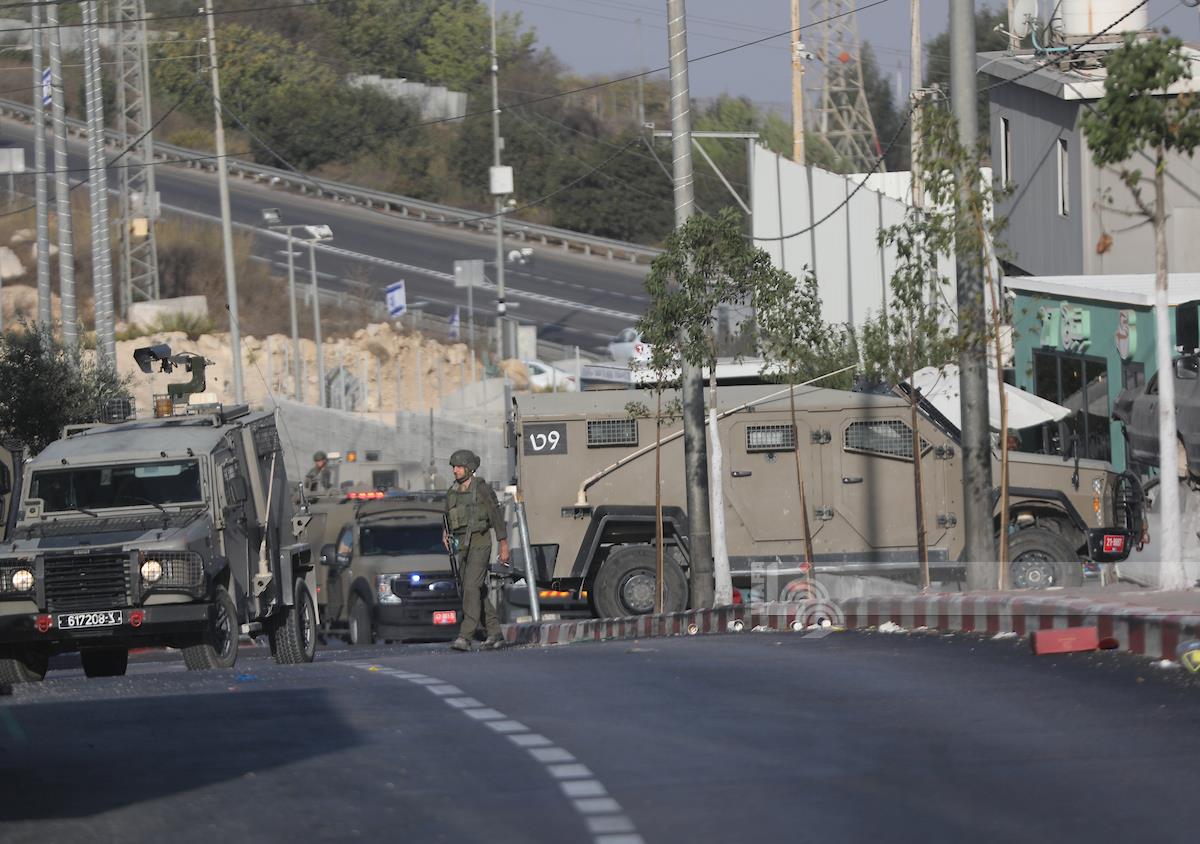
This deterioration is not limited to Gaza Strip but also extends to the West Bank, where restrictions on movement are increasingly affecting access to health services. The World Health Organization has documented hundreds of incidents targeting medical staff and ambulances, which have disrupted many services, including mobile clinics. Estimates indicate that one in five households reported that their children were unable to access health care or necessary medications due to repeated closures.
37,000 Pregnant and Breastfeeding Mothers and 31,000 Children are Facing "Slow Death" and Severe Malnutrition
According to the Integrated Food Security Phase Classification (IPC)[3] report for the period from October 2025 to April 2026, Gaza Strip experienced acute levels of food insecurity from October 16th to November 30th, 2025. Approximately 1.6 million people (77% of the population covered by the analysis) continue to face high levels of acute food insecurity. Despite limited relative improvement following the ceasefire, the destruction of 96% of agricultural land, an unemployment rate of 80%, and the lack of access to basic sanitation facilities for 47% of the population render this improvement extremely fragile, leaving the risk of famine highly probable in the event that aid is disrupted or hostilities resume.

Children and women are facing alarming nutritional conditions in Gaza Strip. Estimates up to mid-October 2026 in the IPC report[4] indicate a severe malnutrition crisis threatening the lives of 101,000 children (aged 6 months to 59 months), including 31,000 cases of severe acute malnutrition that put their lives at immediate risk. In the same context, approximately 37,000 pregnant and breastfeeding mothers are projected to suffer from acute malnutrition, while tens of thousands more remain at heightened health and nutritional risk. This situation has had catastrophic repercussions on the health of newborns, with a noticeable rise in preterm births—one in five newborns now requires intensive care—alongside a sharp increase in miscarriages and health complications associated with the lack of essential nutritional requirements.
Diseases are Overwhelming Displacement Centers amid a Severe Collapse in Health Services
Based on the unified disease surveillance dashboard of the Early Warning, Alert and Response System (EWARS)[5], which compiles weekly data from health facilities, the burden of infectious diseases in Gaza Strip shows unprecedentedly high numbers of respiratory infections, skin diseases, and parasitic infections. The health situation has reached an unprecedented critical level, with communicable diseases accounting for approximately 23.3% of total medical consultations from the beginning of 2026 through the end of February, amid a near-total collapse in the health system’s response capacity.
Acute respiratory infections recorded the highest proportion among diagnosed infectious diseases, accounting for 68% during the first two months of 2026, with more than 1.9 million cumulative cases reported. Although a slight decline in cases has been observed recently, the registration of 17 deaths in January 2026 reflects the increasing severity of the situation and the heightened vulnerability caused by extreme cold, severe overcrowding in displacement centers exceeding their capacity by more than four times, lack of heating and ventilation, and limited access to healthcare services.
Acute watery diarrhea was the second most reported condition at 16%, with around 81,000 cases recorded from January through the end of February 2026, including more than 36,000 cases among children under five. During 2025, more than 496,000 cases of acute watery diarrhea were reported, with 47% of them among children under five years of age.
This sharp increase—approximately 20 times higher than pre-war levels—is attributed to deteriorating water quality and the collapse of sanitation systems, with estimates indicating that 97% of water in Gaza Strip is unfit for consumption. Skin diseases such as scabies and lice accounted for 15% of reported cases, affecting around 75,000 individuals, in the near-total absence of personal hygiene facilities.
Number of People Infected with Most Prevalent Infectious Diseases in Gaza Strip from 28/12/2025 to 28/02/2026

Source: unified disease surveillance dashboard of the Early Warning, Alert and Response System (EWARS)
The sufferings of patients with chronic diseases have also worsened due to the disruption of diagnostic and treatment services and the depletion of 70% of essential medicines. The number of kidney failure patients in Gaza Strip is estimated at around 1,100, while only 600–700 patients are currently receiving treatment, due to widespread destruction of health infrastructure and the shutdown of most dialysis centers, placing patients’ lives at severe risk. Cancer patients, estimated at 10,000–12,000, are facing a near-total collapse of treatment systems due to severe shortages of chemotherapy drugs, disruption of advanced diagnostic services such as CT scans, and strict restrictions on medical referrals outside Gaza Strip, making access to comprehensive treatment protocols extremely difficult. Such deterioration extends to hundreds of thousands of patients with chronic conditions, amid widespread shortages of essential medications, increasing the risk of complications and preventable deaths.
The crisis is not limited to physical health but extends to mental health, with more than one million children in Gaza Strip suffering from severe psychological impacts[6], including anxiety and post-traumatic stress disorders, in the near absence of specialized mental health support services.
Health Indicators and Human Devastation: An Urgent Call to Address the Humanitarian Catastrophe in Gaza Strip
In a tragic account of the scale of destruction and ongoing human loss, data indicate that the ongoing Israeli aggression since October 2023 has resulted, as of March 2026, in more than 72,280[7] martyrs and over 172,000 injuries, with approximately one quarter estimated to have sustained permanent disabilities requiring long-term rehabilitation services. According to UNICEF estimates6, more than 21,000 children are among the victims, in addition to over 11,000 children suffering from permanent disabilities and life-altering injuries, all in urgent need of long-term rehabilitation programs that are currently unavailable under existing conditions.
The scale of escalating humanitarian needs requires immediate and effective international action, including the lifting of restrictions on the entry of critical medical equipment and supplies to ensure the continuity of life-saving health services. Data indicate that more than 18,500[8] patients require urgent medical evacuation, including 3,800 children who need advanced treatment interventions outside Palestine.

A Health System in the West Bank Under Pressure: Service Efficiency Amid Constraints and Challenges
The healthcare system in the West Bank relies on an extensive network of services, with primary care provided through 608 health centers, in addition to 60 hospitals offering approximately 13.4 beds per 10,000 population, which is lower than the global average of about 30 beds. The density of healthcare personnel stands at 21.9 general physicians and 43.6 nurses per 10,000 population, reflecting the availability of human resources, while highlighting the ongoing need to improve their distribution and efficiency to meet the increasing demand for health services.
Despite this progress, the health situation cannot be separated from the imposed constraints, as Israeli measures directly affect the efficiency and continuity of health services in the West Bank. Checkpoints and movement restrictions impede patients—especially emergency cases—from reaching hospitals on time, limit the mobility of healthcare workers, and affect the supply of medicines and medical supplies. These challenges negatively impact the quality and continuity of care, adding further pressure on the health system and threatening the gains achieved.
Declining Maternal and Child Mortality in the West Bank: A Health Achievement Reflecting Continued Progress Despite Challenges
Health indicators in the West Bank show gradual progress in reducing maternal and child mortality. The maternal mortality rate reached 22.2 per 100,000 live births, below the average set by the World Health Organization under the Sustainable Development Goals (less than 70 cases). Infant mortality recorded 8.5 per 1,000 live births, and the under-five mortality was 10.1 per 1,000 in 2024, which is within the targeted world level.
Compared to the Palestinian Multiple Indicator Cluster Survey, 2020, a clear improvement trajectory is evident, as infant mortality was around 14 per 1,000 and under-five mortality was about 26 per 1,000 live births. This decline reflects improved effectiveness of primary healthcare services and preventive interventions. Near-universal institutional deliveries, at 99.9%, represent one of the system’s key successes, playing a critical role in reducing health risks for mothers and newborns.
Disease Burden in the West Bank: Dominance of Non-Communicable Diseases and Stability of Communicable Diseases
Data from the Ministry of Health in the West Bank in 2024 indicate a clear variation in disease patterns, with non-communicable diseases (NCDs) being the most significant public health challenge, dominating the causes of death. Ischemic heart disease leads, accounting for 24.7% of total deaths, followed by cancers at 18.2%, and diabetes complications at 14.5%. The cancer incidence rate is approximately 130.8 cases per 100,000 population. Although this is lower than the global average, it is considered relatively high compared to many low- and middle-income countries, and it falls within the upper range of rates recorded regionally, reflecting an increasing health burden that requires strengthened prevention and early detection programs, alongside improved diagnostic and treatment services.
Major 10 Causes of Registered Death in the West Bank, 2024

Source: Ministry of Health, Annual Health Report 2024.
Conversely, communicable diseases remain relatively controlled, with low incidence rates. Hepatitis A occurred at about 5.23 per 100,000 population, while pulmonary tuberculosis was very low at 0.23 per 100,000. The absence of polio and measles cases in 2024 is a positive indicator, reflecting the effectiveness of vaccination programs and epidemiological surveillance systems, despite ongoing health challenges.
Out-of-Pocket Household Health Expenditure: An Additional Financial Burden
Total current health expenditure in Palestine in 2024 reached approximately USD 1,793.9 million, accounting for about 11.2% of GDP, with a per capita share of USD 351.7 annually. The health system relies heavily on government financing (41.7%), while households constitute the second-largest source of health financing, contributing 44.9% of the total current health expenditure in 2024. This reflects a high direct financial burden on households, which may limit their ability to meet other essential needs and increase their exposure to economic pressures.