RAMALLAH, February 25, 2026 (WAFA) – On this day in 1994, a U.S.-born Israeli military doctor entered the Ibrahimi Mosque in Hebron carrying a Galil assault rifle. It was early morning during the holy month of Ramadan, and hundreds of Palestinians were gathered inside in prayer.
Baruch Goldstein, who had moved to Israel in 1983 and lived in the Kiryat Arba settlement near the city, began shooting at worshippers as they knelt. He reloaded at least once and continued firing until he was overpowered and beaten to death. By the end of the attack, 29 people inside the mosque had been killed and more than 100 wounded.
The Israeli government quickly condemned the attack, stating that Goldstein had acted alone and describing him as mentally unstable.
While the massacre received widespread international media coverage, many Palestinians maintain that the full account of what happened has never been revealed.
According to local sources, the 29 people killed inside the mosque were not the only victims that day. They estimate the total death toll ranged between 50 and 70, with around 250 people injured overall.
Following the shooting inside the mosque, additional Palestinians were killed by Israeli forces during protests outside the mosque, near Hebron’s Ahli Hospital, and even at the cemetery during funeral processions.
Some survivors have also claimed that a second gunman was involved and allege that the attack was planned in advance, with prior knowledge by the Israeli military. Many in the community reject the official account that Goldstein acted entirely alone.
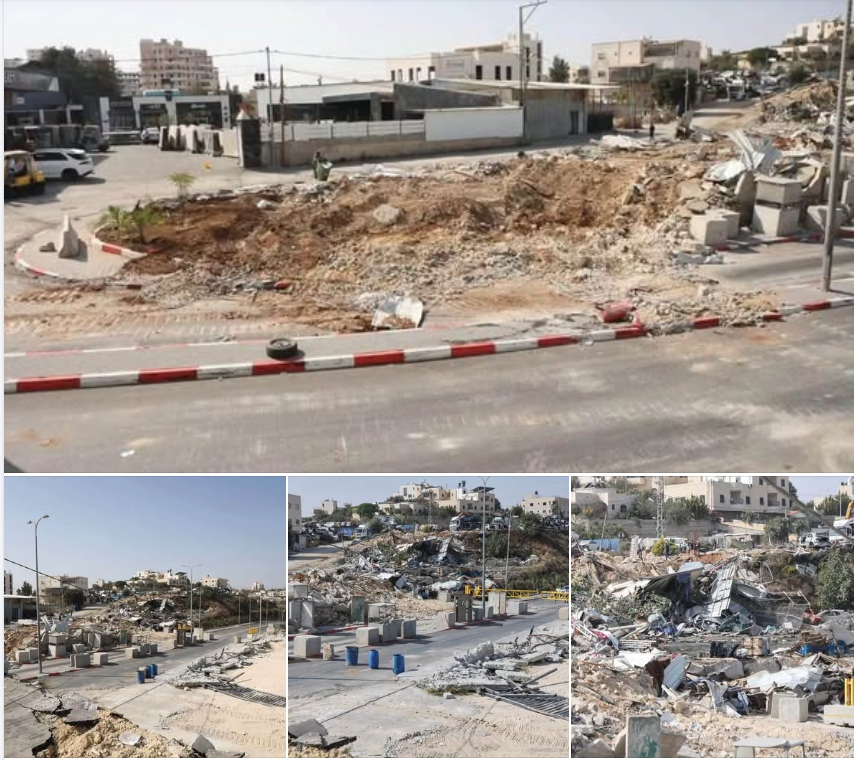
In the aftermath, Israeli authorities ordered 520 Palestinian-owned businesses to shut down, and many remain closed. Shuhada Street, the city’s main thoroughfare, was subsequently sealed off.
Goldstein was a follower of the extremist rabbi Meir Kahane, an American-born Orthodox Jewish leader who founded the Kach party in 1971. Kach promoted the forced removal of Palestinians from Israel and the occupied Palestinian territories.
For many Palestinians, the massacre underscored the dangers associated with Israel’s settlement expansion. Since then, daily life in Hebron—especially in the Old City—has become increasingly difficult, with Shuhada Street still largely closed and incidents of settler violence occurring regularly.