Cabinet Approves the National Plan to Enhance the Resilience of the Palestinian Electricity System.
The Plan Includes the Construction of Additional Transmission Lines Between Different Locations and the Enhancement of Energy Storage Capacity.
The Cabinet Adopts the Recommendations of the National Team to Protect Markets from Dumping, Increase the Share of Local Products, and Strengthen Their Market Position.
Approves the Establishment of the "National Council for Digital Transformation and Future Technologies" to Coordinate and Lead National Efforts in Digital Transformation, the Digital Economy, Artificial Intelligence, Digital Infrastructure, and Competitiveness.
Discusses, in Its Second Reading, the Draft Law by Decree on Public-Private Partnerships.
Approves the Extension of Free Health Insurance Coverage for Patients from the Gaza Strip and Their Companions Residing in the West Bank.
Warns Against the Continued Preparations by the Israeli Occupation Authorities to Issue a Tender for the Construction of More Than 3,400 Settlement Units in the E1 Area.
Stresses the Need for Effective International Pressure to End the Aggression Against Our People and Accelerate Relief and Recovery Efforts in the Gaza Strip.
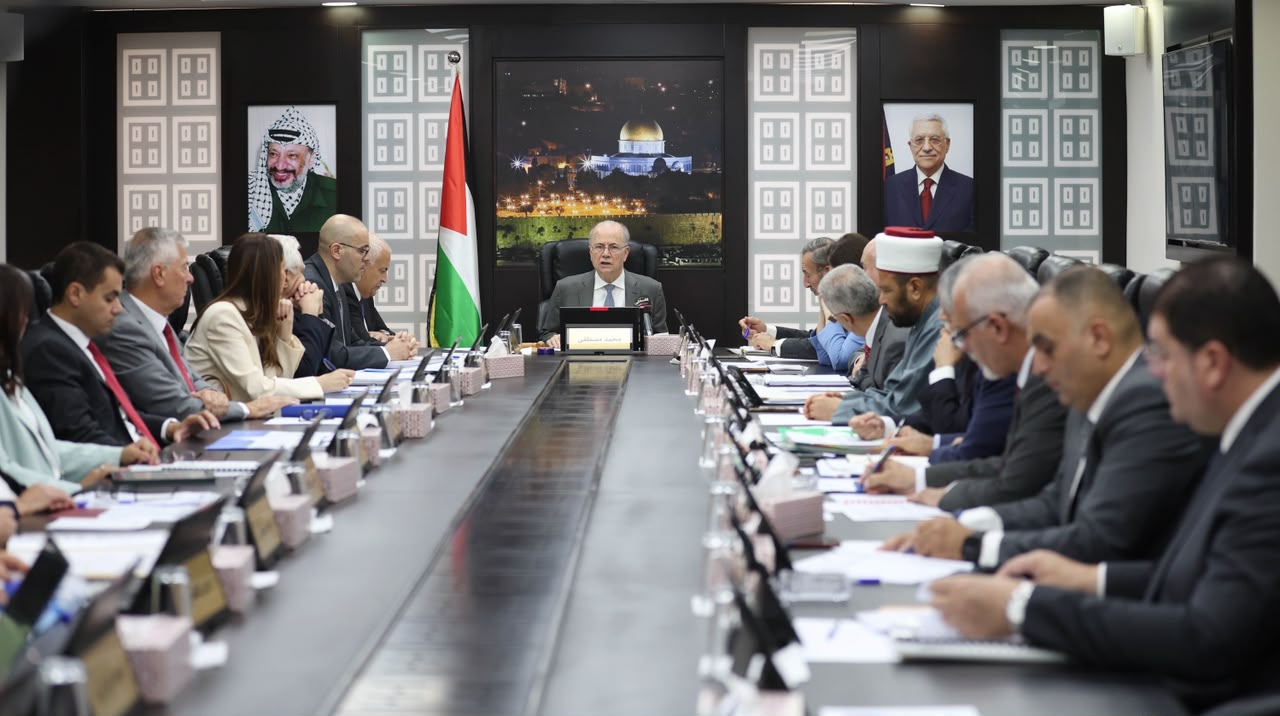
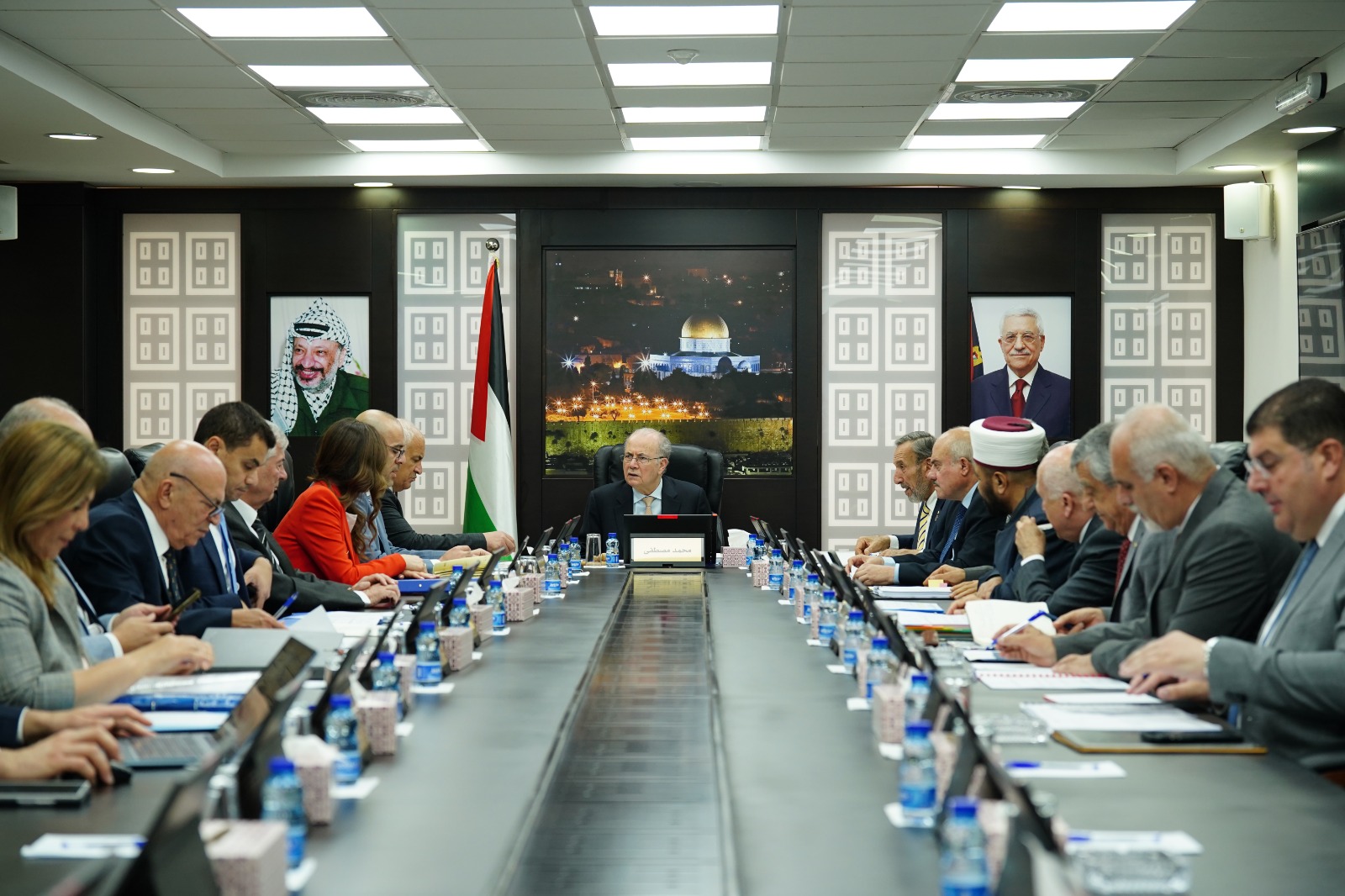
RAMALLAH, June 30, 2026 (WAFA) – During its weekly session held in Ramallah, the Cabinet warned of the gravity of Israeli plans aimed at imposing new facts on the ground, the latest of which involves a scheme to seize control of approximately 100 strategic locations within Area (A) of the West Bank, in flagrant violation of international law and signed agreements. These plans come in addition to the escalating crimes of colonists’ militias, which carried out 29 attacks over the past week targeting 16 Palestinian villages across various governorates.
The attacks included the destruction of citizens’ vehicles, the destruction and burning of property, and the establishment of new colonial outposts. This is further compounded by the announcement by the so-called “Israel Land Authority” setting a date for opening tenders for the construction of 3,401 colonial units in the area known as “E1” east of Jerusalem, as part of advancing toward the executive phase of the plan, despite the serious implications this would have on Palestinian geography if implemented.
In the same context, the Cabinet welcomed growing international positions calling for an end to the crimes of the occupation and its colonists, including calls for the release of withheld Palestinian clearance revenues, as well as UN reports stressing the need for effective international pressure to halt the aggression against the Gaza Strip, accelerate relief and recovery efforts, and ensure the provision of basic needs for our people in the Strip, including food, medicine, and essential services.
The Cabinet reaffirmed that the financial blockade imposed on the Palestinian government, primarily the continued withholding of clearance revenues, is exacerbating the humanitarian and economic crisis and directly affecting vital sectors, particularly the health sector, where tens of thousands of families, especially children and the elderly, are deprived of necessary treatment.
It also noted the disruption of thousands of surgical operations and essential health services, and called for urgent international action to end this blockade and enable government institutions to fulfill their duties toward citizens.
The Cabinet also approved the national plan to enhance the resilience of the Palestinian electricity system, aimed at improving the efficiency and reliability of the electricity grid through the construction of additional transmission lines between different locations and the enhancement of energy storage capacity, as a phased response to current challenges, primarily the restrictions imposed by the occupation.
The plan includes the development of the national electricity transmission network and the linking of transformer stations with transmission lines and electrical grids, thereby strengthening the flexibility of the electricity system and increasing its capacity to accommodate and store energy, particularly amid the rapid expansion in electricity production from local and renewable energy sources.
It also includes an implementation package comprising 11 transmission line projects distributed across the northern and southern West Bank, with a total length of approximately 105 kilometers and an estimated investment cost of about 21.5 million dollars, in addition to deploying energy storage systems in strategic locations linked to transformer stations and proposed transmission corridors, with a capacity of 80 megawatt/hour, enabling the absorption of surplus production during low-demand periods and reinjecting it during peak times, which contributes to reducing losses and supporting the integration of renewable energy sources into the national grid.
The Cabinet also adopted the sectoral recommendations of the national team on policies to combat market dumping, including the enforcement of mandatory technical standards on imported goods and increasing the mandatory share of local products in market share and public tenders.
In a separate context, the Cabinet approved the establishment of the “National Council for Digital Transformation and Future Technologies” as the national Palestinian umbrella body responsible for coordinating and leading national efforts in digital transformation, the digital economy, artificial intelligence, digital infrastructure, and digital competitiveness, which have been developed over the past two years to advance the progress of digital transformation and the national digital economy.
The Council has worked to define national priorities in this sector, ensuring alignment with technological developments. The expected outcomes of its establishment include doubling job opportunities in digital fields, attracting and supporting international technology companies, developing Palestinian digital products for export, and accelerating the digitization of priority government services, among other objectives outlined in the establishment plan.
The Cabinet also discussed, in its second reading, the draft law by decree on public-private partnerships and reviewed observations submitted by governmental, civil society, and private sector institutions, with consultations to be completed ahead of its submission for a third reading for approval.
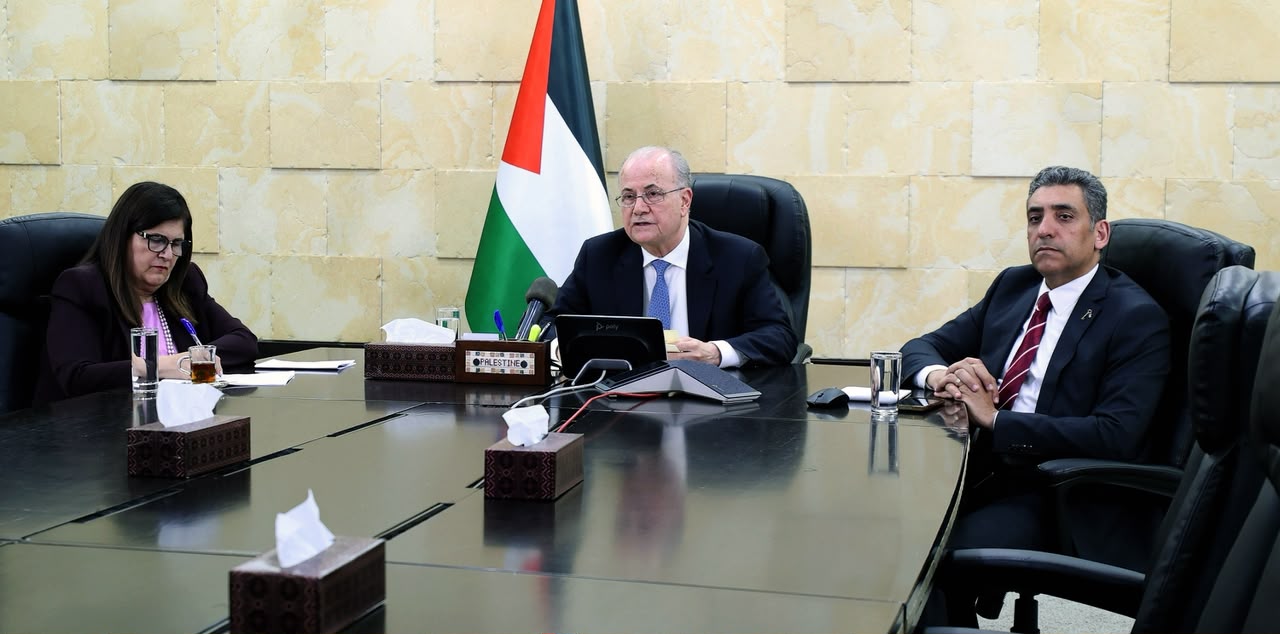
Prime Minister Mohammad Mustafa said that the Cabinet’s approval of the national plan to enhance the resilience of the Palestinian electricity system, along with its programmes to develop the energy sector, the endorsement of the establishment of the National Council for Digital Transformation and Future Technologies, and the near completion of the draft law by decree on public-private partnerships, together represent the true beginning of a national roadmap for rebuilding the Palestinian economy, in addition to other initiatives and programmes being completed under the national development and reform programme.
It further approved the extension of free health insurance coverage for patients from the Gaza Strip and their companions residing in the West Bank.
The Cabinet approved settling debts of local authorities in the water and electricity sectors as part of efforts to complete agreements and improve governance.
The Cabinet also approved a memorandum of understanding on cultural cooperation between the Kingdom of Morocco and the State of Palestine.
T.R.