Cabinet reiterates call for the immediate medical evacuation of more than 20,000 injured Palestinians from the Gaza Strip, who are being denied medical treatment
Establishes a task force to address landfill-related problems across all governorates
Approves the replacement of paper health insurance cards with smart cards as part of a broader plan to develop the health sector
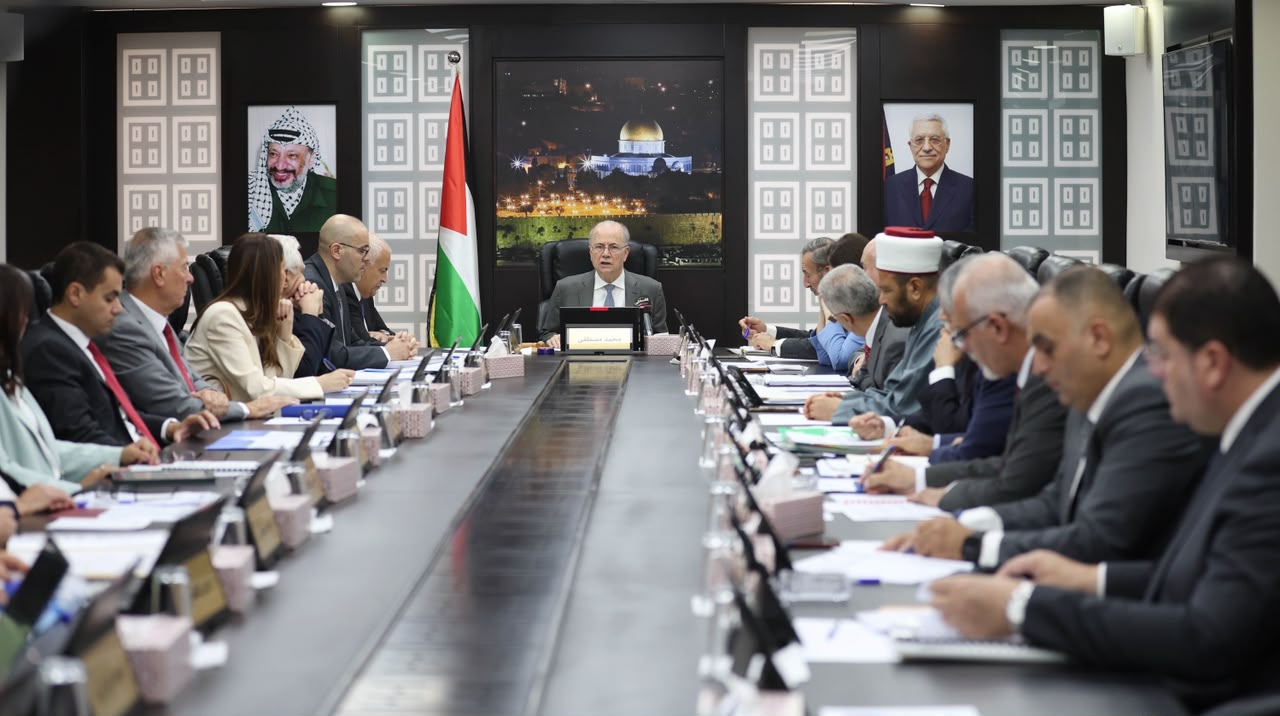
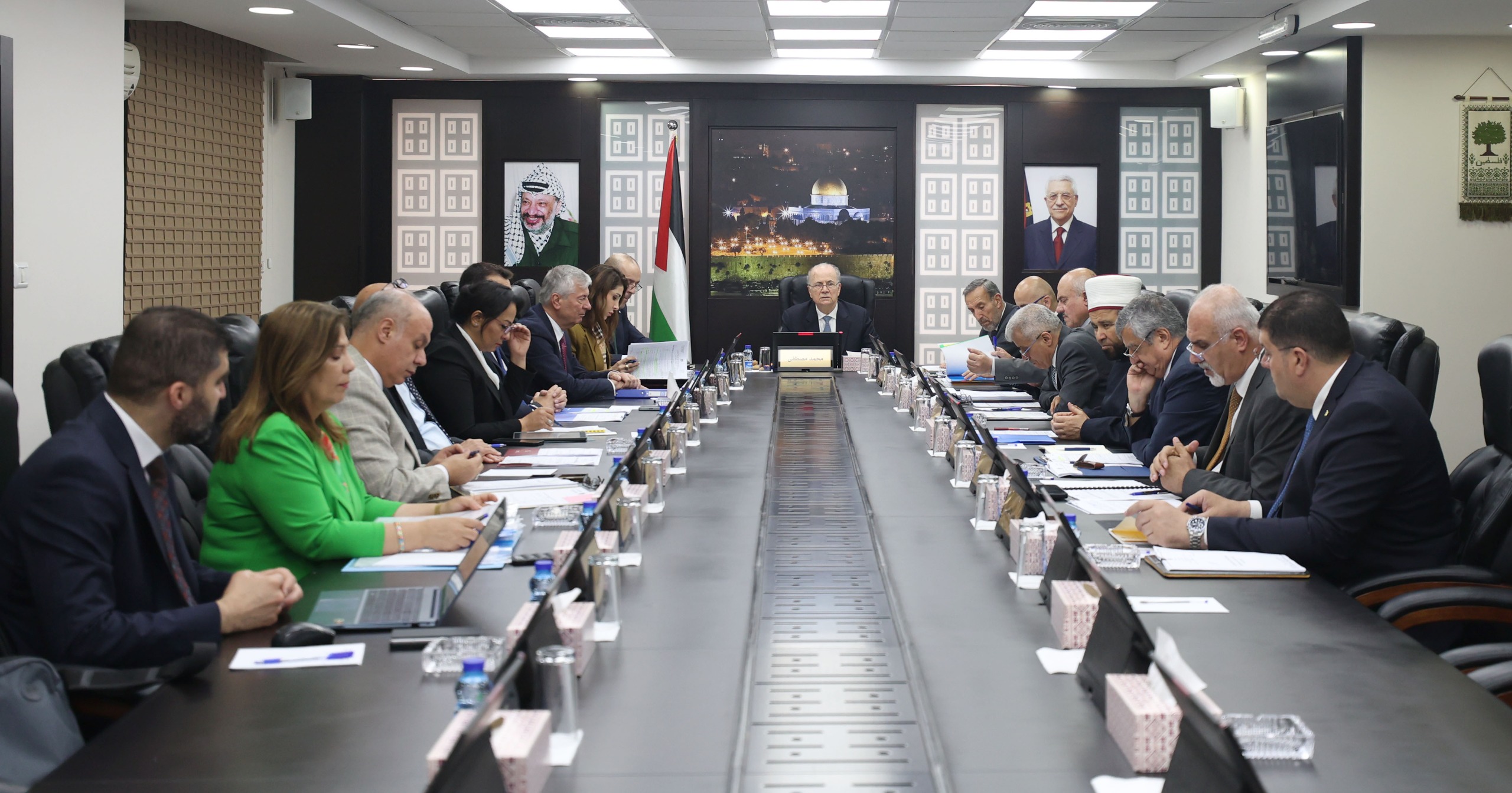
RAMALLAH, June 23, 2026 (WAFA) — The Palestinian Cabinet on Tuesday renewed its call on the international community to exert greater pressure on Israel to facilitate the immediate medical evacuation of more than 20,000 injured persons from the Gaza Strip for treatment abroad, underscoring that they continue to be denied medical treatment due to the destruction of most healthcare facilities and the severe restrictions imposed on the entry of medicines and medical supplies. The Cabinet warned of the worsening humanitarian situation and the risk of a complete collapse in the Strip as a result of renewed military aggression, attacks on civilians, and the obstruction of humanitarian aid and relief convoys.
During its weekly session held in Ramallah, the Cabinet also reviewed reports on the escalating acts of settler terrorism and crimes. Over the past week, settlers carried out a total of 31 attacks targeting 11 Palestinian villages, including the destruction and vandalism of dozens of civilian vehicles, damage to private property, and the establishment of new colonial installations (settlement outposts). These attacks coincided with Israeli occupation demolition operations targeting 26 Palestinian structures, in addition to 46 demolition notices issued against other structures.
Meanwhile, the Cabinet condemned the killing of a young man and a child by Israeli occupation forces in the town of Beit Ummar and the continued withholding of their bodies, describing the act as a twofold crime that reflects the brutality of the occupation and the systematic “ease of resorting to lethal force” pursued by its military leadership.
The Cabinet also held the Israeli occupation leadership fully responsible for the attacks carried out by terrorist settler militias, including the arson attacks that targeted two mosques in the villages of Jiljilya and Mazare’ al-Nubani during the past week. It stressed that such crimes constitute a blatant assault on the sanctity of places of worship and a dangerous escalation that requires urgent international action. The Cabinet further called on the international community to take concrete steps toward designating these settler militias as terrorist organizations and holding those responsible for their crimes accountable.
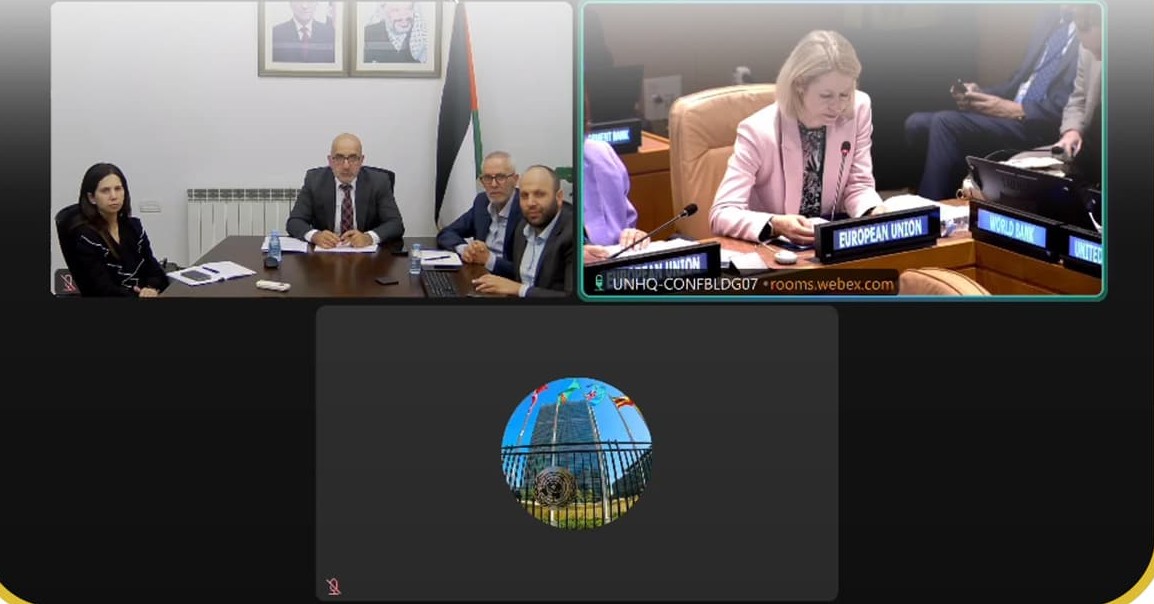
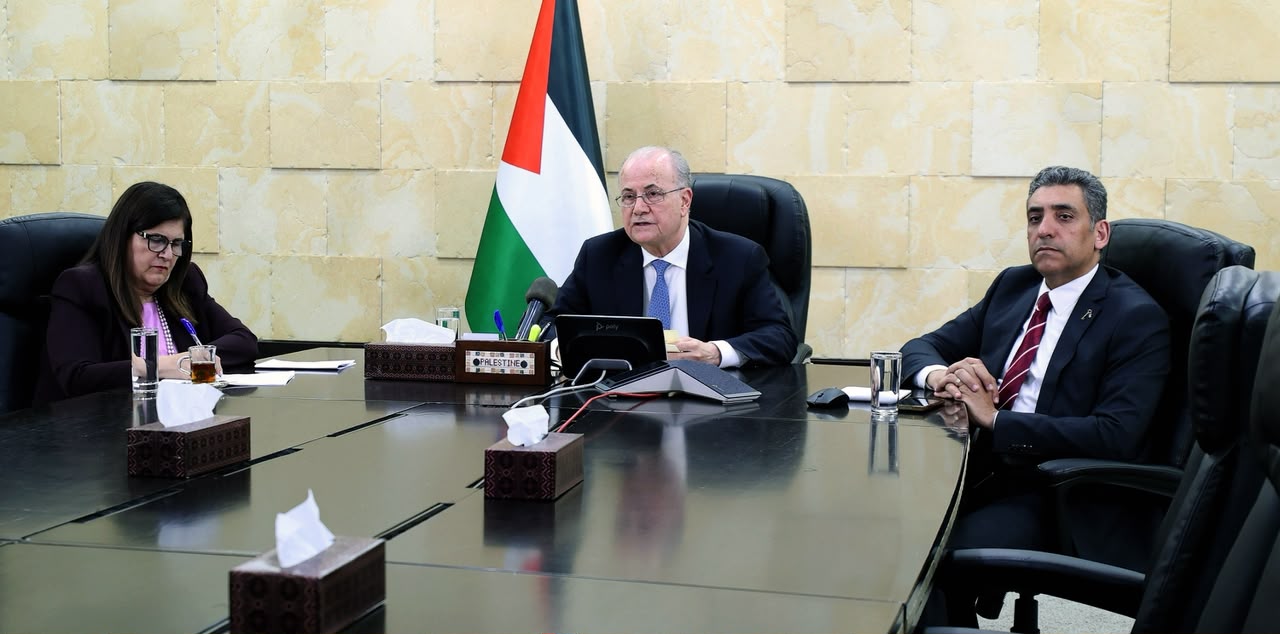
The Cabinet also received a briefing from the Minister of Finance on the current fiscal situation and ongoing efforts to secure financial resources amid the continued full withholding of Palestinian clearance revenues for nearly 15 straight months. In this regard, the Cabinet emphasized the importance of continuing the Government’s reform agenda, particularly in the areas of governance and public financial management.
It further commended President Mahmoud Abbas’ support for this process and his approval of the legislative amendments proposed by the Cabinet to Decree-Law No. (26) of 2024 concerning Value Added Tax (VAT). These amendments pave the way for the launch of an institutional development program within the Ministry of Finance, the establishment of a Higher Council for Public Revenues, and the restructuring and modernization of directorates across governorates. The measures are intended to strengthen compliance with international standards in combating tax evasion and smuggling, enhance integration among government departments, and improve revenue collection to ensure the continued provision of basic services during this challenging period. They build upon previous government actions aimed at controlling expenditures and directing revenues toward priority sectors under the 2026 Emergency Budget.
On another note, the Cabinet approved the General Policy for the Telecommunications and Information Technology Sector (2026–2028), which aims to develop and regulate the telecommunications sector, enhance competitiveness and digital transformation, improve the quality of government digital services, strengthen digital skills and institutional readiness, and promote digital trust and data governance.
As part of the Government’s plan to modernize the healthcare sector and digitize services, the Cabinet approved the replacement of paper health insurance cards with smart cards. This measure will help accelerate patient transactions, enhance security and privacy, improve data accuracy, reduce paper usage and printing costs, and enable the future expansion of smart-card-based services.
The Cabinet also discussed, in its second reading, a draft amended regulation governing childcare centers and nurseries, together with the accompanying executive instructions for the year 2026.
In addition, the Cabinet approved the reconstitution of the Dispute Review Committees within the Higher Council for Public Procurement Policies, with the aim of strengthening governance and improving the review of grievances submitted by suppliers, contractors, and service providers in accordance with the provisions of the Public Procurement Law.
The Cabinet also formed a multidisciplinary task force comprising relevant authorities to address landfill-related problems and develop comprehensive technical and administrative solutions to this issue.
T.R.