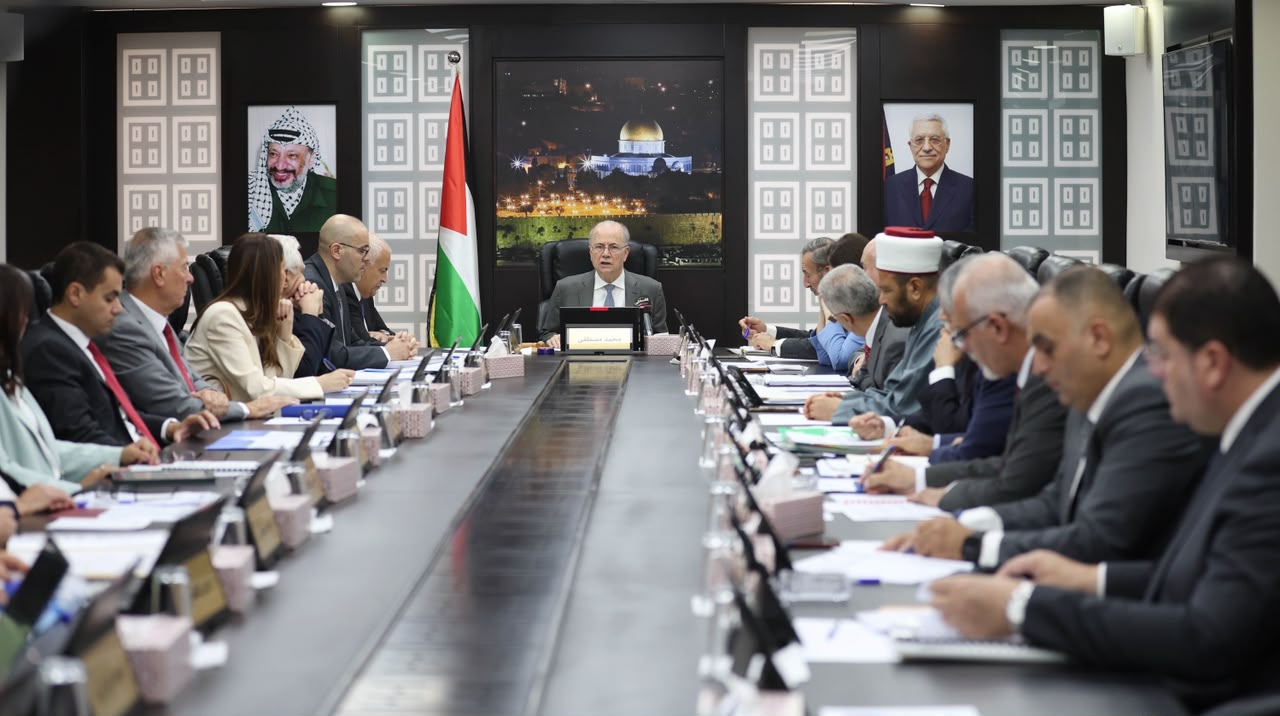
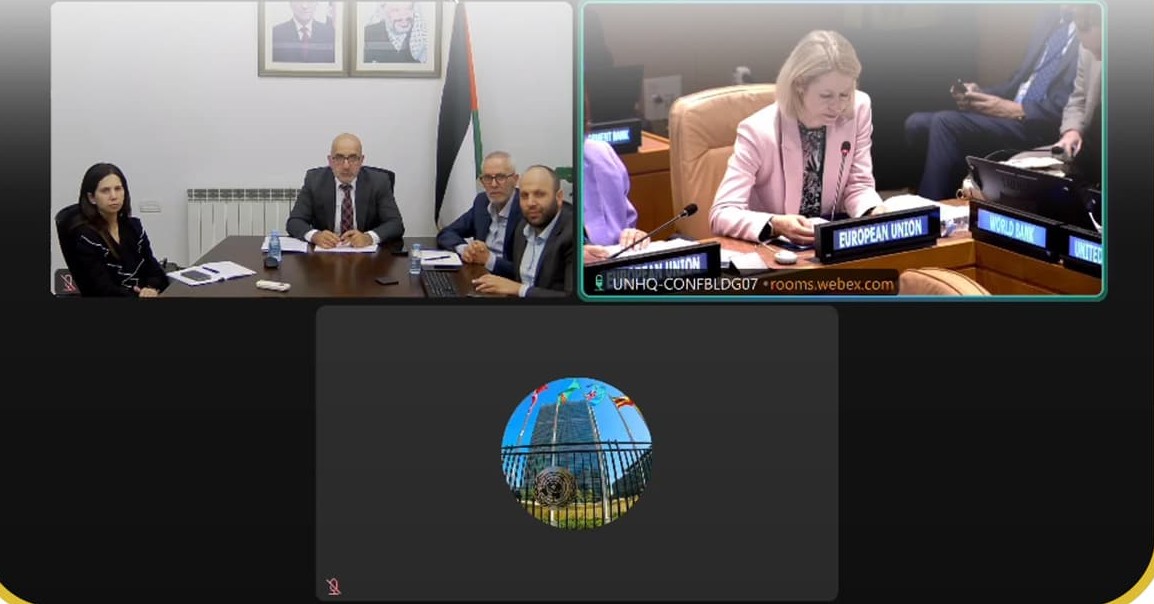
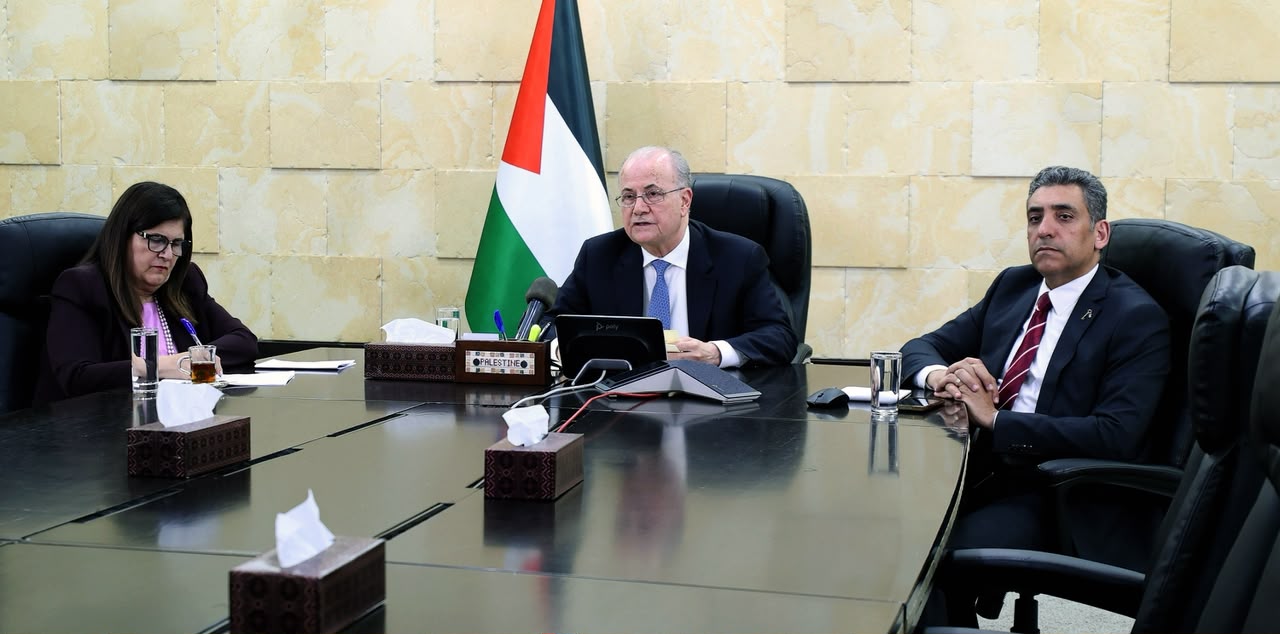
RAMALLAH, December 23, 2025 (WAFA) – The Government Operations Room for Emergency Interventions in the Gaza Strip warns of the continued deterioration of the humanitarian situation in the Gaza Strip, driven by persistent severe food insecurity and Israel’s ongoing obstruction of aid entry, with only limited access granted for relief supplies and essential humanitarian assistance. This has further intensified the suffering of civilians and displaced populations.
Based on the latest Integrated Food Security Phase Classification (IPC) report, the Operations Room confirms that the majority of Gaza’s population continues to face severe acute food insecurity. The report indicates that approximately 1.6 million people are experiencing high levels of acute food insecurity, including tens of thousands in emergency and catastrophic phases.
The Operations Room notes that humanitarian aid flows into Gaza remain subject to strict Israeli restrictions, preventing assistance from reaching the population in the quantity and quality required to meet overwhelming humanitarian needs. Between 1 October and 16 December 2025, 23,428 aid trucks entered Gaza through the Karm Abu Salem crossing and the “Zikim” and “Kissufim” gates—an average of only 304 trucks per day. Notably, 42% of these were commercial trucks carrying predominantly non-essential goods rather than basic humanitarian supplies.
Children and Women Most Affected
The Government Operations Room stresses that children and women are bearing the heaviest burden of the crisis. According to the IPC data, more than 101,000 children under the age of five are projected to suffer from acute malnutrition in the coming period, including thousands of severe cases. In addition, approximately 37,000 pregnant and lactating women require urgent nutritional treatment, posing serious long-term risks to public health and the future of Gaza’s population.
Furthermore, the Operations Room emphasizes that the continued prevention of the entry of materials required for relief and early recovery interventions remains a major obstacle to meeting even minimum humanitarian needs and undermines efforts to transition from emergency response to early recovery.
Accordingly, the Government Operations Room renews its call on the international community to take immediate action, including:
• Pressuring the Israeli Occupation to ensure the safe, sustained, and unhindered entry of humanitarian and commercial aid through all crossings into the Gaza Strip.
• Lifting restrictions on essential imports, including food, agricultural inputs, nutrition supplies, healthcare materials, water and sanitation items, and shelter supplies, to enable a transition from emergency response to early recovery and, ultimately, reconstruction.
The Government Operations Room warns that maintaining the current conditions effectively traps the population in a prolonged state of emergency relief, undermining any real prospects for stability or recovery. It cautions that any further delay in scaling up a sustained and effective humanitarian response could once again push hundreds of thousands of people to the brink of famine.
Y.S