NEW YORK, February 7, 2010 (WAFA)- Israel has failed to demonstrate that it will conduct thorough and impartial investigations into alleged laws-of-war violations by its forces during last year's Gaza conflict, Human Rights Watch said today.
An independent investigation is needed if perpetrators of abuse, including senior military and political officials who set policies that violated the laws of war, are to be held accountable, Human Rights Watch added in a statement.
On February 4, 2010, Human Rights Watch met with military lawyers from the Israeli Occupation Forces IOF) to discuss the investigations. While the military is conducting ongoing investigations, officials did not provide information showing that these will be thorough and impartial or that they will address the broader policy and command decisions that led to unlawful civilian deaths, Human Rights Watch said.
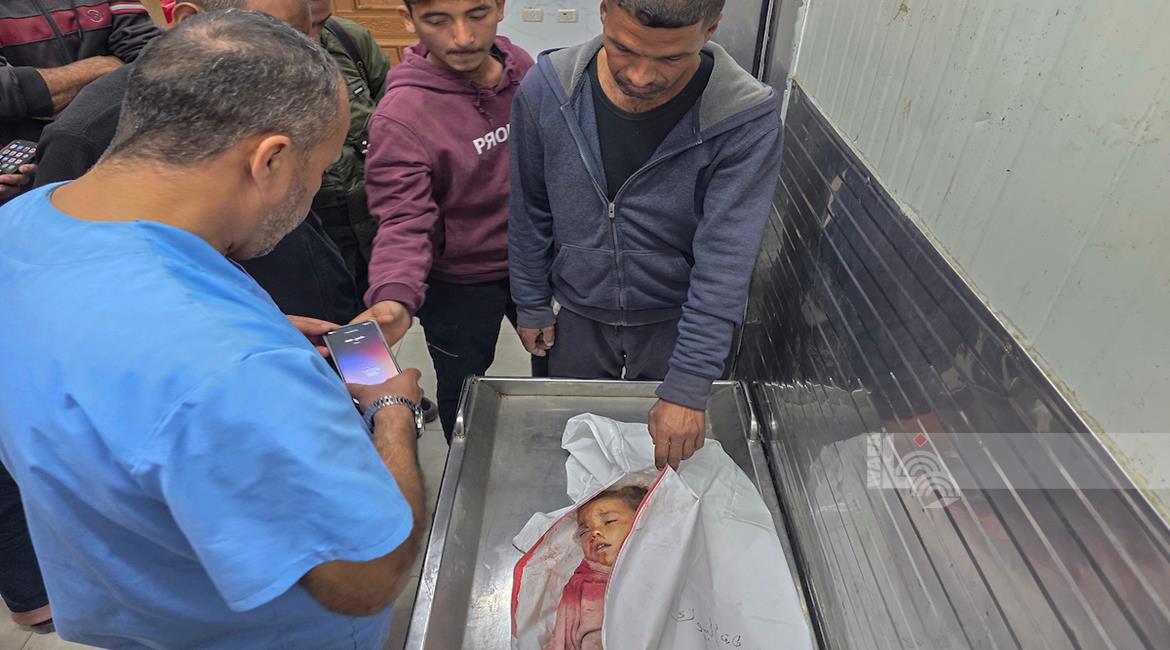
'Israel claims it is conducting credible and impartial investigations, but it has so far failed to make that case,' said Joe Stork, deputy Middle East director for Human Rights Watch. 'An independent investigation is crucial to understand why so many civilians died and to bring justice for the victims of unlawful attacks.'
In one case, a military investigation apparently missed an important piece of evidence: remains of an aerial bomb found in the Al-Badr flour mill outside Jabalya. Israel denied targeting the mill from the air, as alleged by the United Nations Fact-Finding Mission on the Gaza Conflict. However, video footage obtained by Human Rights Watch and released today shows the apparent remains of an Israeli MK-82 500-pound aerial bomb in the damaged mill, and UN de-miners say they defused the bomb.
To date, Israeli military courts have convicted only one soldier of wartime abuse during the Gaza conflict, for theft of a credit card.
The Israeli military lawyers said the military was investigating all cases reported by Human Rights Watch. Seven of the cases are criminal investigations into the alleged shooting of civilians waving white flags, they said. The military had originally dismissed Human Rights Watch's report on these cases as based on 'unreliable witness reports.'
The Israeli military has thus far examined specific incidents but not broader policies that may have caused civilian casualties in violation of the laws of war, Human Rights Watch said.
An independent investigation should examine the pre-operation decisions that led to civilian casualties, Human Rights Watch said. These include the decision to target Hamas's political infrastructure; the use of heavy artillery and white phosphorus munitions in populated areas; and the apparently permissive rules of engagement for drone operators and ground forces.
'The Israeli investigations so far have looked mostly at soldiers who disobeyed orders or the rules of engagement, but failed to ask the crucial question about whether those orders and rules of engagement themselves violated the laws of war,' Stork said. 'For those decisions and policies, senior military and political decision-makers should be held responsible.'