- Between 60% and 75% of surviving journalists in Gaza have lost their homes or been forcibly displaced
- About 265 journalists have been killed since the beginning of the Israeli aggression
RAMALLAH, June 28, 2026 (WAFA) – The Freedoms Committee of the Palestinian Journalists Syndicate said that widespread displacement has become a daily reality for between 60% and 75% of the surviving journalists in the Gaza Strip since October 7, 2023.
In a report issued on Sunday titled "Media Without Walls: The Reality, Impact, and Testimonies of the Displacement Journey of Journalists in the Gaza Strip," the committee said: "Since October 7, 2023, journalists in the Gaza Strip have been subjected to unprecedented targeting that has affected their lives, workplaces, and homes, as part of a war that has sought not only to silence their voices but also to uproot their entire environment."
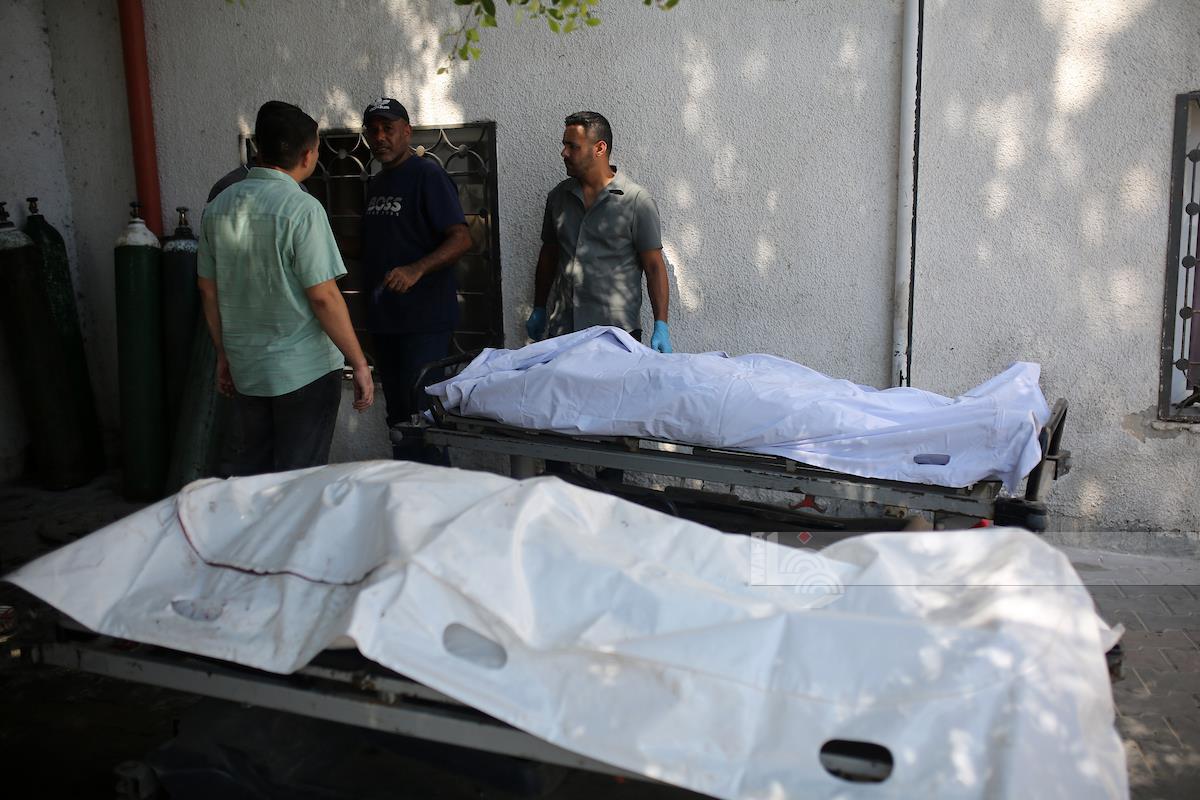
The committee said its data indicate that about 265 journalists have been killed since the beginning of the Israeli aggression, marking one of the highest death tolls recorded globally for journalists in a single conflict, stressing that equally concerning is the widespread displacement endured by the journalists who have survived.
Displacement by the numbers
The committee said that, with approximately 1,200 journalists in the Gaza Strip, it estimates that between 60% and 75% have lost their homes or been forcibly displaced, representing between 700 and 900 journalists.
It added that more than 80% of media offices and institutions have been completely or partially destroyed, leading to the near-total collapse of the infrastructure needed for journalistic work.
Journalism without walls
The committee explained that journalists in Gaza no longer work from newsrooms, but instead report from tents, sidewalks, or corners of shelters, adding that mobile phones have become their primary reporting tools. At the same time, intermittent internet access dictates the pace of publication, and public spaces have effectively become makeshift substitutes for news offices.
Journalists recount life in displacement
Dr. Ahed Ferwana, one of the displaced journalists, said: “I lost my home and my office in the same week. I no longer have a place to write, but I write from my phone while surrounded by people, sometimes while searching for water for my family.”
Journalist Ola Kassab said, “I work from inside a shelter and choose the quietest corner possible. The hardest part is not the shelling, but trying to concentrate amid overcrowding and fear.”
Photojournalist Wissam Zughair added: "The camera is no longer the heaviest thing I carry, but rather the feeling that I am documenting what could happen to me as well."
Professional and humanitarian consequences
The committee stressed that losing both shelter and a workplace is not merely a material loss, but directly affects the quality of journalistic work, journalists’ safety, and their ability to verify and document information. It added that it also limits their ability to protect sources and weakens professional standards under prevailing conditions.
Media environment on the brink of collapse
The committee pointed out that, in the absence of safe workplaces, amid power outages, telecommunications disruptions, and the dispersal of journalistic teams, media work has become an individual struggle for professional survival rather than organized institutional work.
It affirmed that what is taking place in the Gaza Strip represents the systematic destruction of the media working environment, rather than merely the targeting of individual journalists.
It called for urgent international protection for journalists in the Gaza Strip, support for establishing safe temporary workspaces for displaced journalists, pressure to prevent the targeting of media institutions, and the provision of psychological and professional support for affected journalists.
The committee concluded that “Media Without Walls” is no longer a figurative description but a daily reality for journalists who continue to carry out their work under the harshest conditions, despite losing their workplaces and the protection once provided by walls that have been obliterated by rockets and shells fired by the Israeli occupation army.
T.R.