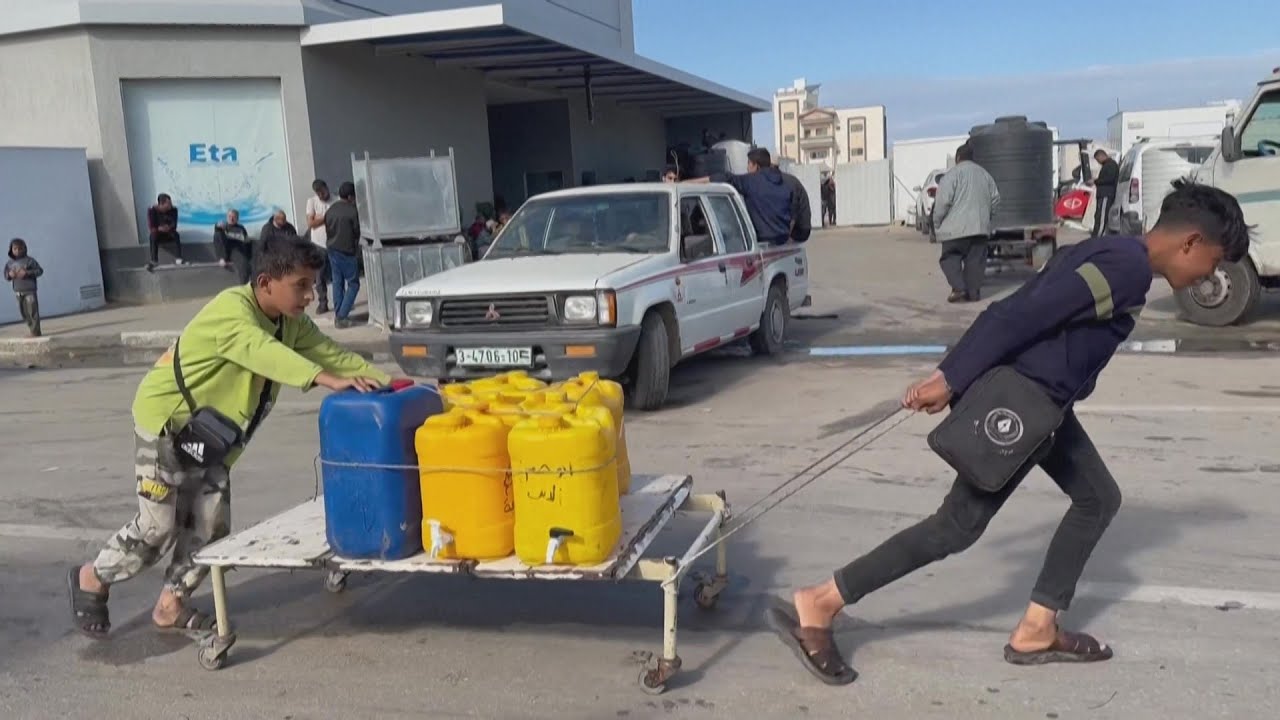
GAZA, May 13, 2026 (WAFA) – A report issued by Doctors Without Borders (MSF) revealed a sharp decline in water, sanitation, and hygiene (WASH) services in the Gaza Strip since October 2023, a consequence of Israeli policies and practices that have resulted in widespread deprivation of essential services for the population.
The report said the findings are based on operational data and medical evidence collected by MSF teams between January 2024 and December 2025, along with recent field testimonies. It concluded that the denial of water and sanitation services is not accidental, but rather a direct result of systematic measures that have imposed harsh living conditions on approximately 2.1 million people in the Gaza Strip.
The report noted that Gaza residents are facing a worsening water shortage, despite MSF being one of the largest water providers, producing or distributing up to 4.7 million liters per day until early 2026. However, these quantities are insufficient to meet the growing needs.
In several areas, water has repeatedly run out at distribution points, forcing residents to rely on unsafe sources or reduce their water consumption. The report indicated that water prices have risen dramatically, with private sector water prices increasing by approximately 500%, making it unaffordable for most families, especially given the loss of income.
Regarding sanitation services, the report said that the systems have effectively collapsed, forcing many families to resort to rudimentary solutions, such as digging makeshift latrines or share limited facilities among large numbers of people, significantly increasing risks of contamination and disease spread.
The report also noted that the accumulation of waste and the decline in cleaning services, resulting from fuel shortages and the shutdown of collection systems, have contributed to the spread of bacteria and pollutants, particularly during the rainy season, further compounding the health and environmental challenges.
The report highlighted a severe shortage of basic hygiene supplies, such as soap, sanitizers, and personal hygiene products, which are either unavailable or prohibitively expensive.
Doctors Without Borders emphasized that this situation reflects a worsening humanitarian crisis requiring urgent intervention to ensure access to even the most basic services for the population.
They warned of the continued deterioration and the grave risks it poses to public health in the Gaza Strip.
Y.S