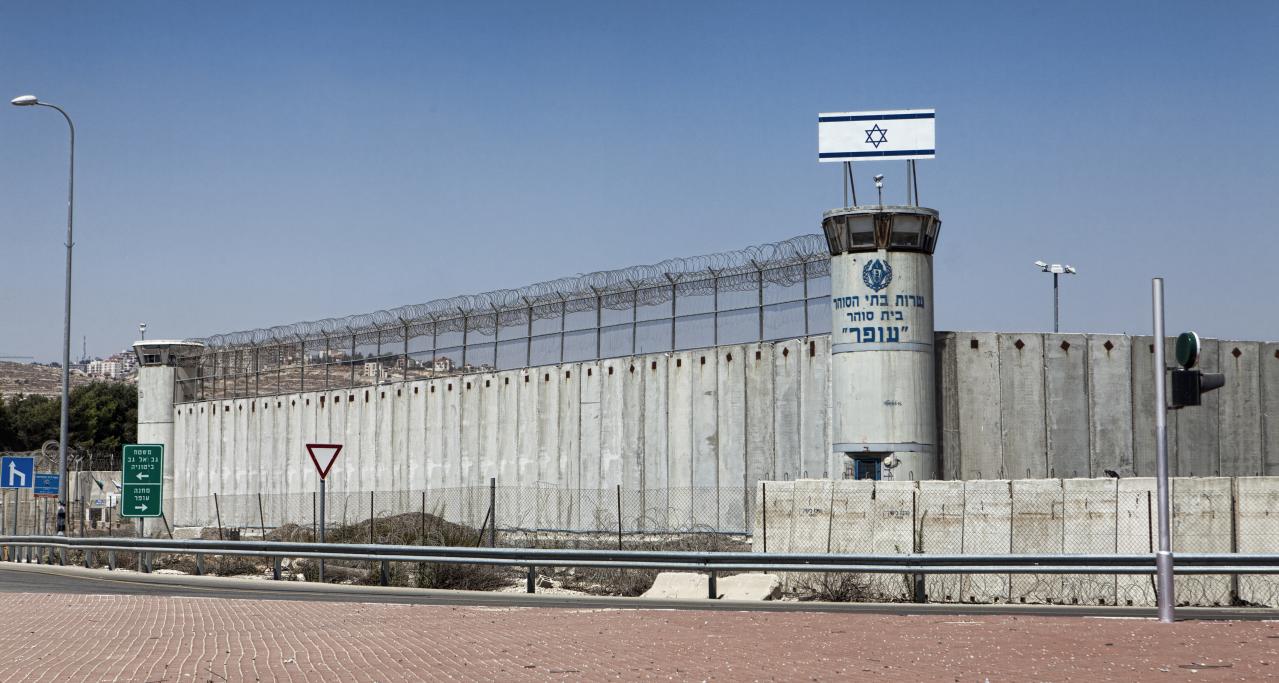
RAMALLAH, September 13, 2026 (WAFA) — The Commission of Detainees and Ex-Detainees Affairs on Sunday reported a deterioration in the health and humanitarian conditions of three Palestinian prisoners held in the Israeli occupation’s Ofer prison, including an elderly prisoner suffering from chronic illnesses and injuries sustained during his detention.
The commission said in a statement that 60-year-old Maher Rizq Naasan, from Al-Mughayyir village, near Ramallah, was detained by Israeli forces on July 6, 2026, after his vehicle was stopped at a flying checkpoint north of Ramallah. He was unreachable for several hours before his detention was confirmed.
According to testimonies from released prisoners who met with Naasan, he was severely beaten during his detention and held for hours under the sun. Cigarettes were also extinguished on his body. His vehicle was confiscated for a week, while personal documents, identification cards and land ownership papers in his possession were also seized.
The commission said Naasan suffers from several chronic conditions that have worsened due to detention conditions and medical neglect, including a herniated disc in his fourth vertebra, for which he had been scheduled to undergo surgery before his detention. He also suffers from inflammation in a leg joint, colon problems and abdominal pain, as well as severe and persistent pain in his shoulder, back and chest resulting from the alleged assault during his detention. Marks of the beating remain visible on his body.
Naasan is serving the second month of a four-month administrative detention order. He is a father of three sons and four daughters.
In another case, the commission said 23-year-old Rafiq Raed Qabaj, from Al-Bireh, has suffered from an elevated heart rate since before his detention and requires medication to regulate it. He also suffers from scabies, which has spread throughout the entire section due to poor hygiene.
Qabaj has been detained since February 12, 2026, and is serving his second four-month administrative detention order. He is a university student studying pharmacy.
The commission also cited prisoner Ali Abed Barghouthi, from Beit Rima, who said prisoners are unable to change their clothes regularly and wash them during outdoor recreation periods without cleaning supplies because the quantities provided are insufficient for all prisoners in a room. A shortage of underwear has also contributed to the spread of scabies.
Barghouthi, who has been detained since December 15, 2025, added that repression inside the section is carried out at certain times through raids on cells, searches, tampering with prisoners' belongings and confiscation of some items. He said prison authorities also deliberately prevent prisoners from performing communal prayers and punish those who lead prayers.
The commission called for urgent intervention to ensure that prisoners, particularly sick and elderly detainees, receive necessary medical care, and urged an end to assaults and medical neglect and improvements in humanitarian conditions inside Israeli prisons in accordance with international and humanitarian standards.
M.N