RAMALLAH, November 6, 2026 (WAFA) – Israeli occupation forces and colonists committed 760 systematic environmental violations across the occupied West Bank from the beginning of 2026 through the end of September, targeting agricultural land, vegetation, water resources and infrastructure, the Palestinian Environmental Quality Authority said on Friday.
In a statement marking the International Day for Preventing the Exploitation of the Environment in War and Armed Conflict, observed annually on November 6, the authority said the violations included bulldozing agricultural land and nature reserves, expanding settlements, destroying trees and vegetation, damaging water resources and irrigation and sewage networks, and dumping hazardous waste.
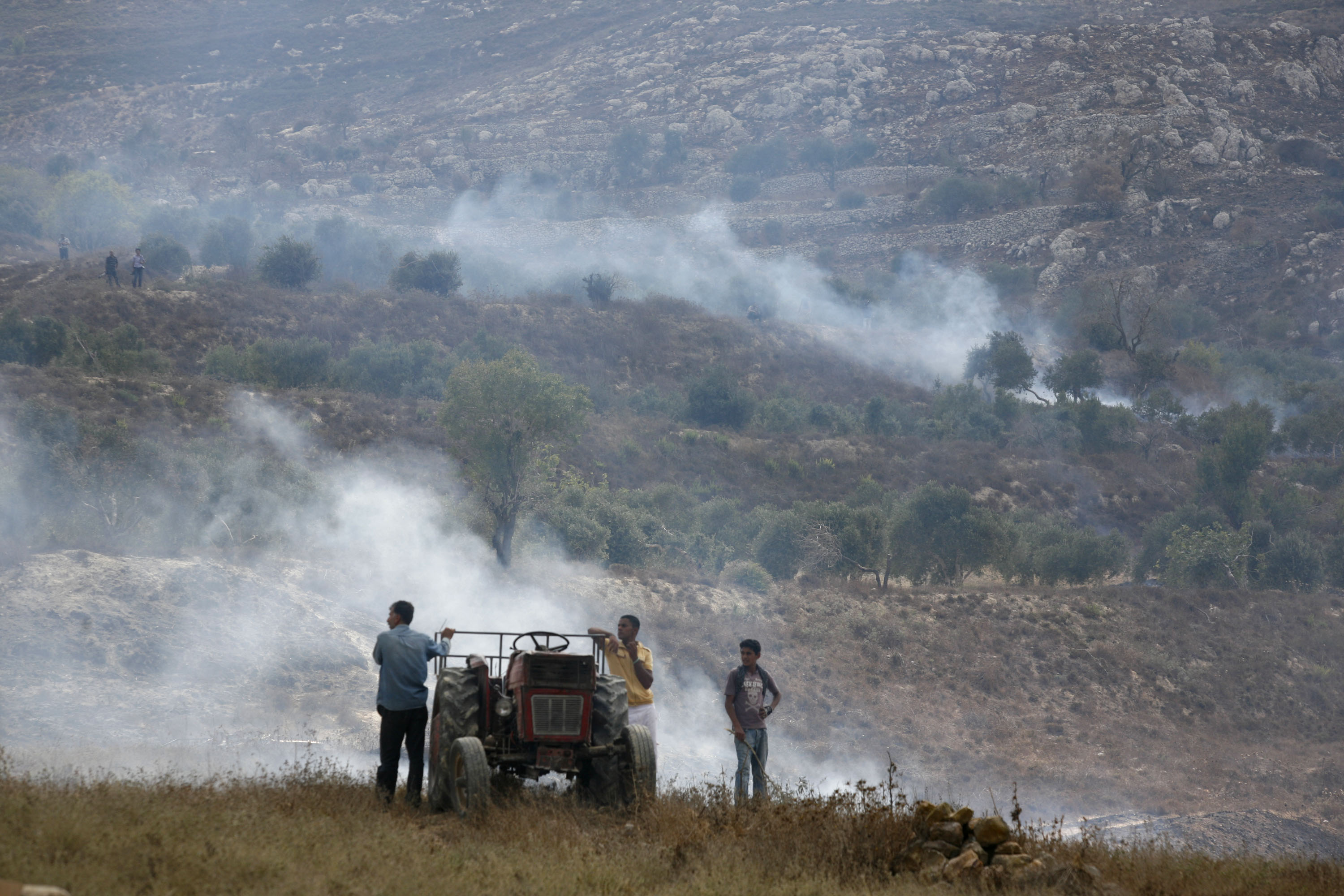
The authority documented 203 attacks targeting agricultural land and nature reserves. These included the bulldozing of olive groves, construction of colonial roads, seizure of thousands of dunums under military pretexts or through the Israeli Antiquities Law, fencing off land to establish colonial herding outposts, and burning agricultural greenhouses.
It also recorded 178 attacks against forests and vegetation, involving the uprooting of thousands of fruit-bearing and perennial trees, including approximately 100,000 olive trees by the end of September. The resulting losses were estimated at $67 million. Wheat and barley fields were also burned using tear gas canisters and incendiary bottles.
Regarding hazardous waste and demolition debris, the authority reported 185 violations involving the accumulation of thousands of tons of construction waste and rubble mixed with metals and plastics following demolition and explosive operations, particularly in Jenin and Tulkarm governorates and their refugee camps. Residential, commercial, industrial and agricultural facilities were also targeted across several governorates.
The violations also included the theft of hundreds of livestock and the release of colonists' livestock to damage agricultural fields and harass Palestinian shepherds. The authority documented 52 attacks targeting food security and livestock, alongside 37 attacks on water sources and wells, including filling rainwater collection, artesian and agricultural wells with concrete or burying them using bulldozers, destroying springs and water tanks, and taking control of several springs.
Additionally, 35 attacks targeted water transmission pipelines and irrigation networks. These included the bulldozing and destruction of water lines in Dhannaba, Nur Shams refugee camp and Tubas, as well as the destruction of the main pipeline supplying the Birin area in Khallet al-Furn, depriving approximately 450 Palestinians of water. Another pipeline serving the village of Ad-Duqaiqa was cut, leaving 700 residents without water in Hebron governorate.
The authority also documented five attacks on sewage networks, resulting in the destruction and bulldozing of infrastructure and the suspension of wastewater drainage in refugee camps in Jenin and Tulkarm governorates.
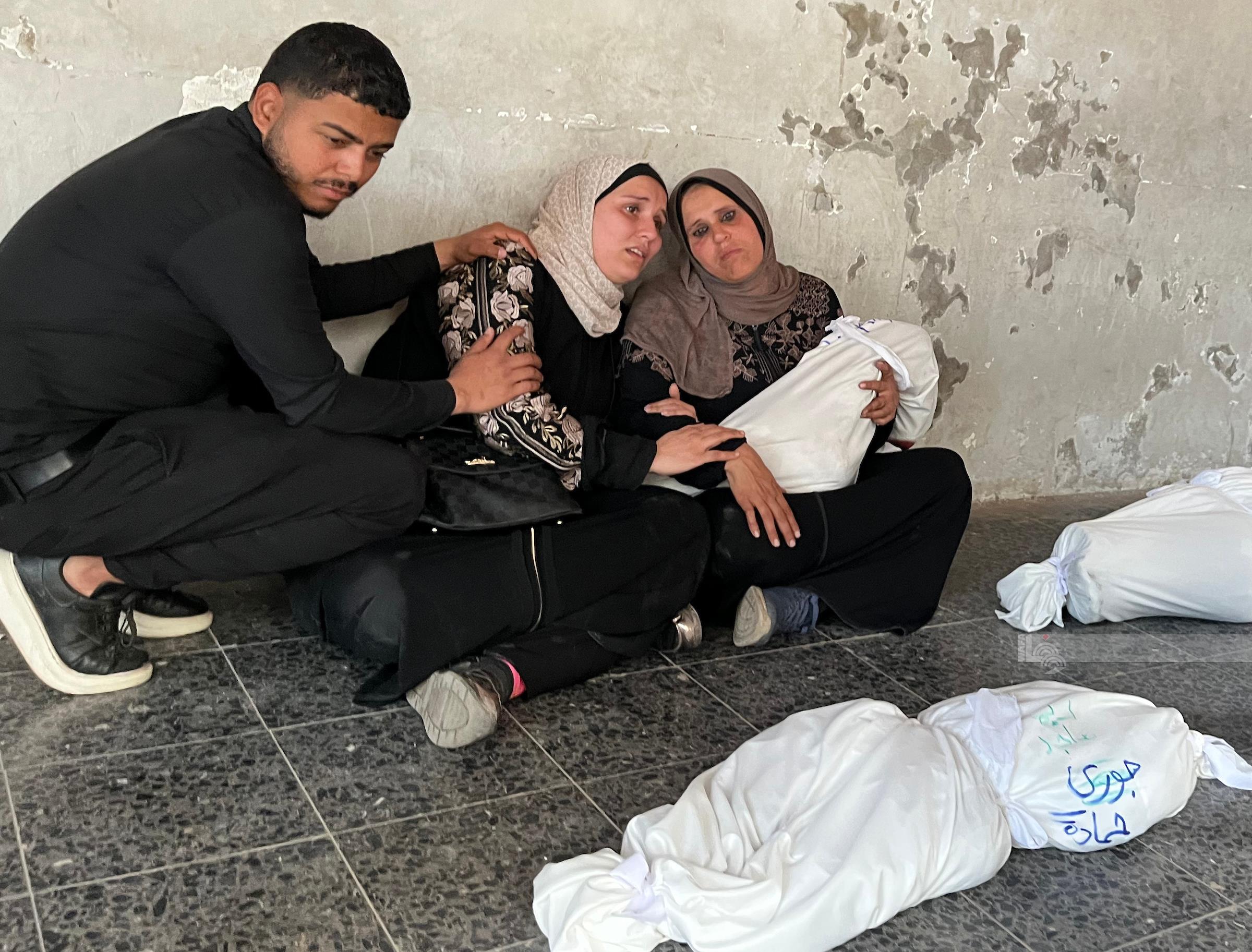
In the Gaza Strip, the authority said the territory is facing a widespread environmental and humanitarian catastrophe due to destruction caused by Israel's military offensive.
It estimated that between 61 million and 68 million tons of rubble and destroyed buildings have accumulated across Gaza, averaging 107 kilograms of debris per square meter. This includes approximately four million tons of hazardous waste, at least 50,000 tons of asbestos, and more than 100,000 tons of explosive remnants, munitions and white phosphorus.
The authority added that the offensive had destroyed or bulldozed 82% of agricultural land, 97% of fruit-bearing and olive trees, and 95% of vegetation cover. The Wadi Gaza Nature Reserve, an important migratory route for birds, has also become contaminated by sewage.
It further reported that 84% of Gaza's water and sanitation infrastructure had been destroyed, resulting in the leakage and discharge of approximately 120,000 cubic meters of untreated wastewater daily into streets and water bodies. This has contributed to rising rates of disease, with cases of watery diarrhea increasing 36-fold and jaundice cases rising 384-fold compared with pre-war levels.
The Environmental Quality Authority said the documented and systematic violations constitute, in its assessment, environmental war crimes and violate Article 8 of the Rome Statute of the International Criminal Court, as well as provisions of the Fourth Geneva Convention and Additional Protocol I of 1977.
The authority called on the international community to fulfill its legal and moral responsibilities toward the Palestinian people, work toward ending the Israeli occupation of Palestinian territory, and enable Palestinians to exercise their right to self-determination and control, protect and preserve their natural resources.
M.N