GENEVA, November 2, 2026 (WAFA) - On the International Day to End Impunity for Crimes against Journalists, the UN experts called on States to urgently strengthen investigations, prosecutions and remedies for attacks against journalists, warning that persistent impunity enables violence against the press to perpetuate itself across generations and borders.
“Impunity is not simply the absence of justice after a journalist is attacked or killed. It is a catalyst for future attacks. It tells perpetrators that those who silence journalists are unlikely to face accountability while sending a message of fear to journalists and all those who seek to expose corruption, organized crime, human rights violations or abuses of power,” the experts said.
In a statement, the experts noted that UNESCO data show the scale of the challenge. “More than 1,800 journalists were killed worldwide between 2006 and 2025, while close to nine out of ten killings remain judicially unresolved. Journalists also face arbitrary detention, enforced disappearance, physical violence, online attacks, surveillance, intimidation and judicial harassment.”
“Behind every unresolved killing lies information that somebody tried to silence. Effective investigations must therefore examine not only who physically carried out an attack, but who ordered, planned, financed or benefited from it, including whether the crime was connected to the journalist’s work,” the experts said.
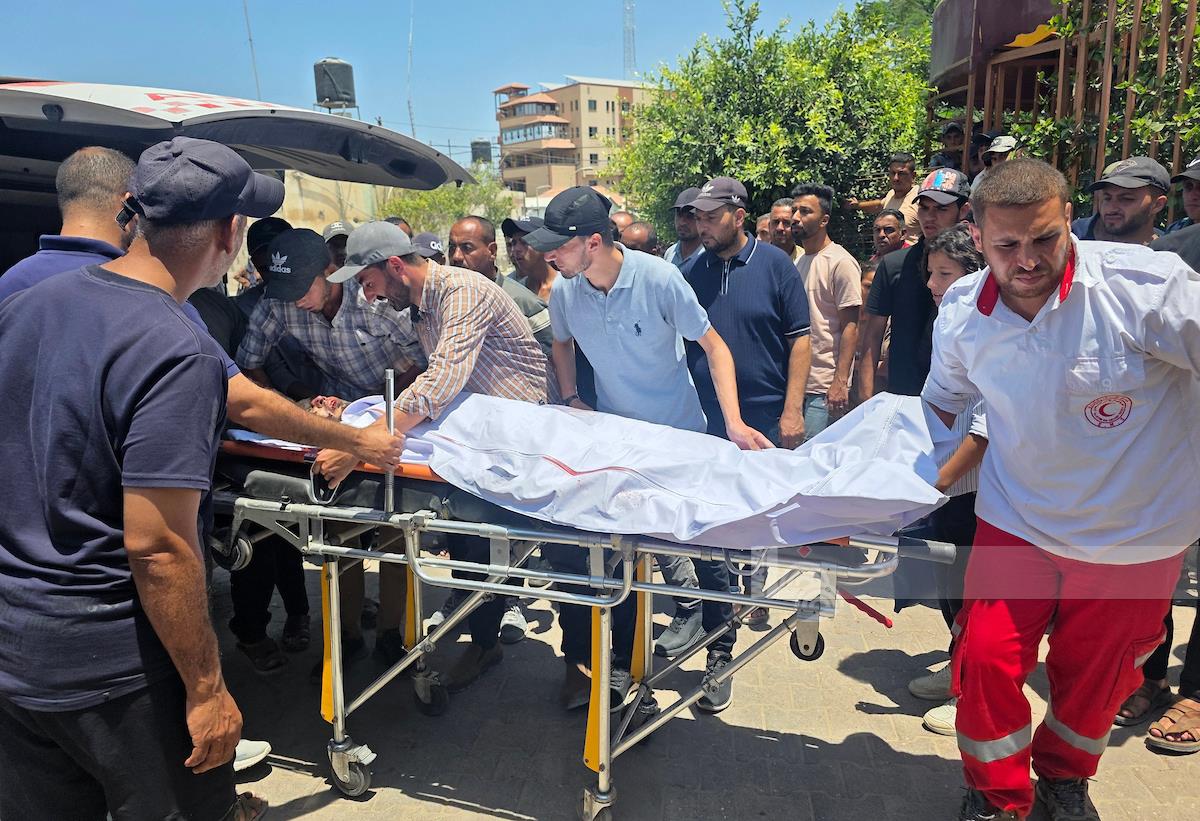
The expert highlighted the unprecedented situation of Palestinian journalists. They said: The Special Rapporteur on the situation of human rights in the Palestinian territories occupied since 1967, in her 2026 report “Truth under the rubble: media in the time of genocide” to the General Assembly, documents that nearly 300 journalists have been killed by Israeli forces since October 2023 and more than 400 wounded. “Her report identifies around 70 journalists allegedly killed in reprisal for their work and calls for independent, prompt and effective investigations, accountability for violations, and the preservation of journalistic material as potential evidence in future accountability proceedings.”
The UN experts also recalled the Guidelines on strengthening the protection of journalists working in situations of armed conflict. “The Guidelines reaffirm that journalists are protected as civilians under international humanitarian law and call for stronger measures to prevent attacks, ensure accountability, guarantee safe and meaningful access to conflict zones, and strengthen coordinated action by States, international organizations and media actors to translate existing legal protections into effective safeguards on the ground.
“Gaza has demonstrated with devastating clarity why protecting journalists in armed conflict is inseparable from accountability. Their reporting, criticism or perceived political views do not make them legitimate military targets” the experts noted.
The UN experts urged States to promptly, independently and effectively investigate all attacks against journalists; protect victims, witnesses and their families; ensure accountability at all levels of responsibility; and strengthen independent mechanisms to safeguard journalists’ safety. “Journalists play a vital role in enabling the rights to seek, receive and disseminate information and are entitled to protection and effective remedies in accordance with states’ human rights obligations.”
“Justice for crimes against journalists cannot depend on geography, political influence or the identity of the perpetrator. When journalism is attacked with impunity, society loses witnesses, evidence and ultimately its ability to access the truth and hold power to account,” the experts said.
T.R.