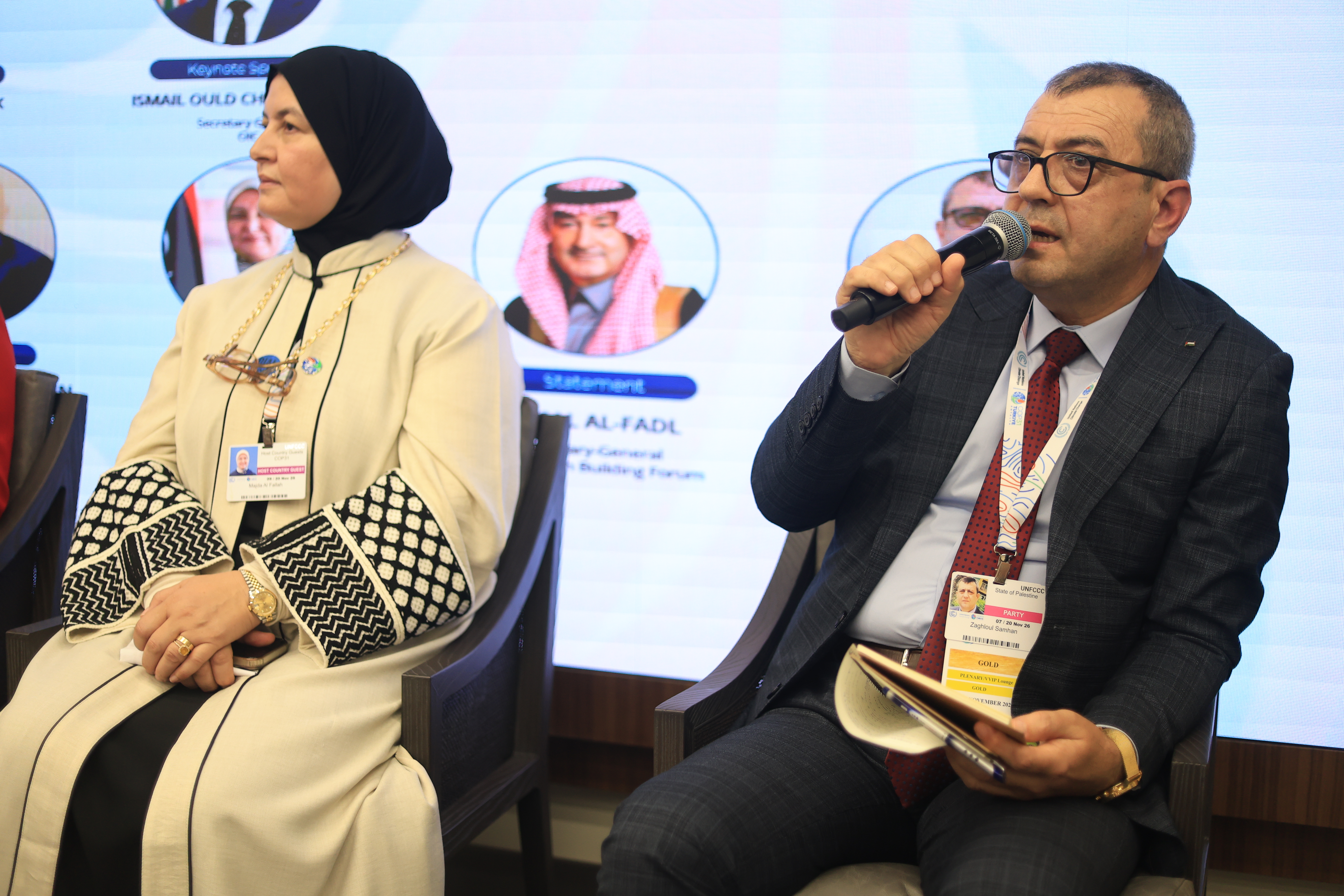
ANTALYA, November 13, 2026 (WAFA) – Head of the Environment Quality Authority, Zaghloul Samhan, reviewed the state of mobility in Palestine and the challenges imposed by the Israeli occupation on citizens’ movement and urban expansion.
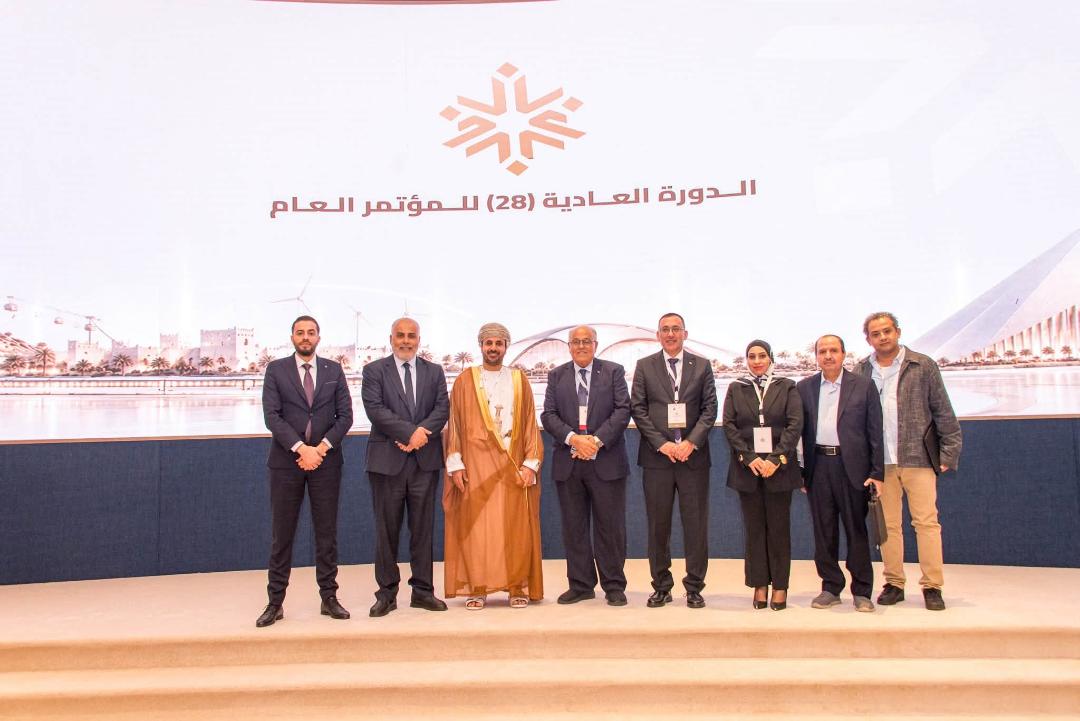
His remarks came during his participation in a panel discussion entitled "Greening Urban Mobility in OIC Member States: Moving Cities Towards a Climate-Ready Future," held at the Pavilion of the Republic of Türkiye on the sidelines of the 31st session of the Conference of the Parties to the United Nations Framework Convention on Climate Change (COP31), currently being held in the Turkish city of Antalya.
During his intervention, Samhan presented several recommendations for developing sustainable urban mobility systems. These included bridging gaps in integrated planning by linking planning, connectivity, and financing; ensuring that transport projects are inclusive of all segments of society; adopting innovative solutions applicable at the national level; and exchanging expertise and knowledge among Member States of the Organization of Islamic Cooperation (OIC).
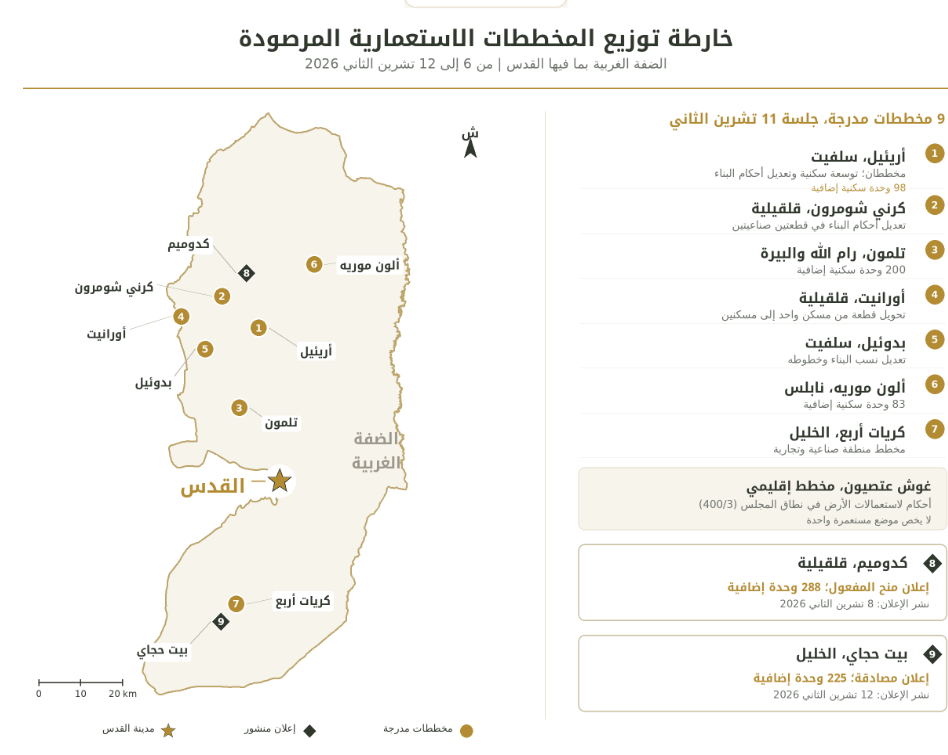
Samhan explained that Israeli occupation measures are suffocating Palestinian cities and villages, restricting urban expansion and the opening of new roads amid the lack of Palestinian control over the land.
He pointed out that this places increasing pressure on roads within cities and villages due to natural population growth and the growing need to construct new roads, as well as expand and maintain existing ones.
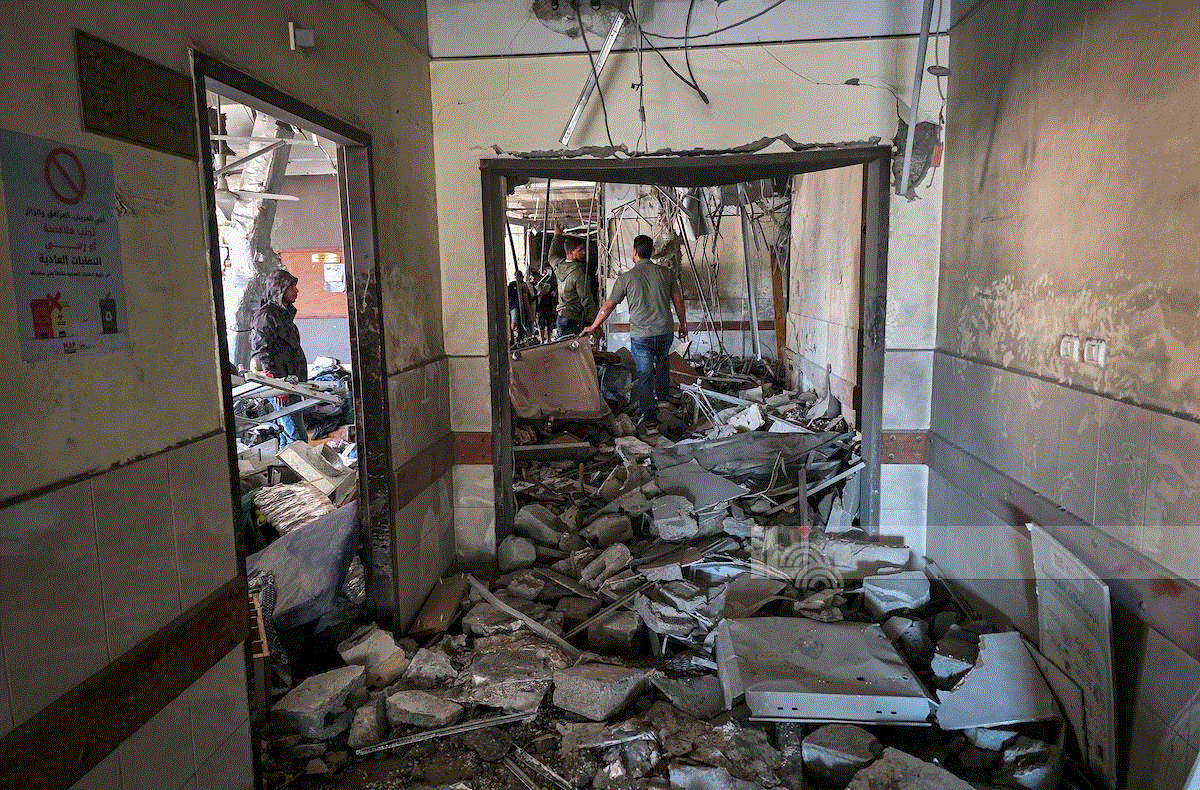
He added that the transport sector in the Gaza Strip has suffered complete destruction, including roads, vehicles, the airport, and the seaport.
Despite these challenges, Samhan noted that Palestine is working through its national plans and policies to promote the use of public transport, increase the share of electric and hybrid vehicles, develop the legal and institutional frameworks governing the transport sector, strengthen oversight and inspection efforts, and control emissions generated by the sector.
The session was organized by the Statistical, Economic and Social Research and Training Centre for Islamic Countries (SESRIC), in cooperation with the Organization of Islamic Cooperation (OIC).
T.R.