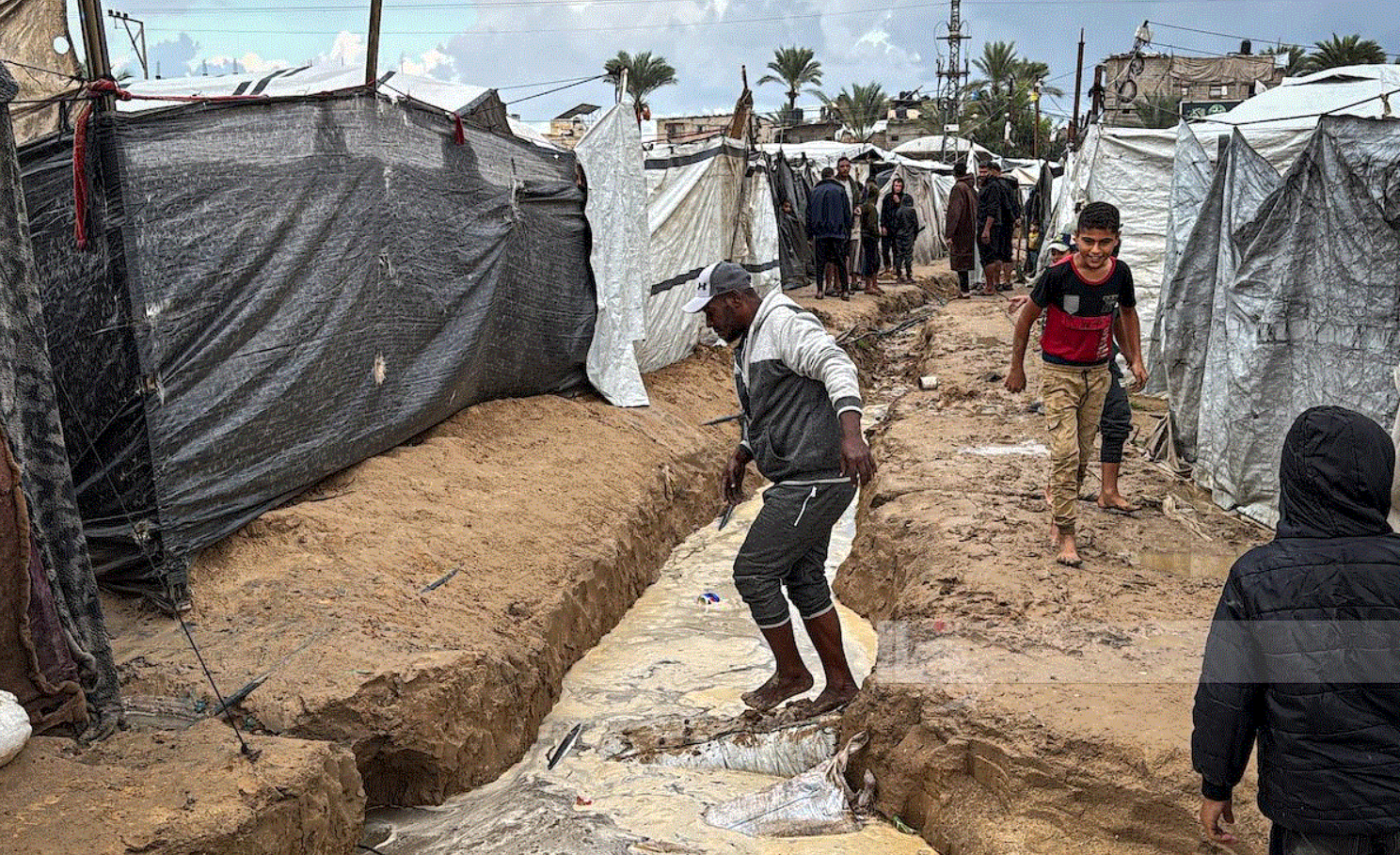
RAMALLAH, November 7, 2026 (WAFA) – Palestinian Health Minister Majed Abu Ramadan on Saturday issued an urgent appeal to the international community, the United Nations, and health, humanitarian and relief organizations to intervene immediately to save the lives of hundreds of thousands of displaced Palestinians in the Gaza Strip, as heavy rains flooded thousands of tents and worsening health and environmental conditions heightened the risk of disease outbreaks.
In a statement, Abu Ramadan warned that the flooding of displacement tents, the lack of safe shelter and the severe deterioration of health and sanitation conditions were exposing vulnerable populations to growing health risks, particularly as winter is only beginning.
He said the crisis was compounded by widespread destruction of infrastructure and water and sewage networks, mounting waste, shortages of clean water and hygiene supplies, overcrowding in displacement centers, malnutrition and limited access to essential healthcare.
The minister warned that continued exposure to cold and damp conditions inside damaged tents, coupled with poor ventilation and overcrowding, was increasing the risk of respiratory infections, including influenza and pneumonia, particularly among children, infants, older people and patients.
He also cautioned that accumulated waste, sewage contamination and inadequate sanitation and pest-control services were creating conditions conducive to the spread of rodents and insects, increasing the risk of water and food contamination and infectious diseases.
Abu Ramadan further stressed that malnutrition and food insecurity were weakening people's ability to fight infections, particularly among children and pregnant and breastfeeding women, while repeated illnesses were worsening nutritional and health conditions.
He noted that repeated displacement, the loss of shelter and essential supplies, and disruptions to treatment and regular healthcare were further aggravating the suffering of displaced families, particularly those with chronic illnesses and special medical needs.
The minister warned that Gaza's already severely depleted healthcare system, following damage to medical facilities and shortages of medicines, medical supplies, fuel and healthcare personnel, had limited capacity to respond to rising needs and potential disease outbreaks.
He described the flooding caused by the first waves of winter rain as a serious warning, cautioning that worsening cold weather and further storms could deepen the humanitarian and health crisis and push displaced families beyond their capacity to cope.
Abu Ramadan renewed his call for urgent international action to provide safe temporary shelters and tents resistant to rain and wind, insulation materials, heating supplies, blankets and winter clothing. He also called for clean drinking water, hygiene supplies, waste removal, pest control, repairs to sewage networks and improved rainwater drainage.
"What is happening in Gaza is not a passing winter crisis, but an escalating threat to public health and people's lives that requires immediate international action commensurate with the scale of the catastrophe," Abu Ramadan said.
He warned that displaced families who had lost their homes and basic necessities must not be left exposed to cold, disease and pollution without protection, stressing that urgent measures must be taken before further preventable deaths or disease outbreaks occur.
He emphasized that addressing the crisis required a comprehensive humanitarian, health and environmental response, warning that any delay would place additional pressure on an already exhausted healthcare system and put more lives at risk.
M.N