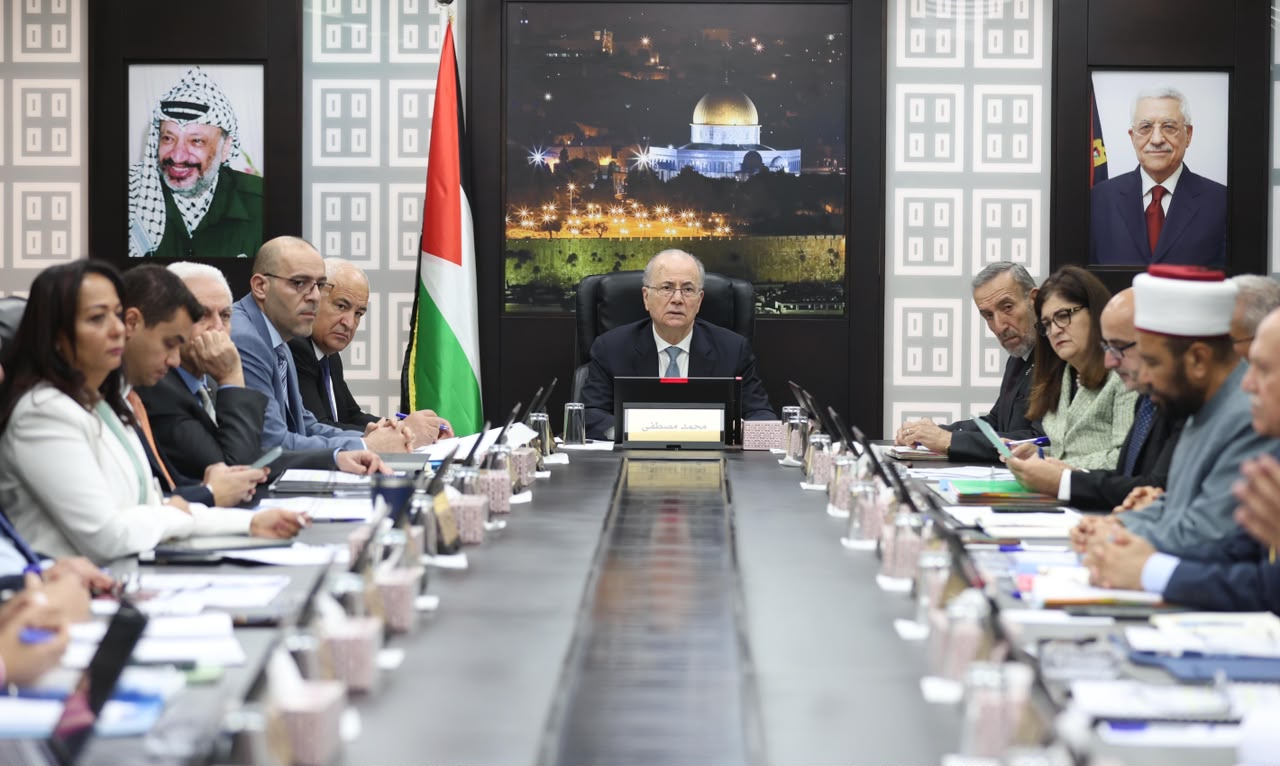
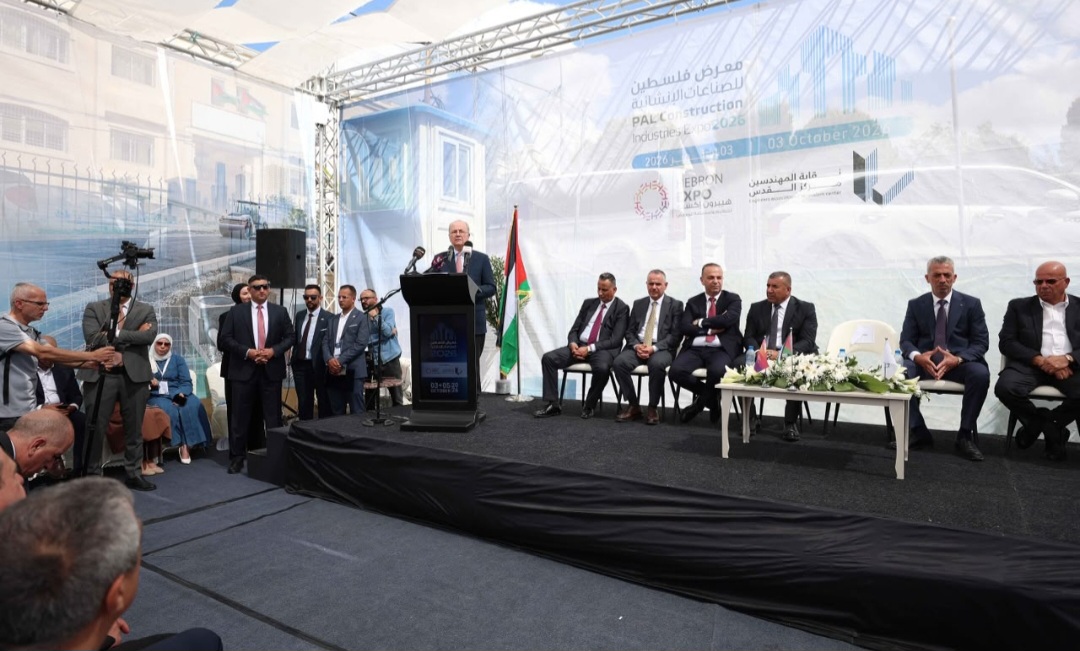
RAMALLAH, September 15, 2026 (WAFA) — The Palestinian Cabinet welcomed on Tuesday the practical steps recently taken by a number of European countries to confront the Israeli annexation and colonial settlement enterprise, as well as the continued escalation of crimes committed by the Israeli occupation and its colonial settlers.
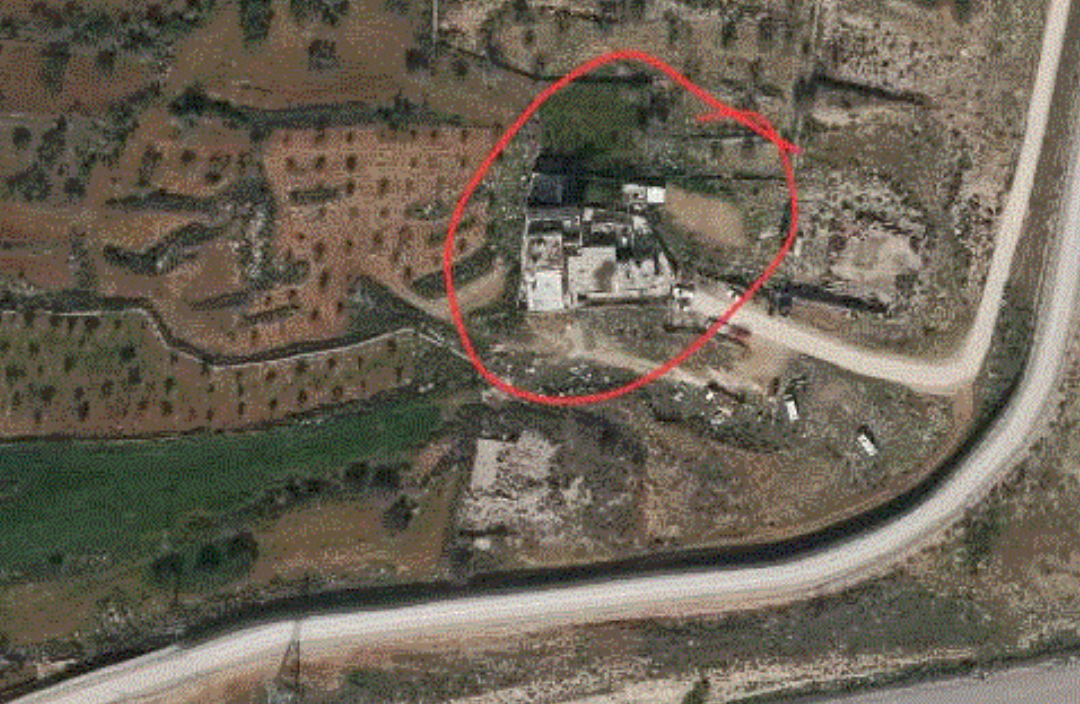
These included 440 attacks and the demolition of approximately 70 Palestinian structures in the past week alone. The Cabinet stressed the need for further effective and collective international action to halt the occupation’s crimes and launch a serious political process to end the occupation, in accordance with relevant international legitimacy resolutions.
During its weekly session in Ramallah, the Cabinet underscored the importance of monitoring, documentation, and reports issued by various local and international institutions in documenting these crimes and violations. Among the latest was a report by the Israeli Information Center for Human Rights in the Occupied Territories (B’Tselem), which, based on thousands of testimonies and monitoring, concluded that the Israeli occupation is pursuing a systematic project aimed at dismantling and eliminating Palestinian collective life in the West Bank, effectively undermining the very existence of the Palestinian people. The report documented a pattern encompassing violence and intimidation; restrictions on movement; economic strangulation; the destruction of social and political life; home demolitions and infrastructure destruction; and ethnic cleansing and territorial takeover through dispossession, land seizure and colonial settlement expansion, forced displacement, and expulsion. The cumulative impact of these policies has caused extensive damage across vital sectors, particularly education and health.
According to a statement issued by the Government Communication Center, the Cabinet also discussed the findings of the OECD Programme for International Student Assessment (PISA) 2025, which reported unsatisfactory results regarding students’ performance in science and mathematics, and, to some extent, reading. In this regard, the Cabinet decided to examine the findings from all relevant aspects, review the weaknesses identified in the assessment, and take the necessary measures to address these challenges, improve the quality of education, and strengthen its outcomes, in coordination with all relevant authorities.
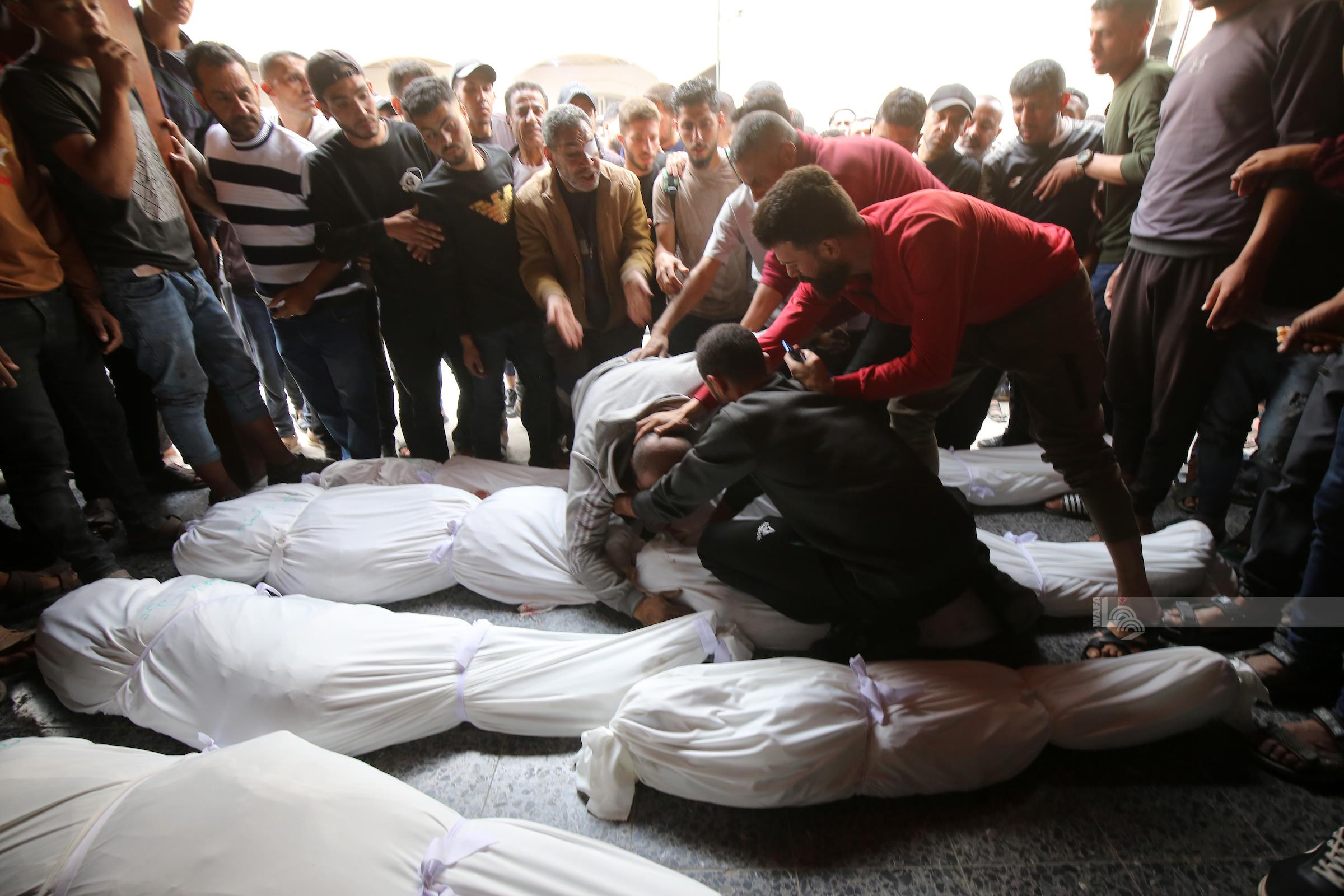
In a separate development, the Cabinet warned of the dangers of the Israeli occupation’s continued aggression on the Gaza Strip and its efforts to push its population deeper into humanitarian catastrophe through continued starvation and siege, amid the rapidly deteriorating living and health conditions and the destruction of essential life-sustaining infrastructure, particularly sewage networks. This is further aggravating the spread of diseases and epidemics.
The Cabinet also approved the recommendations of the National Food Safety Team, including the National Food Safety Strategy 2026–2030 and mechanisms to strengthen food safety oversight and ensure compliance with quality and food safety standards.
It further approved the renewal of contracts for 10 veterinarians employed under temporary contracts to support national programmes for the prevention and control of animal diseases, particularly the national vaccination campaign against foot-and-mouth disease, and to complete livestock identification and tagging operations.
The Cabinet also approved a joint work agreement with UNICEF for a project aimed at strengthening social protection for economically disadvantaged and vulnerable groups and low-income households, particularly in the areas of health, psychological, and social support.
In addition, the Cabinet received a briefing from the Minister of National Economy on the governance framework for the quota system as part of the Government’s broader reform process. The framework is intended to prevent the system from being exploited for profit-making purposes and ensure that its benefits translate into lower prices for eligible commodities. It also introduces procedures to verify beneficiaries’ compliance with approved criteria for quota permits, including ensuring fair distribution and expanding the pool of beneficiaries.
K.T