Commends UN reports warning of famine in Gaza as a grave humanitarian crime requiring urgent international action
Approves annual government complaints report and directs strengthening of complaints units across public institutions
Ratifies the settlement of water and electricity debts owed by several local government units
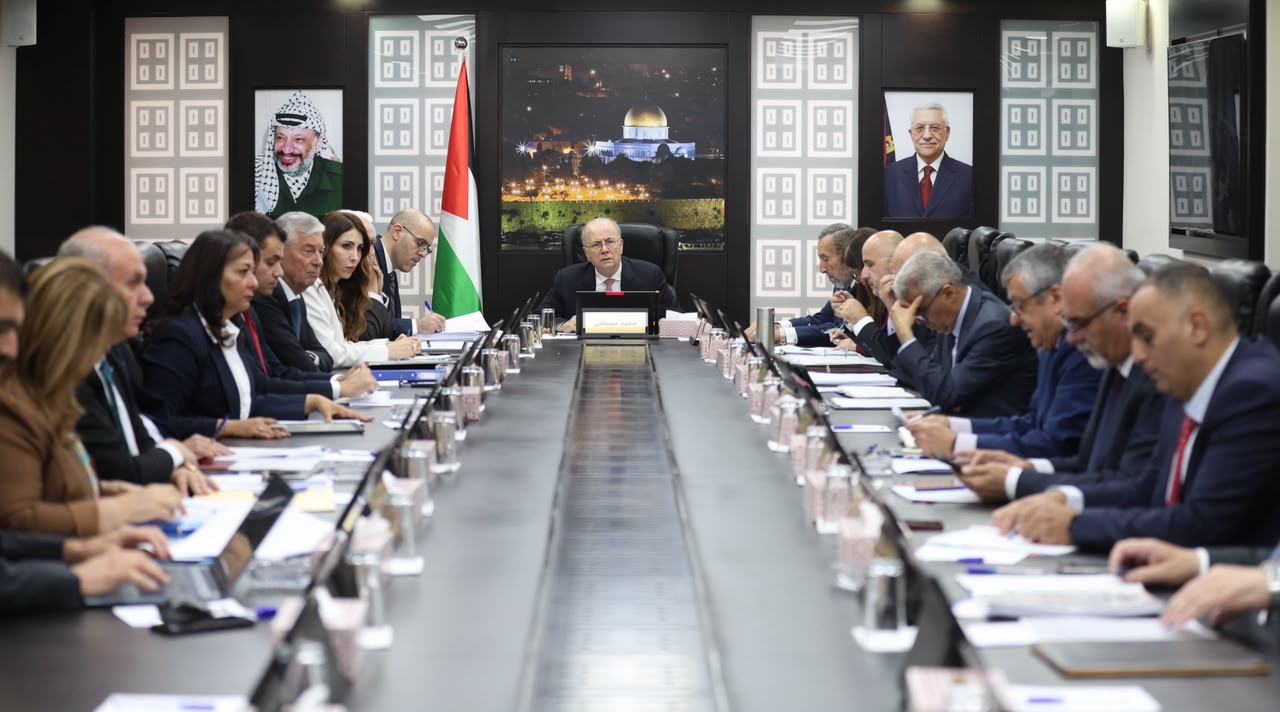
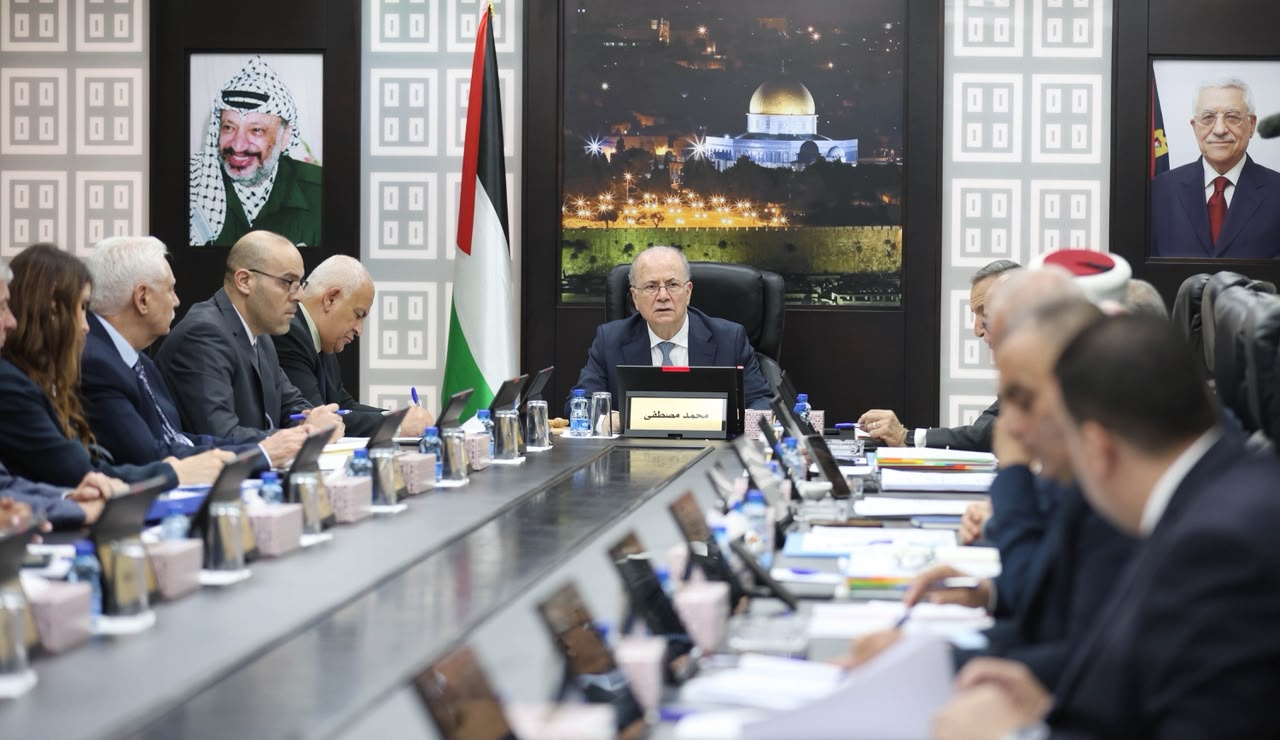
RAMALLAH, July 28, 2026 (WAFA) —The Cabinet, on Tuesday, stressed the grave escalation of attacks carried out by Israeli settler militias across the occupied West Bank under the protection of Israeli occupation forces. These attacks have resulted in the killing of unarmed Palestinian civilians, as well as widespread destruction and arson targeting private property and mosques.
According to data from the Colonization and Wall Resistance Commission, 225 settler attacks and 152 incursions into Palestinian cities and villages were recorded within a single week. The Cabinet warned that the continuation of these aggressive policies and the impunity afforded to settler terrorism will further inflame the situation, with those enabling such terrorism bearing responsibility for the consequences.
The Cabinet also commended the efforts of international organizations that continue to provide humanitarian assistance to the Palestinian people in the Gaza Strip in coordination with government institutions.
It further welcomed the growing international advocacy highlighting the severity of hunger and food insecurity in Gaza as a grave humanitarian crime requiring immediate international action. Approximately 1.4 million Palestinians are facing acute levels of food insecurity, while an estimated 74,000 children require treatment for severe acute malnutrition and 25,000 pregnant and breastfeeding women are in urgent need of nutritional support. These conditions are exacerbated by Israeli occupation restrictions on the entry of humanitarian aid, persistent funding shortfalls, and the continued deterioration of the humanitarian situation.
The Cabinet also recommended to His Excellency the President the draft Right to Access Information Law, recognizing it as one of the long-awaited pieces of legislation that reflects the Government's commitment to strengthening governance, transparency, and good public administration. The draft law follows months of preparation and review, as well as dozens of consultation sessions involving governmental institutions, civil society organizations, and relevant stakeholders. The process was led and coordinated by the Anti-Corruption Commission and the Ministry of Justice, with broad participation from concerned institutions.
The draft law establishes that access to and dissemination of information shall be the general principle, while restrictions on disclosure shall remain limited and explicitly defined by law. Once enacted, the legislation will require public authorities to cooperate by designating one or more responsible officials, as needed, to process and provide requested information within the legal timeframes and in accordance with the provisions of the law.
In another decision, the Cabinet approved the 2025 Annual Government Complaints Report, which presents detailed statistical data on complaints submitted regarding public services across various sectors, the outcomes of complaint handling, and the performance of complaints units within government institutions under the supervision of the General Directorate of Complaints at the Cabinet. Approximately 93% of complaints falling within the relevant authorities' mandates have been addressed, while work continues to resolve the remaining cases. In this regard, the Cabinet directed all government institutions to strengthen the role of their complaints units and accelerate procedures for responding to citizens' complaints.
The Cabinet also approved the formal settlement of outstanding electricity and water debts owed by several local government units in a manner that safeguards the rights of all parties. This forms part of the Government's broader efforts to finalize long-standing financial settlement files, strengthen the governance of municipalities and village councils, improve their institutional ratings and operational efficiency, and enhance their eligibility for infrastructure projects and increased development support.
Additionally, the Cabinet approved an agreement between the Ministry of Social Development and the United Nations Population Fund (UNFPA) aimed at strengthening the social protection system for vulnerable groups through the implementation of care, counselling, and support programmes.
T.R.